
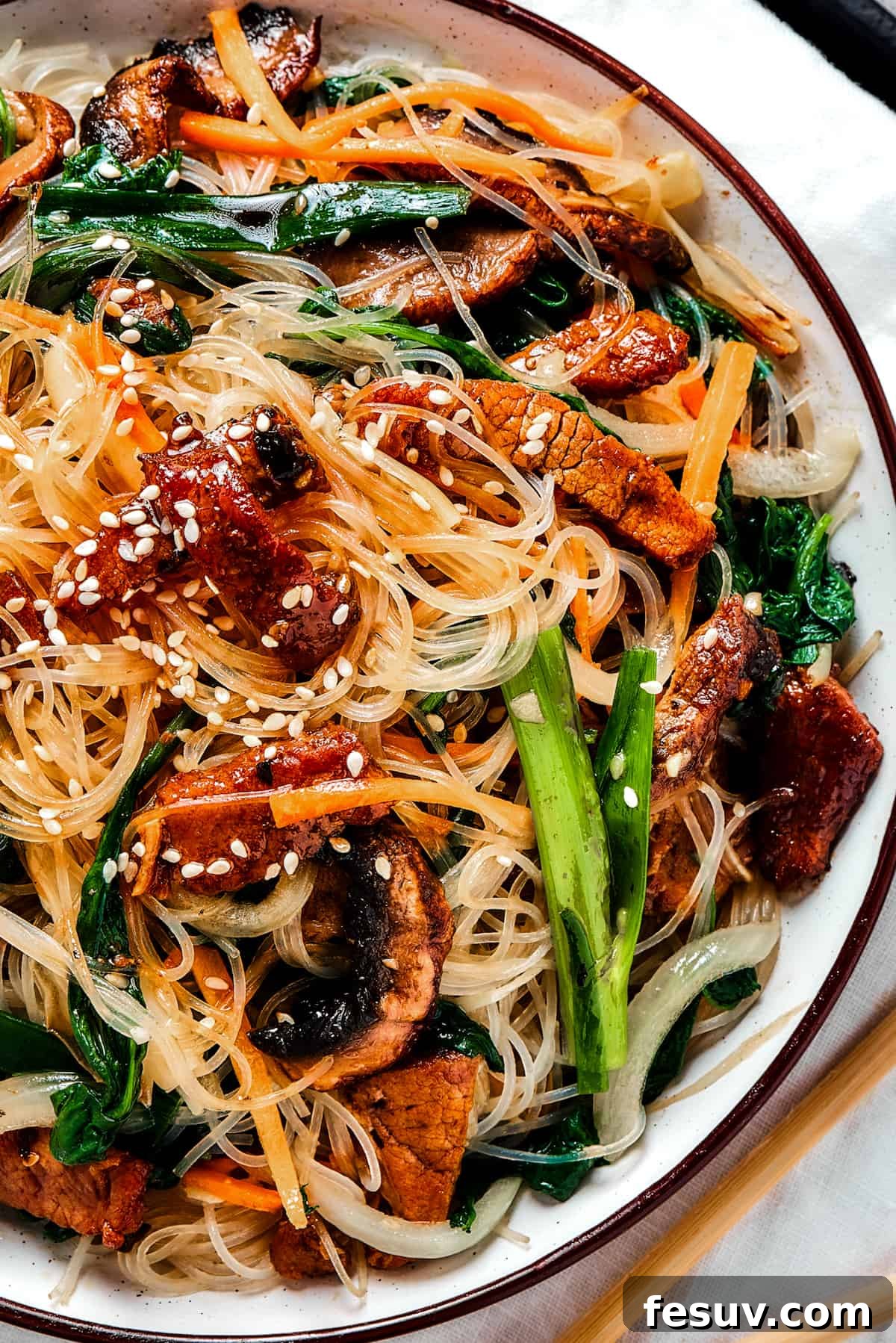
Beef Stir Fry with Glass Noodles (Japchae): A Flavorful Korean Classic
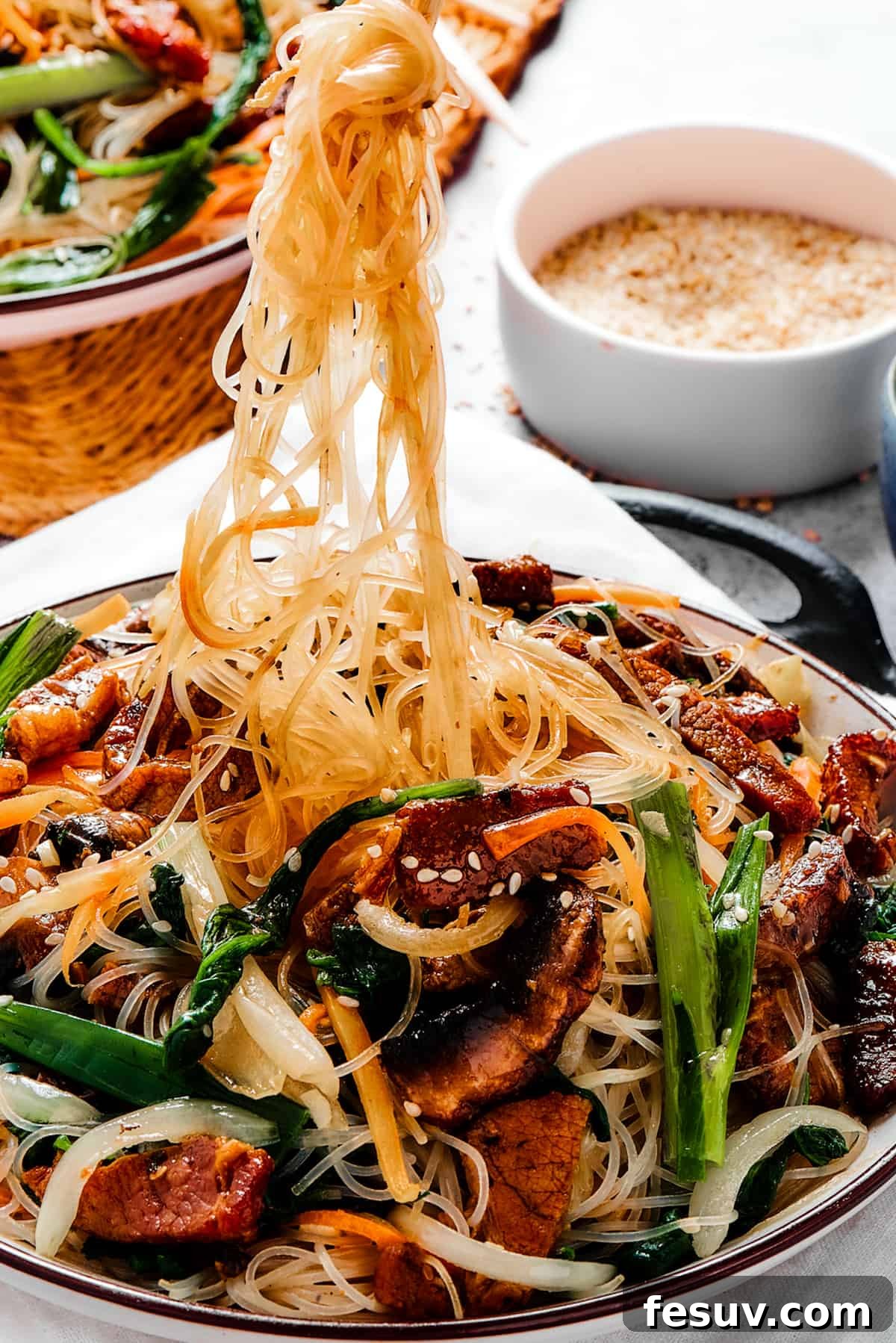
Embark on a culinary journey to Korea with this exquisite Beef Stir Fry with Glass Noodles, famously known as Japchae. This beloved classic features tender strips of steak, an array of vibrant vegetables, and addictively chewy glass noodles, all coated in a mesmerizing sweet-and-savory sauce. Often gracing celebratory tables and family dinners alike, Japchae is a testament to Korean cuisine’s rich flavors and textures, and it’s surprisingly straightforward to prepare at home with just a few key ingredients for its signature sauce.
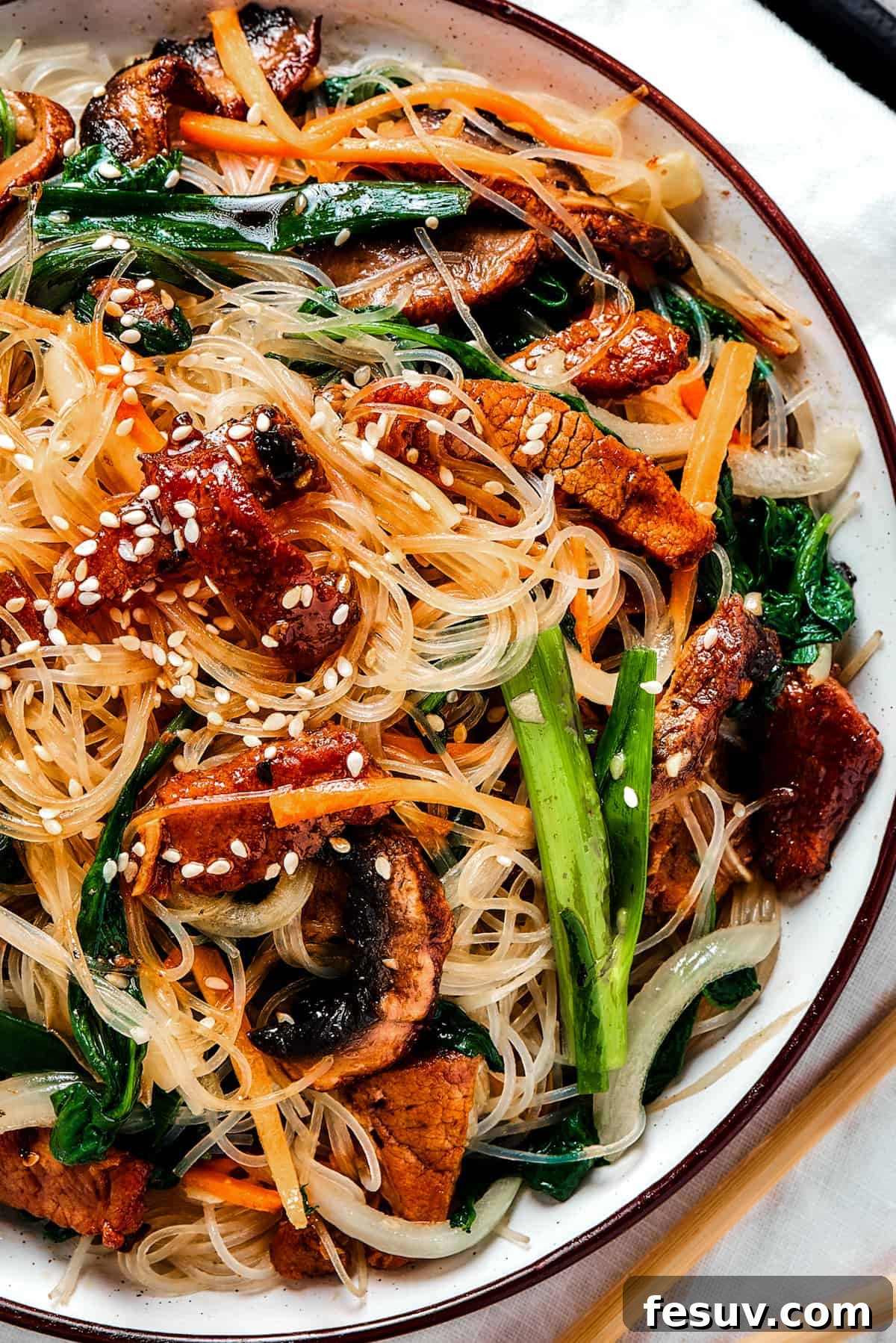
Discover Japchae: The Quintessential Korean Noodle Dish
Japchae (잡채) transcends a mere dish; it’s a cultural icon in Korea. From grand holiday feasts like Chuseok and Lunar New Year to casual family gatherings and simple weeknight meals, its presence is always welcomed. This stir-fried noodle dish is celebrated for its harmonious blend of flavors and diverse textures, making every bite a delightful experience. Once you taste its intricate balance of savory beef, crisp vegetables, and springy noodles, all brought together by a rich, glossy sauce, you’ll understand why it holds such a special place in Korean hearts.
The Allure of Korean Glass Noodles
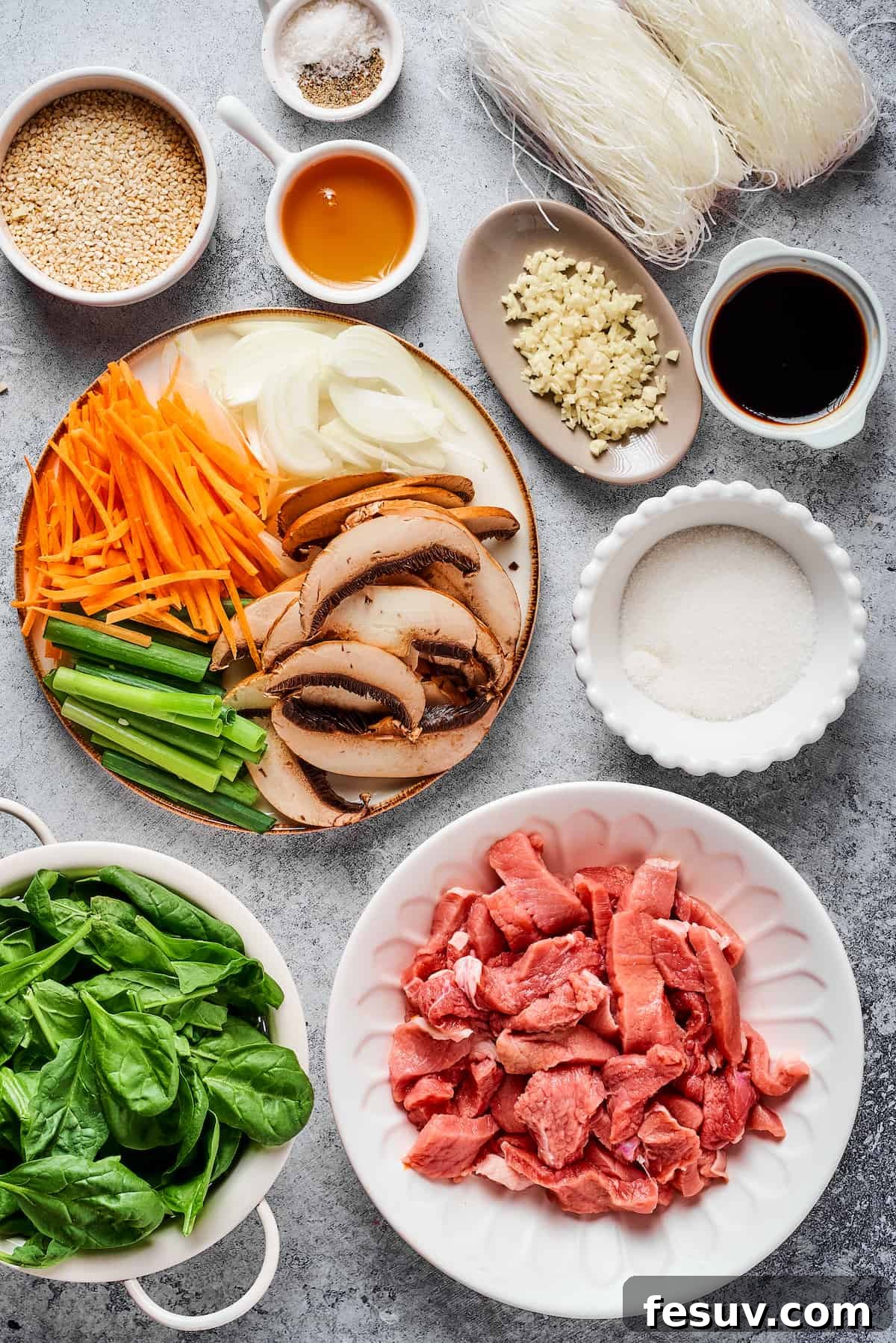
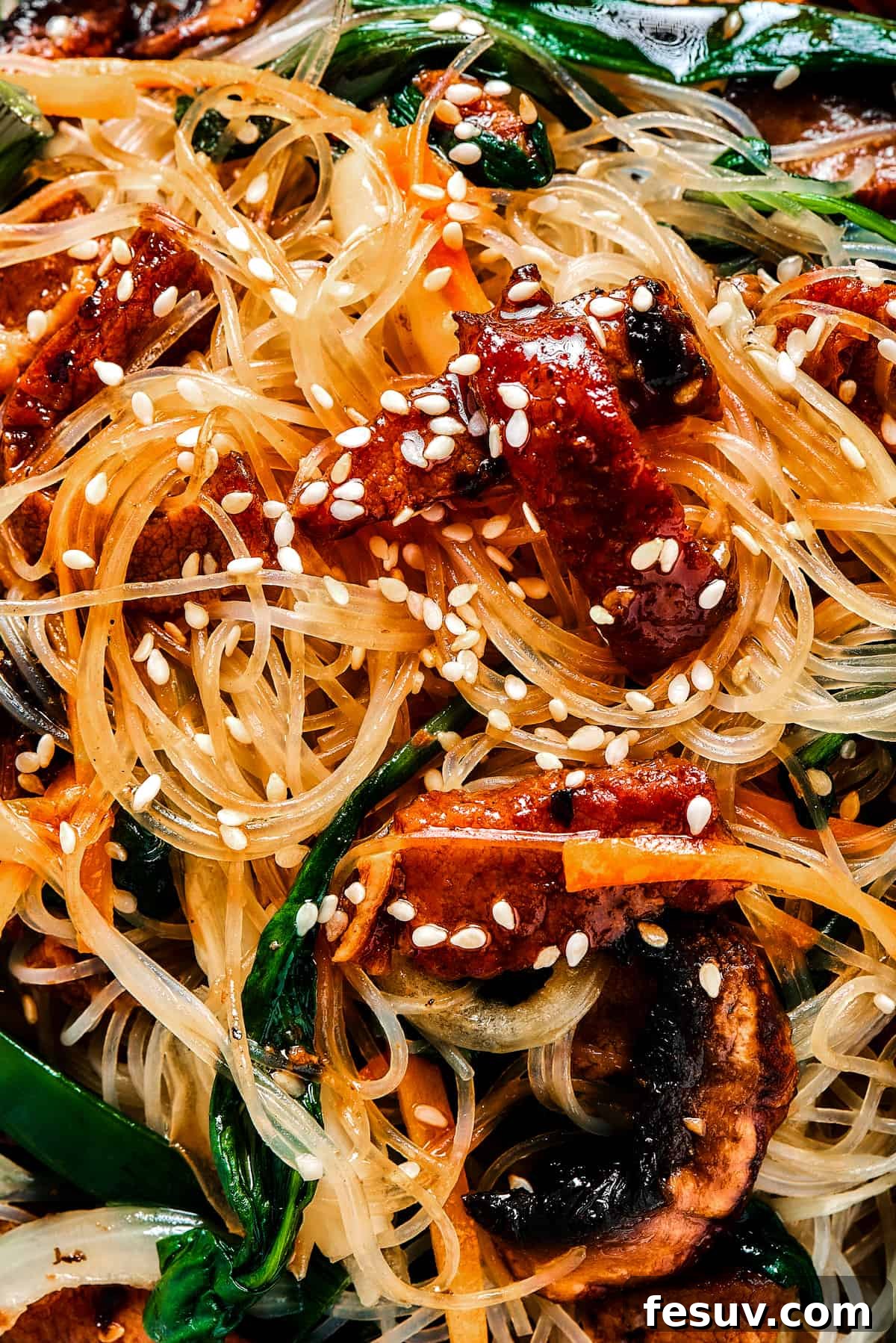
At the heart of Japchae are its distinctive glass noodles, or dangmyeon. These translucent, thin, and remarkably springy noodles are typically made from sweet potato starch, giving them a unique chewy texture that sets them apart from wheat or rice noodles. Their mild flavor makes them an ideal canvas for absorbing the rich sweet-and-savory sauce, ensuring every strand is infused with deliciousness. If you’re new to cooking with glass noodles, prepare to be captivated by their unique mouthfeel and versatility.
The Perfect Balance: Our Signature Sweet-and-Savory Sauce
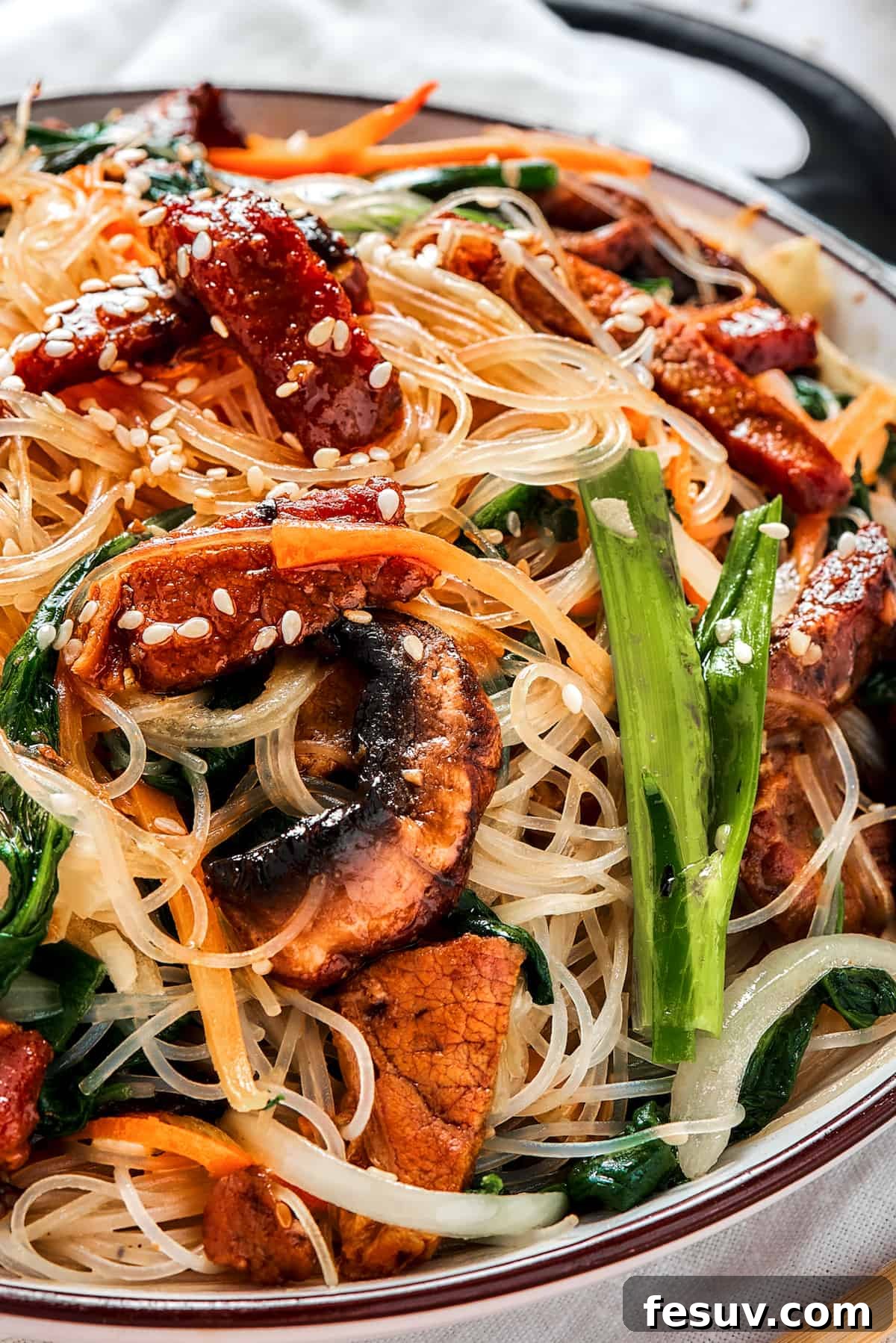
What truly elevates Japchae is its simple yet profound sauce. Crafted from just five essential ingredients, this sauce achieves a perfect equilibrium of salty, savory umami, and delicate sweetness. It enhances the natural flavors of each component—from the tender beef to every crisp vegetable—without overpowering them. The result is a glistening, deeply flavored dish with an irresistible sesame-soy aroma that promises a truly authentic Korean taste experience.
Succulent Beef: The Heart of the Stir Fry
Our Japchae recipe features thinly sliced, high-quality beef, making it a substantial and satisfying meal. While some traditional recipes might call for premium cuts like filet mignon, we find that more accessible grilling steaks such as flank steak or sirloin steak work wonderfully. Sliced thinly against the grain, these cuts become incredibly tender when stir-fried, soaking up the marinade and adding a rich, meaty depth to the entire dish. The beef isn’t just a component; it’s a star that contributes significantly to the dish’s robust flavor profile.
A Symphony of Vegetables
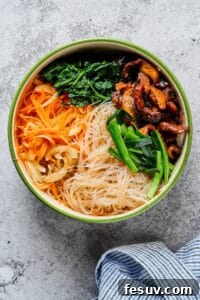
Beyond the noodles and beef, Japchae is a vibrant medley of colorful vegetables. Carrots provide a touch of sweetness and crunch, onions add aromatic depth, while mushrooms contribute an earthy umami. Fresh spinach brings a subtle bitterness and bright color, and green onions offer a fresh, pungent finish. Each vegetable is briefly cooked to retain its texture and individual flavor, ensuring a dynamic and visually appealing dish that’s packed with nutrients.
Health Benefits and Dietary Notes on Glass Noodles
For those mindful of their diet, glass noodles often spark questions about their nutritional value. Interestingly, Korean sweet potato starch noodles are quite similar to traditional wheat pasta in terms of macronutrients. They typically offer a comparable amount of carbohydrates but might have slightly fewer overall calories, though this difference is often not substantial enough to make them a “diet food.” However, they offer a fantastic alternative for those seeking a unique texture and flavor profile distinct from ordinary pasta dishes.
A significant benefit of glass noodles is that they are naturally gluten-free, as they are derived from sweet potato starch, not wheat. This makes Japchae an excellent option for individuals with gluten sensitivities or those following a gluten-free diet. Always double-check the ingredient list on your glass noodle package to ensure there are no hidden gluten-containing additives, as formulations can vary by brand.
If you’re aiming for a low-carb diet, it’s important to note that glass noodles are not low in carbohydrates. They are primarily composed of starch. In such cases, this dish should be enjoyed in moderation, or the noodles can be substituted with low-carb alternatives like zucchini noodles, shirataki noodles, or spiralized root vegetables to fit your dietary needs. For everyone else, they are a delicious and wholesome component of a balanced meal.
Essential Ingredients for Authentic Japchae
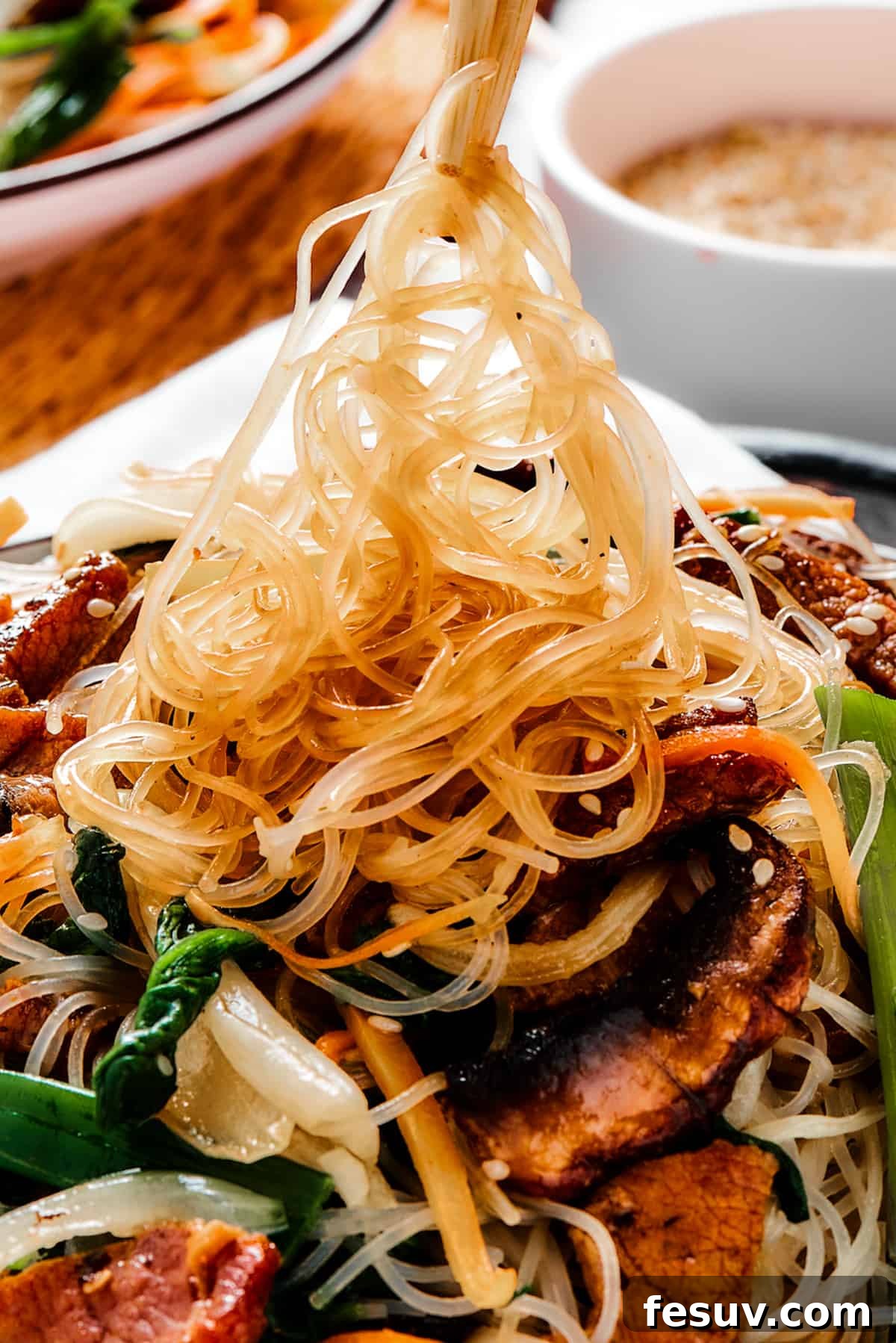
While Japchae might appear to be a complex dish due to its numerous components, the ingredient list is surprisingly straightforward. The beauty lies in the quality and preparation of each simple item, especially for the sweet-and-savory sauce, which requires only five basic items to unlock its full potential.
For the Irresistible Stir Fry
- Glass Noodles: For an authentic Japchae, seek out Korean sweet potato starch noodles. These are the key to the dish’s signature chewy texture and translucent appearance. While other glass noodles exist (like mung bean), sweet potato ones are traditional for Japchae.
- Beef: You’ll need about one pound of quality grilling steak. Flank steak, sirloin, or even ribeye are excellent choices. Ensure it’s thinly sliced against the grain to guarantee tenderness.
- Carrots: Two medium carrots, julienned into matchsticks, or pre-cut matchstick carrots for convenience, add a touch of sweetness and color.
- Onion: One small yellow onion, thinly sliced, provides aromatic depth that mellows beautifully during cooking.
- Mushrooms: About 4-5 fresh portobello mushrooms, thinly sliced, contribute an earthy flavor and meaty texture. Shiitake or oyster mushrooms are also fantastic alternatives.
- Spinach: Two cups of baby spinach are ideal as the leaves are small and require minimal prep. If using regular spinach, remember to tear or chop the leaves into bite-sized pieces.
- Green Onions: Two green onions, with roots removed and withered tips trimmed, chopped into bite-sized segments, add a fresh, pungent kick and vibrant color.
- Olive Oil: Or any neutral, high smoke point oil suitable for stir-frying, such as peanut oil, vegetable oil, or avocado oil. You’ll need about 3 tablespoons, divided.
- Salt and Pepper: Essential for seasoning each component to taste throughout the cooking process.
Crafting the Flavorful Seasoning
The magic of Japchae lies in its perfectly balanced sauce. Here’s what you’ll need for this simple, five-ingredient seasoning blend:
- Low Sodium Soy Sauce: Six tablespoons form the savory base. Tamari can be used for a gluten-free option, or coconut aminos for a soy-free alternative.
- Sesame Oil: Four tablespoons of toasted sesame oil impart a rich, nutty aroma and flavor that is quintessential to Korean cuisine. Look for it in the international foods aisle.
- Sugar: Three tablespoons of granulated sugar provide the necessary sweetness to balance the savory notes, creating that irresistible sweet-and-savory profile.
- Garlic: Three cloves of fresh garlic, minced or pressed, add a pungent, aromatic punch. Fresh garlic makes all the difference!
- Toasted Sesame Seeds: A generous sprinkle is incorporated into the seasoning mixture and reserved for garnish, adding a pleasant textural crunch and nutty finish.
Step-by-Step Guide: How to Master Beef Japchae
Creating this flavorful Korean glass noodle stir fry might seem daunting at first glance due to the separate cooking of ingredients, but with a bit of organization, it’s a very rewarding process. Reading through the recipe entirely before you begin will help familiarize you with the flow and ensure a smooth cooking experience. This recipe yields approximately 6 servings, with a prep time of 30 minutes and a cook time of 40 minutes, totaling about 1 hour and 10 minutes.
Preparing Your Ingredients for Success
- Prepare the Seasoning: In a small bowl, thoroughly whisk together all the seasoning ingredients: low sodium soy sauce, sesame oil, sugar, minced garlic, and a portion of the toasted sesame seeds. This will be your flavor powerhouse.
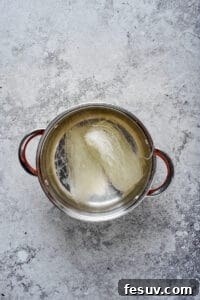
- Cook the Glass Noodles: Bring a large pot of generously salted water to a rolling boil. Once boiling, remove it from the heat. Submerge the dried Korean potato starch noodles into the hot water. Allow them to soak for 7 to 8 minutes, or precisely follow the package directions for your specific brand. Drain the noodles immediately and rinse them under cold water to stop the cooking process and prevent sticking. Set them aside in a large bowl.
- Marinate the Beef: Place your bite-sized beef pieces in a separate small bowl. Add about 3 tablespoons of your prepared seasoning mixture to the beef and toss well to ensure every piece is coated. Set aside to marinate while you prepare other components.
- Season the Noodles: To the drained and rinsed glass noodles, add 2 more tablespoons of the seasoning mixture. Gently toss the noodles until they are evenly coated and glistening with the sauce. This pre-seasoning step is crucial for deeply flavored noodles. Set aside.
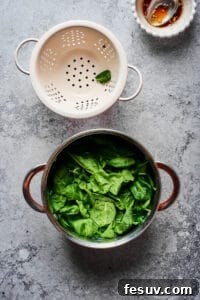
- Blanch the Spinach: Bring a small amount of water to a boil in a saucepan. Add the baby spinach (or bite-sized regular spinach) along with a pinch of salt. Lightly blanch for approximately 30 seconds, pressing the spinach down as it wilts. Immediately drain the spinach and rinse under cold running water to preserve its vibrant green color and nutritional value. Squeeze out any excess water thoroughly and set aside.
The Art of Stir-Frying
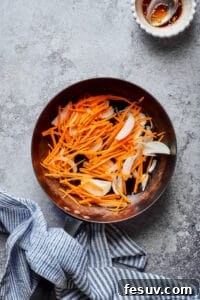
- Sauté the Aromatics and Carrots: Heat 1 tablespoon of vegetable oil in a large skillet or wok over medium heat. Add the thinly sliced onions, matchstick carrots, and green onions. Add a couple of pinches of salt. Stir-fry for about 2 to 3 minutes, or until the vegetables are fragrant and slightly softened but still retain a pleasant crispness. Transfer these aromatic vegetables to a clean plate and set aside.
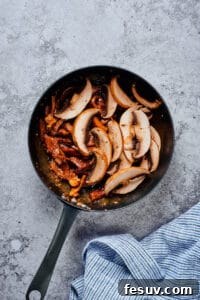
- Cook the Beef and Mushrooms: Pour another tablespoon of vegetable oil into the same skillet and increase the heat to medium-high. Add the marinated beef chunks in a single layer, ensuring not to overcrowd the pan. Stir-fry for about 4 to 5 minutes, or until the beef is fully cooked through and beautifully browned. Next, add the thinly sliced mushrooms to the skillet with the beef. Cover the skillet and allow them to cook for about 3 minutes, or until the mushrooms are tender and have released their moisture.
Bringing it All Together
- Combine with Noodles and Remaining Seasoning: Into the skillet with the beef and mushrooms, pour in the pre-seasoned glass noodles and the remaining seasoning mixture. Using tongs or two spatulas, stir and toss everything vigorously to ensure the noodles are thoroughly coated with the sauce and mixed with the other ingredients. The noodles will readily absorb the sauce, becoming even more flavorful and glossy. Once the sauce is evenly absorbed, remove the skillet from the heat. Transfer the entire mixture into a large, clean mixing bowl.
- Integrate Vegetables and Adjust Seasoning: Add the blanched spinach, sautéed carrots, and onions to the large mixing bowl. Season with additional salt and freshly ground black pepper to taste. Gently toss the mixture until all ingredients are well combined and distributed. This step is sometimes easiest to do with clean hands, ensuring everything is thoroughly mixed, provided the dish isn’t too hot. Taste and adjust seasoning as necessary.
- Garnish and Serve: Garnish your freshly made Japchae with an extra sprinkle of toasted sesame seeds. For an even richer flavor, a final drizzle of sesame oil or an extra dash of soy sauce can be added if desired. Serve the Japchae warm immediately for the best experience, or allow it to cool and serve chilled as a refreshing side dish. Enjoy this authentic taste of Korea!
Pro Tips for a Perfect Japchae
Making Japchae can be a delightful culinary adventure, but because several components are cooked separately before being combined, a little planning goes a long way. These helpful hints will ensure your cooking process is smooth and your dish turns out perfectly:
- Prep Everything Ahead of Time (Mise en Place): Japchae thrives on efficiency. Before you even turn on the stove, slice all your vegetables, cut your beef, mince your garlic, and measure out all your sauce ingredients. Having everything ready in separate bowls will make the stir-frying process quick and seamless, as stir-fries cook very fast.
- Multi-task Cooking of Spinach and Noodles: To save time, utilize your stovetop space. While you’re boiling water for the glass noodles, you can simultaneously blanch the spinach in another pot. Remember, they need to cook separately, but doing them at the same time is a huge time-saver. Ensure both are properly drained and rinsed before moving to the next steps.
- Invest in Quality Steak: The beef is a highlight of this dish. Choose a good quality flank steak, sirloin, or even a tender cut like ribeye. The key is to slice it very thinly and against the grain to ensure maximum tenderness. Gristle or tough cuts can detract from the overall enjoyment.
- Don’t Overcook the Vegetables: Each vegetable should retain a slight crispness and its vibrant color. Quick stir-frying is crucial here to prevent them from becoming soggy or losing their fresh flavor.
- Taste and Adjust: Before serving, always taste your Japchae. The balance of sweet and savory is personal. Don’t hesitate to add a little more soy sauce for saltiness, sugar for sweetness, or sesame oil for nuttiness, depending on your preference.
Serving Suggestions: What to Pair with Japchae
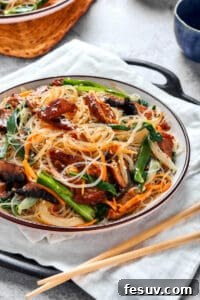
Japchae is a wonderfully complete dish on its own, easily enjoyed with just a pair of chopsticks (or a fork, if preferred!). However, if you’re planning a more elaborate meal or simply craving additional flavors, these side dishes complement the rich taste of Japchae beautifully:
- Egg Drop Soup: A light, comforting, and remarkably easy-to-make classic, Egg Drop Soup serves as an excellent starter or a gentle palate cleanser alongside the savory stir fry. Its delicate flavors provide a beautiful contrast without overpowering the main dish.
- Potstickers: Who can resist the delightful crunch and savory filling of homemade dumplings? Easy Chicken Potstickers, bursting with cabbage, scallions, and other delicious ingredients, are a fun and scrumptious addition that makes any meal feel special.
- Spring Rolls: Another beloved takeout favorite, Golden Veggie Spring Rolls offer a crispy, crunchy texture and fresh vegetable filling. They are a craveable accompaniment that is sure to bring smiles to your dining table.
- Kimchi: For an authentic Korean dining experience, a side of traditional fermented kimchi is a must. Its spicy, tangy, and umami-rich flavor cuts through the richness of Japchae, offering a fantastic counterpoint.
- Steamed Rice: While Japchae is a noodle dish, a small serving of steamed white or brown rice can be a comforting addition, perfect for soaking up any extra sauce.
Storing and Reheating Your Leftovers
Japchae is undoubtedly best enjoyed fresh, when the noodles are perfectly springy and the vegetables retain their ideal texture. However, if you find yourself with delicious leftovers, they can be safely stored and savored later. Keep in mind that the texture of the glass noodles and some vegetables may become slightly softer after refrigeration and reheating.
- To Store: Allow the beef stir fry with glass noodles to cool completely to room temperature. Transfer the cooled dish into a clean, resealable bag or an airtight container. Refrigerate promptly for optimal freshness, and consume within two days. Proper cooling and sealing are key to maintaining quality.
- To Reheat: For best results, place the leftover Japchae in a lightly-oiled skillet over medium heat. Cover the skillet to help retain moisture and gently warm the dish. Stir occasionally to ensure even heating. Cook for a few minutes, just until the beef pieces and noodles are heated through. Be cautious not to overcook or stir too vigorously, as prolonged heating can cause the glass noodles to become overly soft or soggy, losing their desirable chewy texture.
Can You Freeze Japchae?
Yes, you can certainly freeze leftover Beef Stir Fry with Glass Noodles, making it a convenient option for meal prepping or enjoying later. While the dish will remain safe to eat after freezing and thawing, it’s worth noting that the texture of the vegetables and especially the glass noodles may become noticeably softer. They might lose some of their signature chewiness and become slightly mushy once thawed and reheated, but the flavor will still be delicious.
- To Freeze: Allow the Japchae to cool completely after cooking. Divide it into individual portions if desired, then place it in freezer-safe bags or airtight containers. Press out as much air as possible from the bags to prevent freezer burn. Label each container or bag with the date. Freeze for up to 2 months for best quality.
- To Thaw and Reheat: When ready to enjoy, thaw the frozen Japchae overnight in the refrigerator. Reheat gently on the stovetop over medium heat with a little oil, stirring occasionally until warmed through, or microwave in short bursts. Avoid aggressive reheating to minimize further changes to the noodle texture.
Nutritional information provided is an estimate and given as a courtesy. Values may vary according to the exact ingredients and brands used. Please consult your preferred nutritional calculator for more detailed and accurate information.
Frequently Asked Questions (FAQ) About Japchae
- What does Japchae taste like?
- Japchae offers a harmonious blend of sweet and savory flavors, with a distinct umami depth from soy sauce and garlic, and a nutty aroma from sesame oil. The glass noodles are wonderfully chewy, complemented by tender beef and crisp, fresh vegetables, creating a balanced and satisfying taste experience.
- Is Japchae served hot or cold?
- Japchae is most commonly served warm, straight from the wok, allowing the aromas and textures to be at their peak. However, it is also frequently enjoyed chilled or at room temperature, making it a popular dish for picnics and potlucks in Korea.
- Can I make Japchae vegetarian?
- Absolutely! To make a vegetarian Japchae, simply omit the beef. You can replace it with firm tofu (pressed and pan-fried until golden), tempeh, or additional mushrooms (like shiitake or king oyster mushrooms) to maintain a hearty texture and protein content.
- What kind of noodles are best for Japchae?
- The most authentic and traditional noodles for Japchae are “dangmyeon” or Korean sweet potato starch glass noodles. These noodles are known for their unique elasticity and translucent quality when cooked, which is essential for the dish’s signature texture. Avoid thin vermicelli-style rice noodles as they will not yield the same result.
- How do I prevent the noodles from sticking together?
- After cooking and rinsing the glass noodles in cold water, tossing them immediately with a tablespoon of sesame oil or part of the seasoning mixture will help prevent them from clumping together. This also adds an initial layer of flavor.
Explore More Delicious Stir Fry Recipes
If you loved this Beef Stir Fry with Glass Noodles, be sure to explore more of our easy and flavorful stir fry recipes that are perfect for any weeknight:
- Honey Balsamic Beef Stir Fry
- Szechuan Chicken
- Pad See Ew