
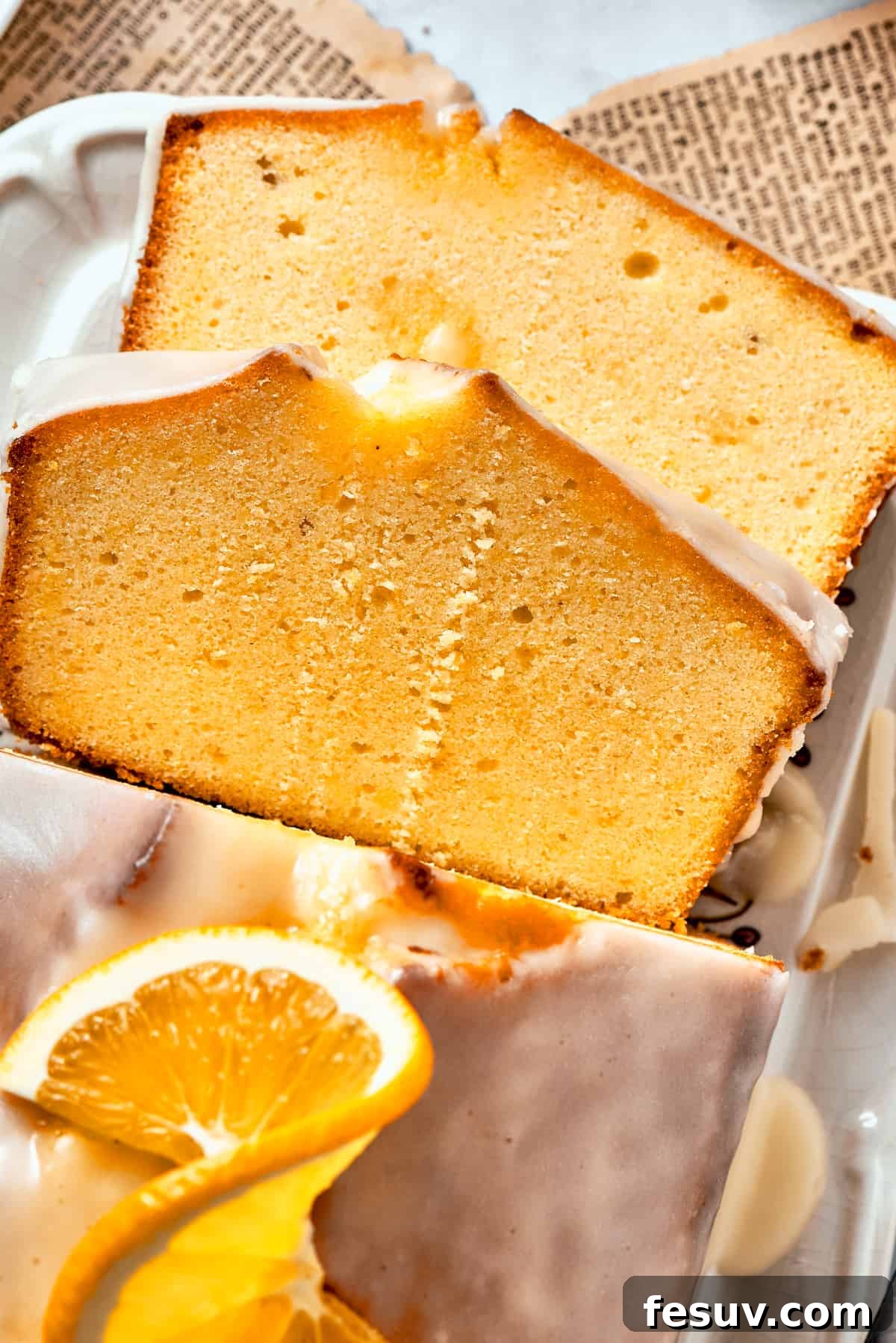
Prepare to be enchanted by the vibrant flavors of this **Ultimate Zesty Orange Loaf Cake**! This recipe delivers an incredible citrus punch, utilizing copious amounts of fresh orange zest, juice, and a hint of orange liqueur. The result is a wonderfully fragrant and dense loaf cake, crowned with a shimmering, sweet orange glaze that adds an extra layer of irresistible flavor and moisture. Perfect for any occasion, from a casual afternoon tea to an elegant dessert, this cake is guaranteed to become a cherished favorite.
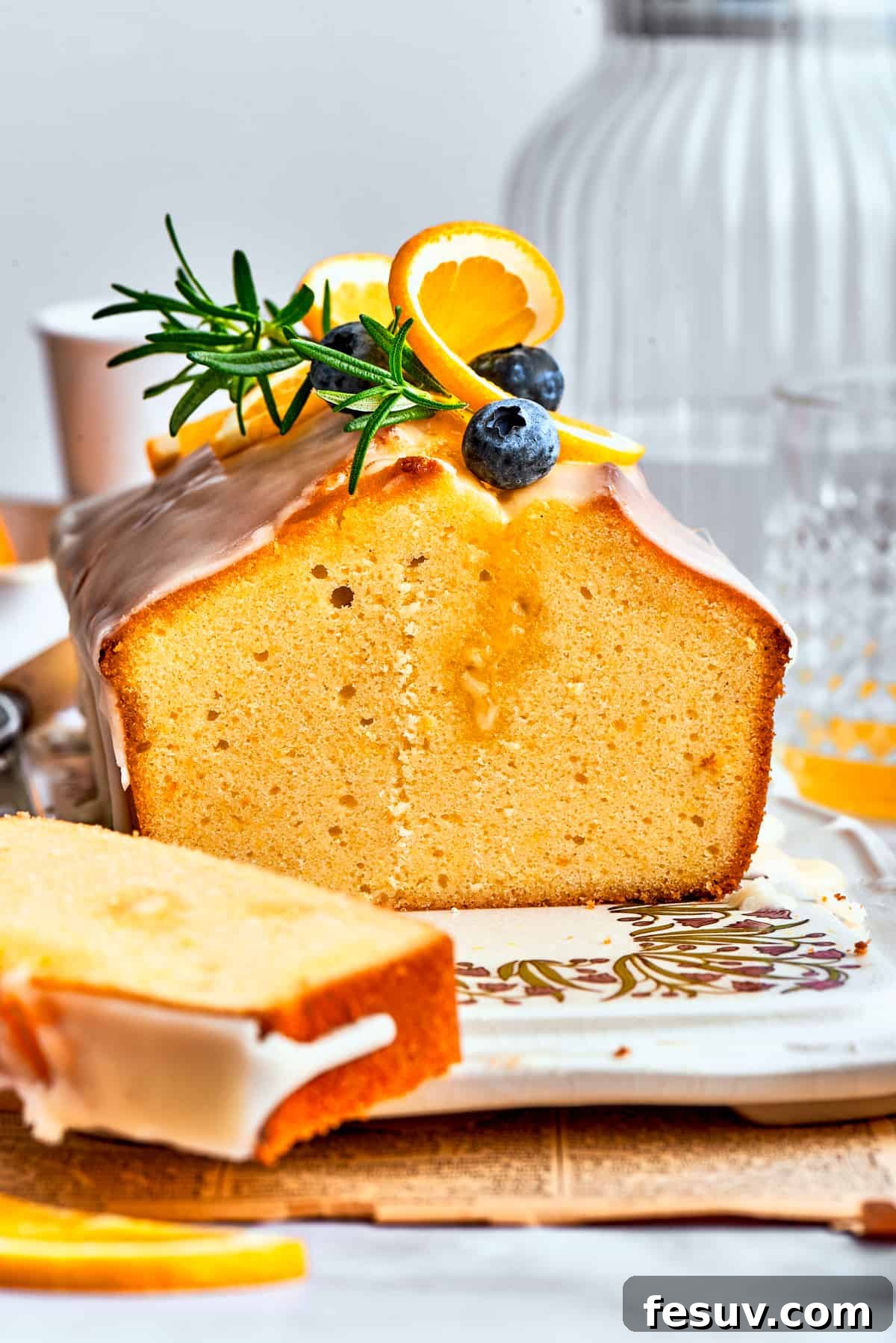
This orange-infused rendition of a classic pound cake is rich, decadent, and surprisingly simple to prepare. Its robust citrus profile makes it a standout treat, whether you dress it up with a dollop of fresh whipped cream and seasonal berries, or enjoy it plain with a steaming cup of tea or a frothy caffe macchiato. However you choose to savor it, this moist and flavorful orange loaf cake is always a delightful winner.
Why You’ll Adore This Zesty Orange Loaf Cake Recipe
There are countless reasons why this orange cake will earn a permanent spot in your recipe collection. From its vibrant flavor to its comforting texture, every aspect is designed for pure enjoyment.
- Effortless Preparation with Simple Ingredients: You’ll be pleased to find that many of the components required for this luscious cake are likely already in your pantry. This makes it an incredibly convenient recipe, especially during the peak winter citrus season when oranges are at their freshest and most flavorful. No need for exotic items, just everyday staples transformed into something extraordinary.
- Explosive Orange Flavor in Every Bite: This isn’t just a cake with a hint of orange; it’s a true celebration of citrus! We’ve meticulously layered orange flavor throughout the recipe, from the fragrant zest incorporated into the batter, to the sweet and tangy fresh orange juice, and a subtle depth provided by orange liqueur. The grand finale is a glorious orange glaze that ensures every mouthful is bursting with bright, sunny citrus notes.
- Unforgettable Velvety Texture: Beyond its incredible flavor, one of the most remarkable qualities of this cake is its exquisite texture. You’ll experience a supremely velvety, tender, and incredibly moist crumb with each slice. It’s substantial enough to feel satisfying yet light enough to be utterly delightful, making it incredibly difficult to resist reaching for a second piece!
- Elegance Meets Versatility: This orange loaf cake is as beautiful as it is delicious. Its golden hue and glistening glaze make it a visually appealing dessert that can grace any table. It’s versatile enough to be served simply as a snack, elevated for a brunch gathering, or presented as a sophisticated dessert after dinner.
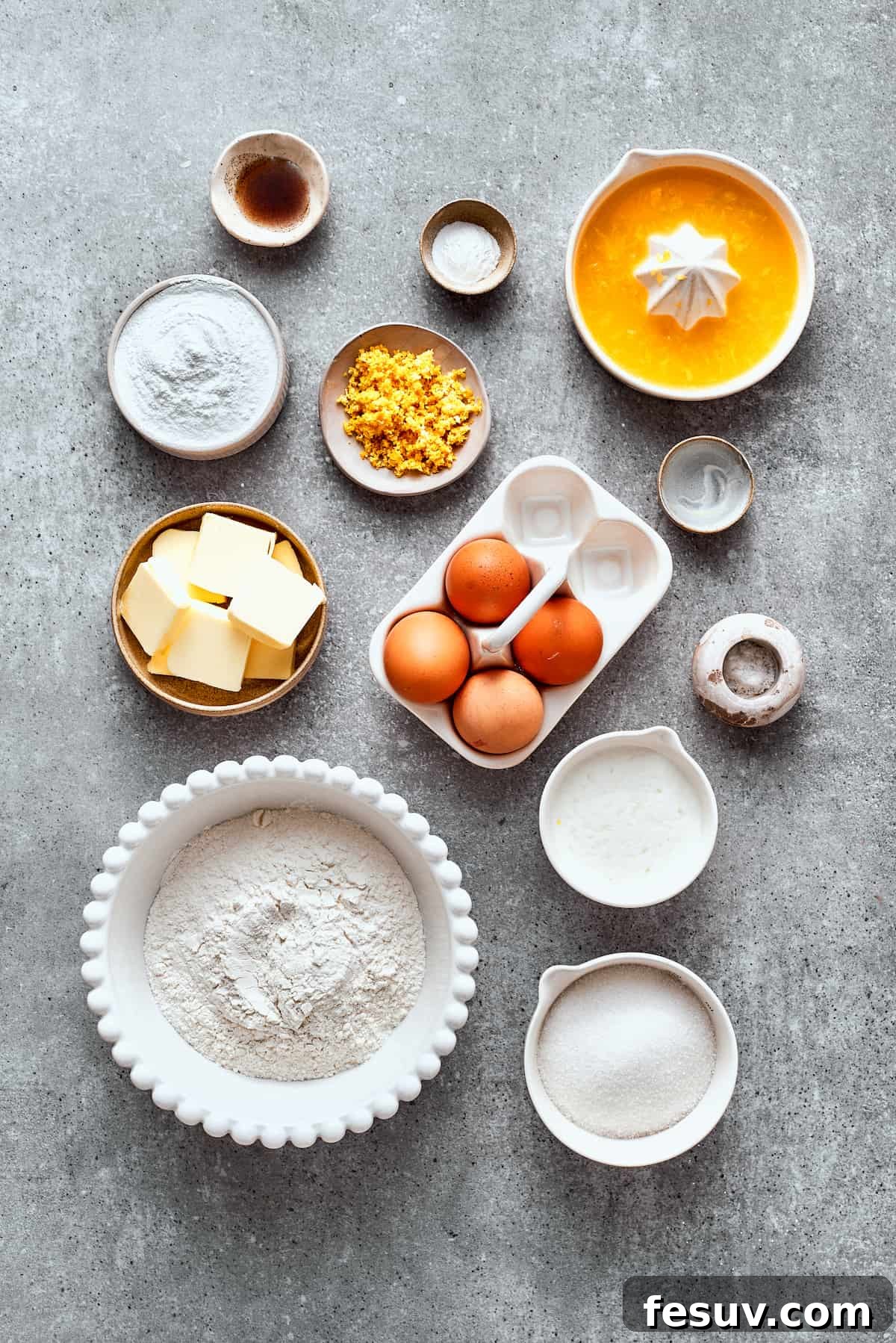
Essential Ingredients for Your Citrus Masterpiece
Gathering the right ingredients is the first step to baking a magnificent orange cake. Here’s a detailed look at what you’ll need and why each component is crucial:
- All-Purpose Flour: The foundational dry ingredient for our cake’s structure. For accurate measurement and a tender crumb, always use the spoon and level method – lightly spoon flour into your measuring cup and then level it off with a straight edge.
- Baking Powder: Our primary leavening agent, responsible for giving the cake its beautiful lift and airy texture. Ensure it’s fresh for optimal results.
- Sea Salt: A crucial ingredient that balances the sweetness and enhances all the other flavors, particularly the bright orange notes.
- Unsalted Butter: The backbone of this rich pound cake. Using unsalted butter allows you to control the overall salt content. It’s vital that your butter is softened to room temperature for proper creaming with the sugar, which creates a light and fluffy batter.
- Granulated Sugar: Provides sweetness and helps create that desirable tender crumb. It also works with the butter to incorporate air into the batter.
- Orange Zest: This is where a significant portion of the intense orange flavor comes from. The oils in the zest are incredibly aromatic and flavorful. If possible, use organic oranges to avoid pesticides.
- Large Eggs and Egg Yolk: The eggs provide structure and moisture, while the extra egg yolk adds remarkable richness, tenderness, and a lovely golden hue to the cake. Ensure eggs are at room temperature for better emulsion with the butter and sugar.
- Buttermilk: Adds tang, moisture, and contributes to the cake’s tender crumb due to its acidity reacting with the baking powder. If you don’t have buttermilk, you can easily make a substitute by adding 1 tablespoon of lemon juice or white vinegar to a measuring cup and filling the rest with whole milk; let it sit for 5-10 minutes until slightly curdled.
- Fresh Orange Juice (for cake): Provides liquid and a refreshing citrus tang to the cake batter. Freshly squeezed juice offers the brightest and most authentic flavor, far superior to store-bought concentrate.
- Orange Liqueur: Such as Grand Marnier, Cointreau, or Triple Sec. This optional but highly recommended ingredient intensifies the orange flavor and adds a subtle, sophisticated depth to the cake. The alcohol bakes out, leaving only a complex flavor.
- Vanilla Bean Paste or Pure Vanilla Extract: A teaspoon of vanilla complements the citrus, adding warmth and rounding out the overall flavor profile. Paste offers a more concentrated and visible vanilla presence.
- Powdered Sugar (for glaze): Also known as confectioners’ sugar or icing sugar, this finely milled sugar is essential for creating a smooth, pourable glaze.
- Freshly Squeezed Orange Juice (for glaze): Just like for the cake, fresh juice makes all the difference in the glaze, providing a vibrant, natural orange flavor that truly makes this cake stand out.
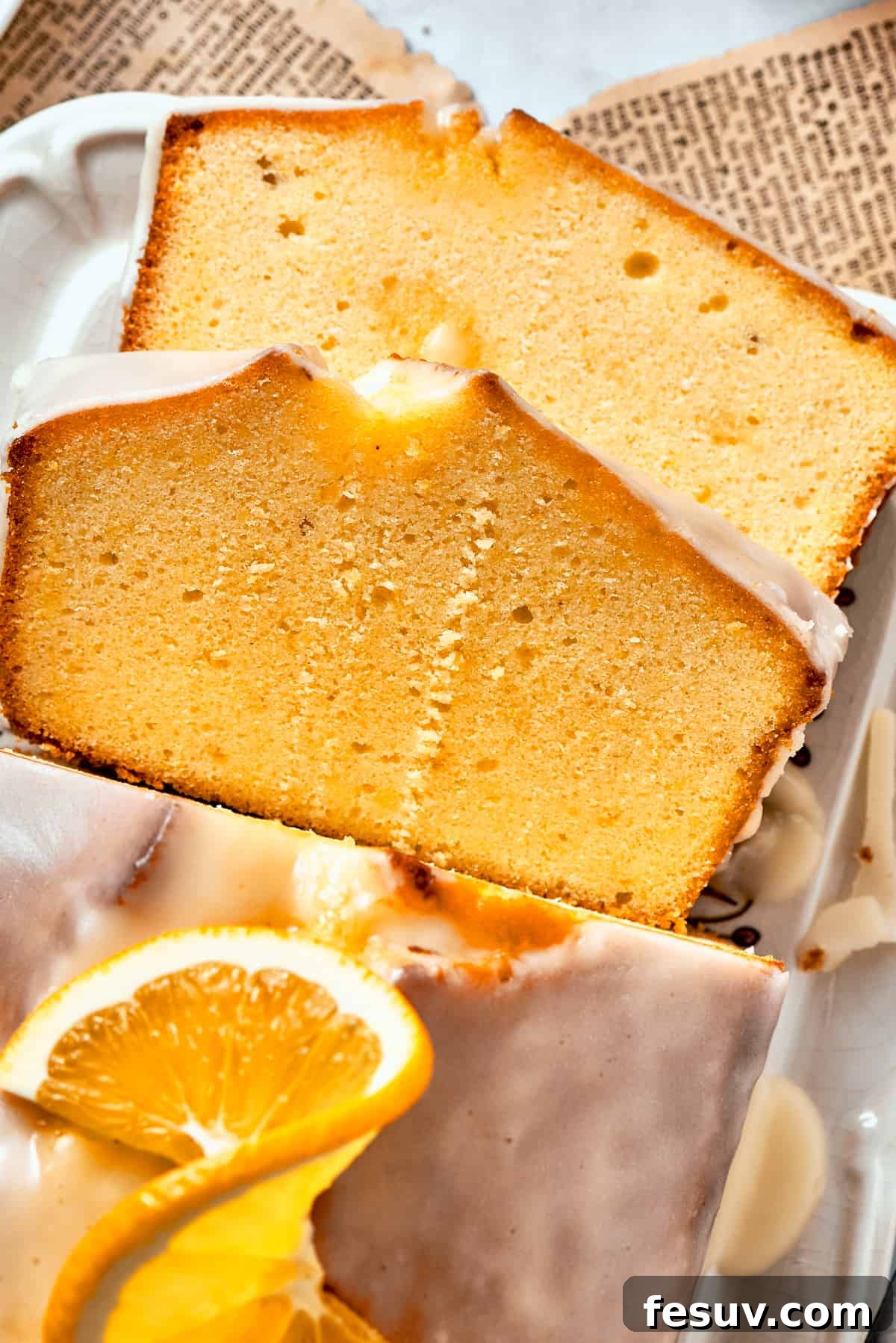
How to Bake Your Perfect Orange Loaf Cake: A Step-by-Step Guide
Creating this flavorful orange loaf cake is a straightforward and rewarding process. Follow these detailed steps to ensure a moist, tender, and incredibly delicious result. Visual cues from the photos below will help guide you through each stage.
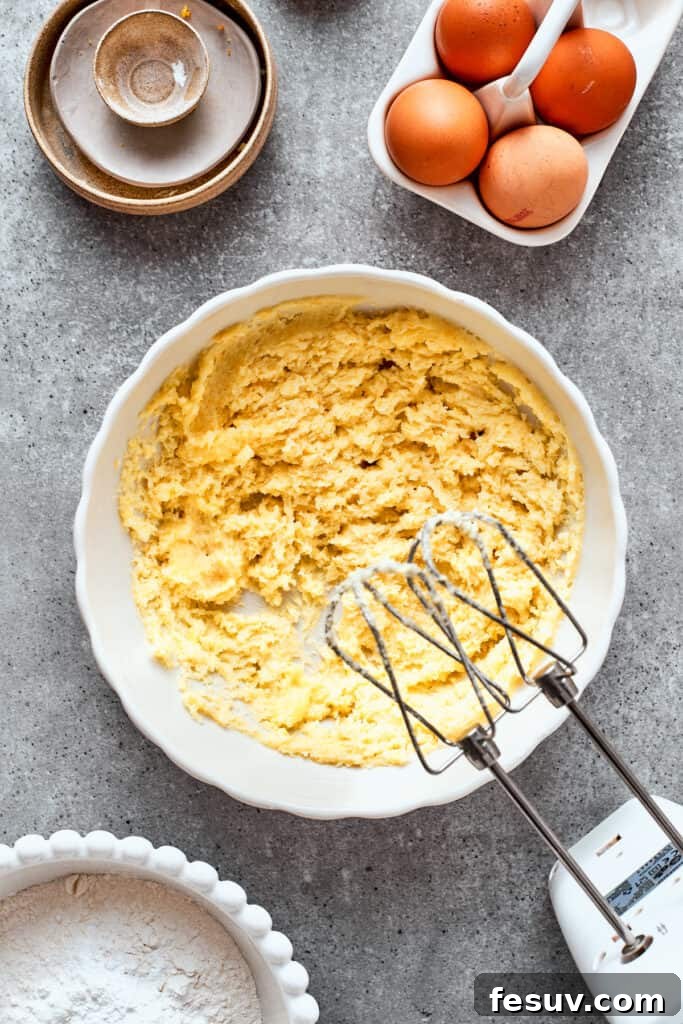
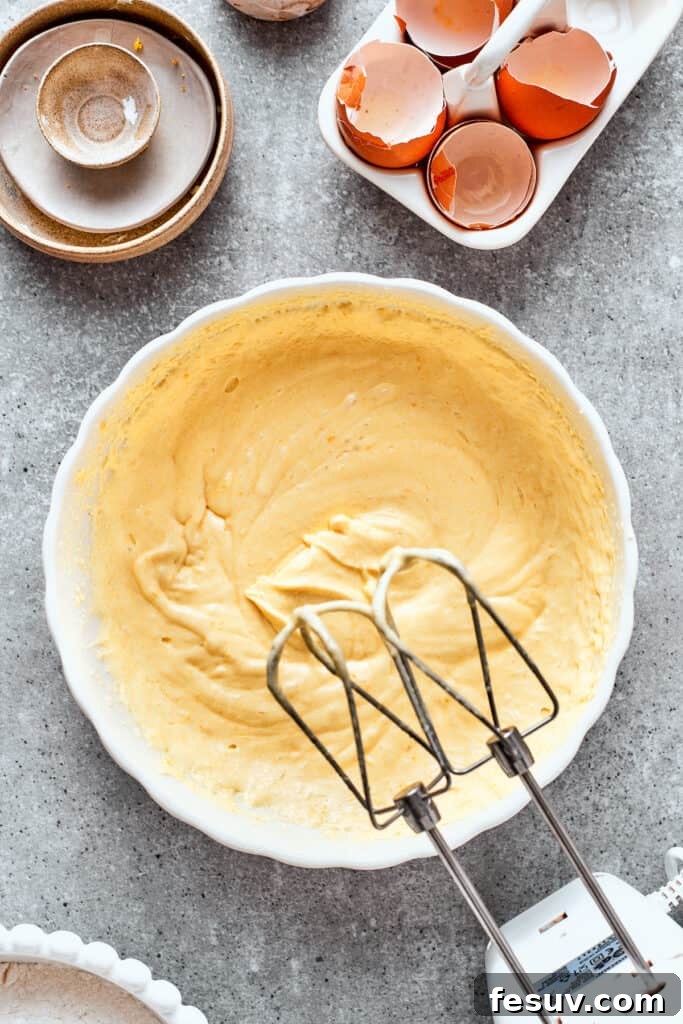
- Prepare Your Baking Environment: Begin by preheating your oven to 350°F (175°C). Next, take an 8×4-inch loaf pan, grease it thoroughly with softened butter, and then lightly dust it with all-purpose flour, tapping out any excess. This ensures your cake won’t stick. Set the prepared pan aside.
- Sift Dry Ingredients: In a medium-sized mixing bowl, combine the all-purpose flour, baking powder, and sea salt. Sift them together to remove any lumps and to aerate the flour, which contributes to a lighter cake texture. Set this bowl aside.
- Cream Butter, Sugar, and Zest: In a large mixing bowl, using an electric mixer, cream together the softened unsalted butter, granulated sugar, and fragrant orange zest. Beat on medium-high speed for approximately 4 to 5 minutes, or until the mixture becomes visibly light, pale, and fluffy. This step is crucial for incorporating air into the batter, resulting in a tender cake.
- Incorporate Eggs: Reduce the speed of your electric mixer to low. Add the large eggs and the extra egg yolk one at a time, beating well after each addition until fully incorporated. Scrape down the sides of the bowl as needed to ensure everything is evenly mixed.
- Blend Wet Ingredients: With the mixer still on low speed, add the buttermilk, orange juice, orange liqueur, and vanilla bean paste (or extract). Continue to mix gently until all these wet ingredients are just combined. Be careful not to overmix at this stage.
- Combine Wet and Dry Mixtures: Gradually add the sifted dry ingredients to the wet mixture, mixing on low speed with an electric mixer or gently folding with a spatula. Mix just until the batter is smooth and no streaks of flour remain. It’s critical not to overmix the batter, as this can develop the gluten too much and lead to a tough or rubbery cake.
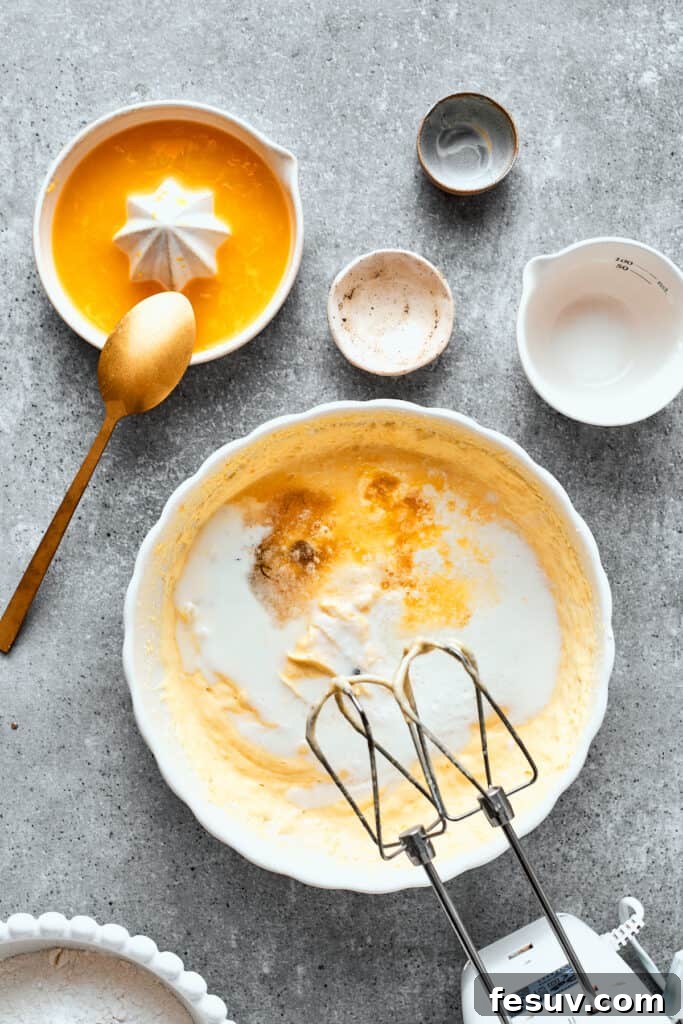
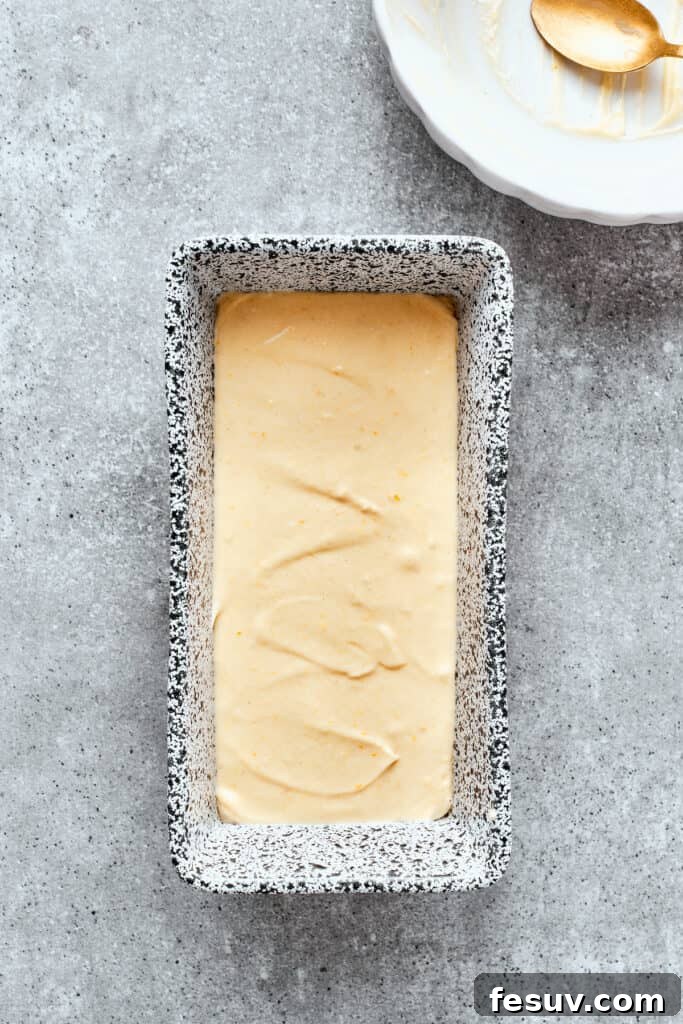
- Fill the Loaf Pan: Carefully pour the smooth cake batter into the greased and floured loaf pan. Spread it evenly with a spatula to ensure a uniform bake. Gently tap the pan on your counter a couple of times to release any trapped air bubbles.
- Bake to Golden Perfection: Place the loaf pan in the preheated oven. Bake for approximately 40 to 45 minutes, or until a wooden skewer or toothpick inserted into the center of the cake comes out clean. The cake should be beautifully golden brown on top and spring back lightly when touched.
- Soak with Orange Juice: Once the cake is baked, remove it from the oven. While it’s still warm in the pan, use a toothpick or skewer to poke numerous holes all over the top surface. Slowly and evenly drizzle the reserved 1 cup of fresh orange juice over the warm cake. This step adds incredible moisture and enhances the orange flavor. After soaking, carefully transfer the cake from the loaf pan to a wire rack to cool completely.
- Prepare the Orange Glaze: As the cake cools, prepare your vibrant orange glaze. In a separate bowl, sift the powdered sugar to ensure there are no lumps. Gradually add the freshly squeezed orange juice, one tablespoon at a time, stirring thoroughly between each addition until you achieve a smooth, pourable glaze consistency. You may not need all the juice, or you might need a tiny bit more – adjust as necessary.
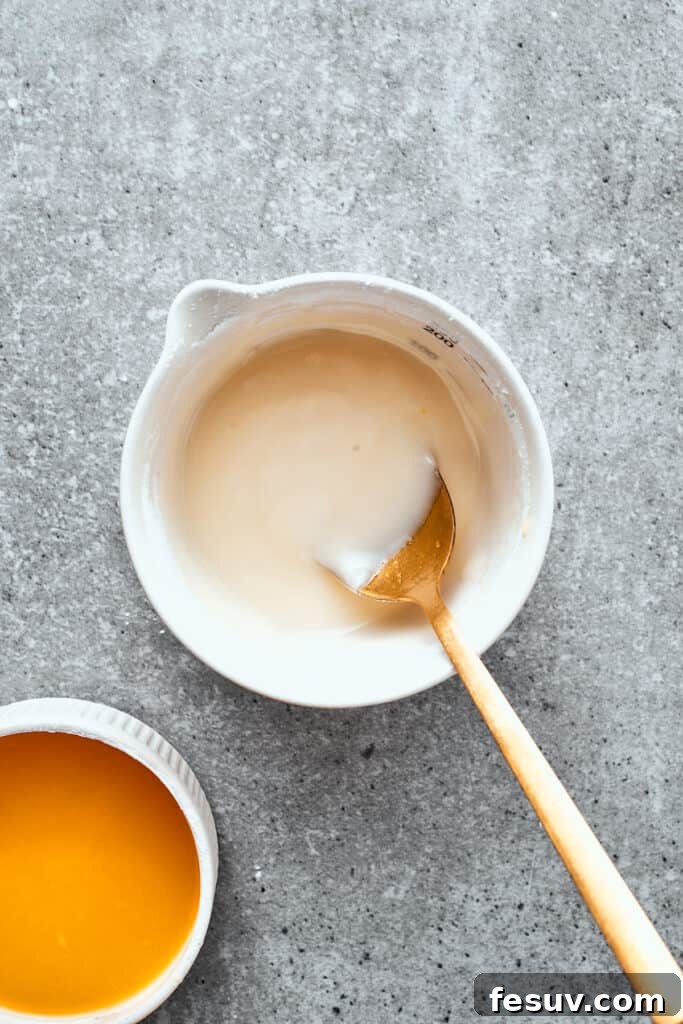
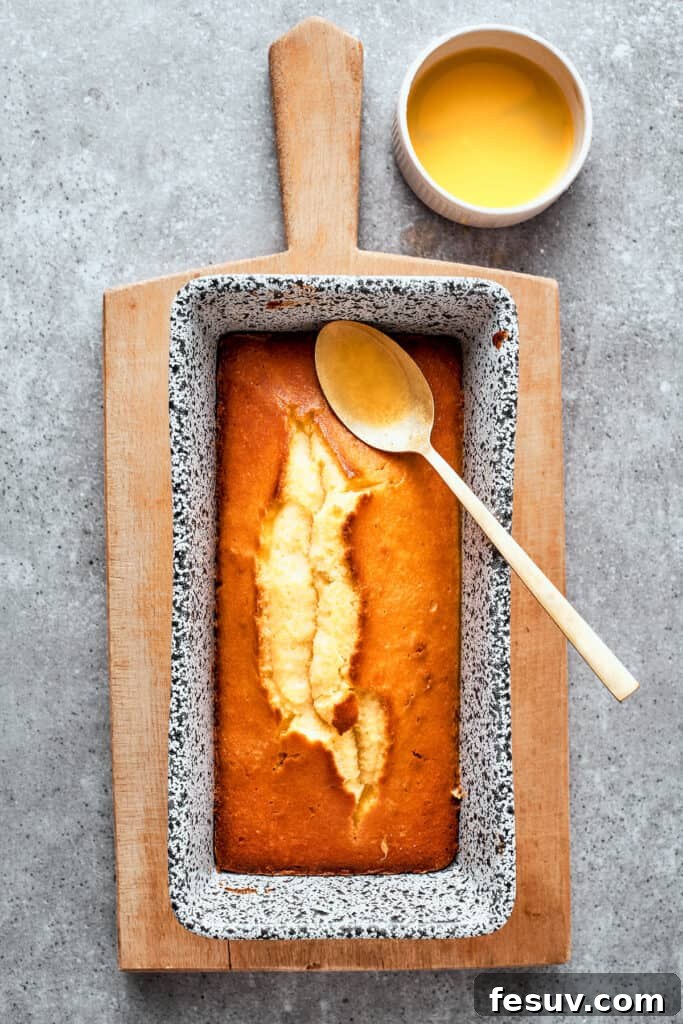
- Glaze and Garnish: Once the cake has cooled completely on the wire rack, generously drizzle the prepared orange glaze over the top. Allow it to cascade down the sides for a beautiful finish.
- Serve with Style: For an extra touch of elegance and fresh flavor, decorate the finished cake with thin slices of fresh orange, a scattering of vibrant blueberries, or a sprig of aromatic rosemary. Slice, serve, and enjoy your spectacular homemade orange cake!

Expert Tips for a Flawless Orange Cake Every Time
While this recipe is designed to be straightforward and forgiving, incorporating a few expert tips will ensure your orange loaf cake turns out perfectly moist, flavorful, and tender every single time. It’s similar to a traditional pound cake, making it hard to mess up, but these pointers will elevate your baking experience.
- Room Temperature Ingredients are Key: This is arguably the most important tip for a truly smooth and cohesive batter. Ensure your butter, eggs, and buttermilk are all at room temperature before you begin. Room temperature butter creams better with sugar, incorporating more air, leading to a lighter cake. Room temperature eggs and buttermilk emulsify more easily with the creamed butter, preventing a curdled-looking batter. To check if butter is soft enough, gently press it with your finger – it should leave an indentation without much resistance.
- Invest in Good-Quality Butter: Since butter forms the essential foundation of this delightful orange loaf cake, using a fresh, high-quality unsalted butter will significantly impact the flavor and texture of your final product. Better butter means better taste.
- Always Sift the Powdered Sugar: The orange glaze is simple yet packed with bright flavor, and you definitely want it to be perfectly smooth and free of any lumps. Sifting the powdered sugar thoroughly before whisking in the orange juice is crucial for achieving that silky-smooth consistency.
- Opt for Freshly Squeezed Orange Juice: While store-bought orange juice can certainly be used in a pinch, for the absolute freshest, most vibrant, and best possible flavor, take the extra step to squeeze the juice yourself. The difference in taste is truly remarkable and will make your cake shine.
- Avoid Overmixing the Batter: Be very careful not to overwork the cake batter once the dry ingredients have been added. Overmixing develops the gluten in the flour too much, which can result in a cake with a dense, rubbery, or tough texture. Mix only until the flour streaks have disappeared and the batter is just smooth, then turn off your mixer.
- Make it Ahead for Enhanced Flavor: This orange cake is one of those wonderful desserts that often tastes even better the day after it’s baked! You can easily bake this cake a few days before you plan to serve it. The flavors have time to meld and deepen as it rests. Just be sure to store the cake properly, covered, in the refrigerator, and bring it back to room temperature before serving for the best experience.
- Experiment with Other Citrus Varieties: While this is undeniably a fantastic orange loaf cake, the base recipe is incredibly versatile! Don’t hesitate to use it as a foundation to create other delicious citrus loaf cakes. Consider substituting the orange zest and juice with equal amounts of lemon, lime, blood orange, or even tangerine. You can either omit the orange liqueur for a pure citrus flavor or keep a small amount for a subtle, complex orange undertone.
- Proper Pan Preparation: For extra insurance against sticking and for easy removal, you can line your loaf pan with parchment paper, allowing an overhang on the longer sides. This creates “handles” to lift the cooled cake out effortlessly.
- Cool Completely Before Glazing: While the orange juice soak happens when the cake is warm, it’s essential to let the cake cool completely before applying the glaze. If the cake is still warm, the glaze will simply melt and be absorbed, rather than forming a beautiful, set layer on top.

Serving Suggestions & Perfect Pairings
This exquisite orange loaf cake is versatile enough to shine in many settings. Here are some ideas to enhance your serving experience:
- Simply Elegant: Serve slices unadorned for a pure taste of its citrusy goodness, perhaps with a cup of hot coffee or a fragrant herbal tea.
- Dessert Delight: Elevate it to a formal dessert by serving warm slices with a scoop of vanilla bean ice cream or a dollop of freshly whipped cream.
- Fruity Freshness: Garnish with extra fresh orange slices, a handful of blueberries, raspberries, or a sprig of fresh mint or rosemary for added color and complementary flavors.
- Brunch Favorite: A slice of this bright cake makes a wonderful addition to any brunch spread, pairing beautifully with fruit salads, yogurt, and other light breakfast items.
- Gift of Flavor: This loaf cake travels well and makes a thoughtful homemade gift for friends, family, or neighbors. Wrap it beautifully, and you have a gift that’s sure to impress.
Storage & Make-Ahead Advice for Your Orange Cake
Proper storage ensures your delicious orange loaf cake stays fresh and flavorful for as long as possible. This cake is excellent for making ahead, and its flavors often deepen overnight.
- Room Temperature: For immediate enjoyment (within 1-2 days), store the glazed orange cake lightly covered with foil or plastic wrap, or in an airtight container on your kitchen counter. This helps maintain its moist texture.
- Refrigeration: To extend its freshness, place the cake in an airtight container and store it in the refrigerator for up to 1 week. This is particularly recommended if your kitchen is warm or humid, or if the cake contains fresh fruit garnishes.
- Freezing the Whole Loaf: This cake freezes exceptionally well! To freeze the entire loaf, first wrap it tightly in a layer of plastic wrap, followed by a layer of heavy-duty aluminum foil. This double layer protects against freezer burn. Store in the freezer for up to 3 months.
- Freezing Individual Slices: For convenient single servings, wrap individual slices of cooled cake tightly in plastic wrap, then place them in a freezer-safe, sealable bag or an airtight container. Freeze for up to 3 months.
- Thawing: When you’re ready to enjoy a frozen cake, transfer it to the refrigerator and allow it to thaw completely overnight. For a quicker thaw, individual slices can be left at room temperature for about an hour, or gently warmed in the microwave for a few seconds.
Frequently Asked Questions (FAQ)
Here are answers to some common questions you might have about making this orange cake:
- Can I use bottled orange juice instead of freshly squeezed? While freshly squeezed orange juice provides the best and most vibrant flavor, you can use high-quality bottled orange juice (not from concentrate) if fresh oranges are unavailable. Just be aware the flavor might be slightly less intense.
- What if I don’t have orange liqueur? Can I omit it? Absolutely! The orange liqueur adds a subtle depth and intensifies the orange flavor, but it can be omitted without drastically altering the cake’s core appeal. You can replace it with an equal amount of orange juice or even a teaspoon of orange extract for a non-alcoholic boost.
- Can I make this recipe in a different pan size? This recipe is designed for a standard 8×4-inch loaf pan. If you use a different size (e.g., a larger loaf pan, a bundt cake pan, or a round cake pan), you will need to adjust the baking time. A larger pan might require less time, while a smaller one will need more. Always use the toothpick test for doneness.
- How can I make this cake gluten-free? While not tested with this specific recipe, many successful gluten-free loaf cakes can be made by substituting the all-purpose flour with a high-quality 1:1 gluten-free baking flour blend that contains xanthan gum. Follow the package directions for any specific substitutions or liquid adjustments.
- What type of oranges are best for this cake? Navel oranges are excellent for both zest and juice due to their sweet flavor and thick peel. Valencia oranges are also a great choice, especially for their juice. For a unique flavor, consider blood oranges when in season!
More Delightful Cake Recipes to Try
If you’ve enjoyed this orange loaf cake, you might also love these other fantastic cake recipes:
- Decadent Chocolate Eclair Cake
- Sweet & Fluffy Strawberry Cupcakes
- Zesty Lemon Bundt Cake
- Classic Red Velvet Cake
- Simply Delicious Easy Chocolate Cake

The Ultimate Zesty Orange Loaf Cake
This incredibly moist orange cake is bursting with citrus flavor from fresh zest, juice, and a hint of liqueur, all topped with a delectable orange glaze.
Prep Time: 15 minutes
Cook Time: 45 minutes
Total Time: 1 hour
Yields: 10 servings
Ingredients
For the Cake:
- 2 cups all-purpose flour
- 1 teaspoon baking powder
- ½ teaspoon sea salt
- 1 cup unsalted butter, softened at room temperature
- 1 cup granulated sugar
- 4 tablespoons orange zest (from about 2 large oranges)
- 3 large eggs, at room temperature
- 1 egg yolk, at room temperature
- ½ cup buttermilk, at room temperature
- 3 tablespoons fresh orange juice
- 1 tablespoon orange liqueur (like Grand Marnier, optional)
- 1 teaspoon vanilla bean paste, or pure vanilla extract
- 1 cup orange juice, for soaking the warm cake
For the Orange Glaze:
- 1 cup powdered sugar (confectioners’ sugar), sifted
- 3 tablespoons freshly squeezed orange juice (strained)
Instructions
For the Cake:
- Preheat your oven to 350°F (175°C). Grease an 8×4-inch loaf pan with butter and dust it lightly with flour. Set aside.
- In a medium bowl, sift together the all-purpose flour, baking powder, and sea salt. Set this dry mixture aside.
- In a large mixing bowl, use an electric mixer to cream together the softened unsalted butter, granulated sugar, and orange zest until the mixture is light, pale, and fluffy, approximately 4-5 minutes.
- Reduce the mixer speed to low. Add the eggs one at a time, beating well after each addition until fully incorporated. Then, beat in the extra egg yolk.
- With the mixer still on low, add the buttermilk, 3 tablespoons of orange juice, orange liqueur (if using), and vanilla bean paste. Mix until just combined.
- Gradually add the sifted dry ingredients to the wet mixture, mixing on low speed with an electric mixer or folding with a spatula until the batter is smooth and no streaks of flour remain. Be careful not to overmix.
- Pour the batter into the prepared loaf pan, spreading it evenly. Gently tap the pan on the counter to remove any air bubbles.
- Bake in the preheated oven for 40 to 45 minutes, or until a toothpick inserted into the center comes out clean.
- Once baked, remove the cake from the oven. While still warm in the pan, use a toothpick or skewer to poke holes all over the top surface. Slowly drizzle the reserved 1 cup of fresh orange juice over the warm cake.
- Transfer the cake from the loaf pan to a wire rack and let it cool completely before glazing.
For the Orange Glaze:
- Strain the 3 tablespoons of freshly squeezed orange juice through a fine-mesh sieve to remove any pulp.
- In a separate bowl, sift the powdered sugar. Gradually add the strained orange juice, spoon by spoon, stirring thoroughly between each addition until a smooth, pourable glaze is formed. Adjust juice amount as needed for desired consistency.
- Once the cake has cooled completely, drizzle the orange glaze evenly over the top, allowing it to gently cascade down the sides.
- (Optional) Decorate with fresh orange slices, fresh blueberries, or a sprig of rosemary for an elegant touch.
- Slice, serve, and enjoy!
Equipment
- Measuring Cups and Spoons
- Mixing Bowls
- Electric Mixer
- Cooling Wire Rack
- 8×4-inch Loaf Pan
Notes
- Room-Temperature Ingredients: Ensure butter, eggs, and buttermilk are at room temperature for the best batter consistency and cake texture.
- Sift Powdered Sugar: Always sift your powdered sugar for a lump-free, perfectly smooth glaze.
- Fresh Orange Juice: For the most vibrant flavor, use freshly squeezed orange juice for both the cake and the glaze.
- Avoid Overmixing: Mix the batter only until just combined to prevent gluten development, which can lead to a tough cake.
- Make Ahead: This cake tastes even better the next day! Store it covered in the fridge and bring to room temperature before serving.
- Citrus Variations: Feel free to experiment by swapping orange for lemon, lime, blood orange, or tangerine zest and juice.
- Storage: Store covered at room temperature for 2 days, or refrigerated for up to 7 days. Freeze whole loaf or slices (wrapped well) for up to 3 months; thaw in the fridge.
Nutrition
Calories: 426kcal | Carbohydrates: 55g | Protein: 5g | Fat: 21g | Saturated Fat: 13g | Polyunsaturated Fat: 1g | Monounsaturated Fat: 6g | Trans Fat: 1g | Cholesterol: 119mg | Sodium: 338mg | Potassium: 107mg | Fiber: 1g | Sugar: 35g | Vitamin A: 727IU | Vitamin C: 11mg | Calcium: 62mg | Iron: 2mg
Nutritional information is an estimate and provided as a courtesy. Values may vary according to ingredients and tools used. Please use your preferred nutritional calculator for more detailed information.