

Transform your kitchen into a hub of wholesome cooking with this incredibly simple, homemade Cream of Chicken Soup Substitute. Crafted from just a handful of everyday pantry ingredients, this recipe offers a delicious, unprocessed alternative to canned soup. It’s perfect for elevating all your favorite recipes, from creamy casseroles to comforting gravies, providing superior flavor and complete control over what goes into your meals. Say goodbye to unknown additives and artificial flavors, and embrace the rich, savory goodness of a soup made from scratch!

Effortless Homemade Cream of Chicken Soup: A Kitchen Essential
There’s a growing movement towards healthier, unprocessed eating, with more and more home cooks seeking to reduce reliance on convenience foods. This trend is entirely understandable; making meals from scratch gives you unparalleled control over the ingredients, allowing you to easily minimize unnecessary sodium, unhealthy fats, artificial dyes, and preservatives that often lurk in pre-packaged products. However, one common hurdle many encounter in this journey is the reliance on canned condensed soups. These versatile staples are frequently called for in creamy casseroles, rich sauces, thick gravies, and hearty bakes, making them a kitchen conundrum for those aiming for a cleaner diet.
The good news? You don’t have to sacrifice convenience or flavor! My answer to this dilemma is this incredibly simple homemade cream of chicken soup substitute. It comes together quickly, uses only wholesome, easy-to-pronounce ingredients, and delivers a superior taste that store-bought cans simply can’t match. Prepare a batch or two and store it for later, ensuring you always have a healthy, flavorful base ready for your culinary adventures. This recipe isn’t just a substitute; it’s an upgrade!
Cream of Chicken, Cream of Chicken Soup, or Condensed Cream of Chicken Soup?
Navigating recipe terminology can sometimes be confusing, but when it comes to “cream of chicken,” “cream of chicken soup,” or “condensed cream of chicken soup,” rest assured they all refer to the same indispensable ingredient. This rich, creamy, and flavorful base is typically used to add body, moisture, and a savory depth to a wide array of dishes. Our homemade version captures the essence of this versatile ingredient, allowing you to use it interchangeably in any recipe that calls for its canned counterpart, but with the added benefits of fresh ingredients and customized flavor.
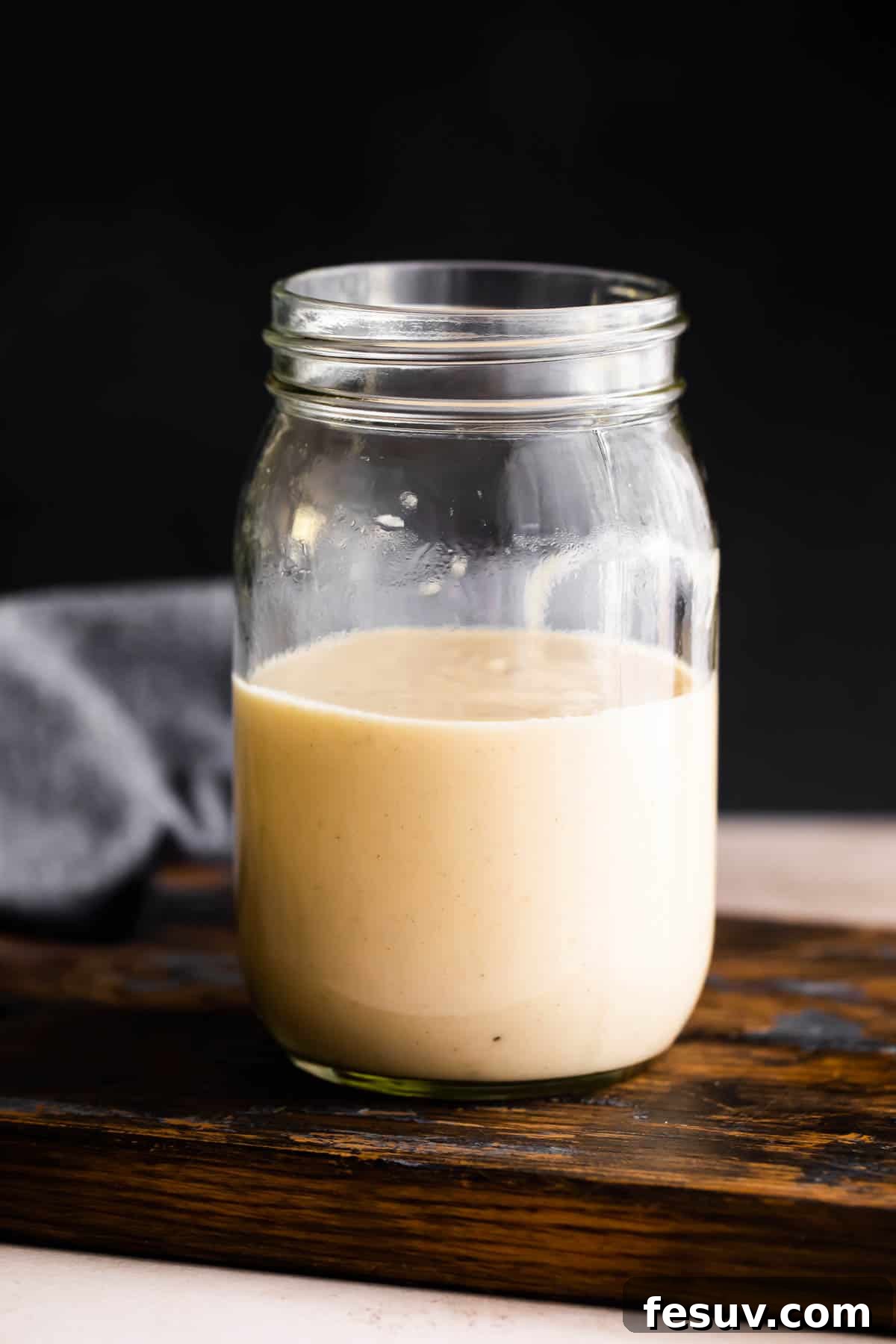
The Wholesome Ingredients You’ll Need
You’ll be pleasantly surprised by how few ingredients are required to create this creamy delight, all of which are likely already in your pantry! This simple list not only makes the soup accessible but also offers a fantastic canvas for customization, as you’ll discover in our “Tips and Variations” section below.
- Butter: The foundation of our creamy soup begins with butter. You can use either salted or unsalted butter here; if using salted, simply adjust the amount of added salt to your taste later. Butter not only provides a rich flavor but also serves as the essential fat component for creating our roux, which is crucial for achieving the perfect thick consistency.
- All-Purpose Flour: A little all-purpose flour is all it takes to bind with the butter, forming a roux that will expertly thicken your soup. For those with gluten sensitivities or dietary preferences, this is an easy ingredient to swap out for your favorite gluten-free flour blend, ensuring everyone can enjoy this homemade treat.
- Chicken Broth: Store-bought chicken broth works wonderfully and is a convenient choice. However, if you have the time, using homemade chicken broth or stock will undoubtedly enhance the depth of flavor even further. Opt for low-sodium broth if you want more control over the final salt content of your soup.
- Milk: I’ve found that 2% milk yields a perfectly thick and creamy texture for this recipe, striking an ideal balance between richness and lightness. For an even more indulgent and luxurious soup, feel free to use whole milk, half-and-half, or even heavy cream. If you’re looking for a dairy-free option, unsweetened plain almond milk or cashew milk can also work, though the texture might be slightly different.
- Salt and Pepper: These fundamental seasonings are crucial for bringing out the best in your soup. Always season to taste, adding gradually until you reach your desired flavor profile. Freshly ground black pepper adds a superior aromatic quality.
- Optional Enhancements: For an extra layer of flavor, consider adding a pinch of garlic powder, onion powder, or a dash of dried herbs like thyme or sage. These small additions can significantly boost the overall complexity and aroma of your homemade cream of chicken soup.
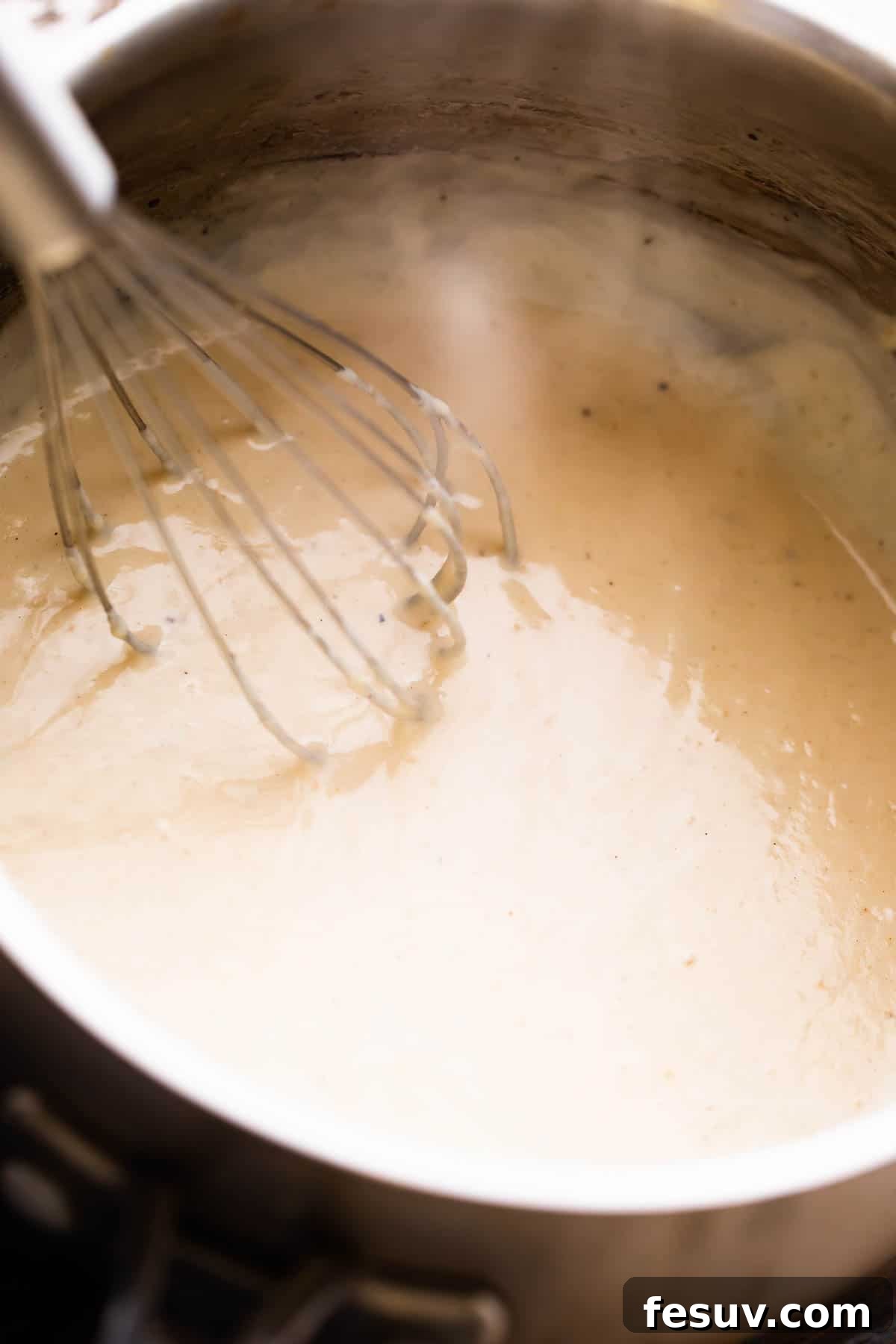
Crafting Your Creamy Masterpiece: Step-by-Step Instructions
If you’ve ever mastered the art of making homemade gravy, then the process for this cream of chicken substitute will feel incredibly familiar. It employs nearly the same classic method and many of the same core ingredients, making it an accessible and rewarding culinary endeavor. Get ready to whisk your way to perfection!
- Create a Velvety Roux: Begin by placing a medium saucepan over medium-low heat. Add the butter to the pan and allow it to melt completely. Once melted, sprinkle in the all-purpose flour. Immediately grab a whisk and thoroughly incorporate the flour and butter, stirring constantly until you achieve a smooth, lump-free paste. Continue to cook this roux, whisking continuously, for about one minute. This crucial step not only blends the ingredients but also cooks out the raw flour taste, ensuring a perfectly smooth and flavorful base for your soup.
- Gradually Add Liquids for Creaminess: Next, it’s time to introduce the liquids. Slowly pour in the chicken broth, making sure to whisk vigorously as you add it. This gradual addition and constant whisking are key to preventing lumps and ensuring a silky-smooth consistency. After the broth is fully incorporated, add the milk. Continue whisking as you bring the mixture to a gentle boil. As the soup heats and boils, you’ll notice it beginning to thicken beautifully, transforming into a rich, creamy base.
- Season, Taste, and Finish: Once your soup has reached your desired thickness, remove it from the heat. Now is the time to season it generously with salt and fresh ground black pepper. Taste and adjust the seasonings as needed, ensuring the flavor is perfectly balanced to your preference. Your homemade cream of chicken soup substitute is now ready to be used immediately in your favorite recipes, or it can be cooled and stored for future use.

Helpful Tips And Creative Variations
One of the greatest advantages of making your cream of chicken soup from scratch is the endless opportunity for customization. Here are some pro tips and delicious variations to inspire your culinary creativity:
- Make It Gluten-Free: Adapting this recipe for a gluten-free diet is wonderfully simple. Just substitute the all-purpose flour with your favorite gluten-free flour blend. Rice flour or a measure-for-measure gluten-free flour blend works very well to achieve a similar thickening power and smooth texture.
- Make It Vegetarian/Vegan: To create a delicious vegetarian version, simply omit the chicken broth and use a rich vegetable broth instead. For a fully vegan alternative, swap the regular butter for a plant-based butter or cooking oil (like olive oil or coconut oil) and use your preferred dairy-free milk, such as unsweetened almond, soy, or oat milk.
- Cream of Mushroom Soup: Easily transform this into a homemade cream of mushroom soup. Begin by sautéing about half a cup of finely chopped mushrooms (cremini or white button work best) and a small amount of minced shallot in the butter before adding the flour. Once softened, proceed with the recipe, and consider adding a splash of dry sherry or white wine for an extra layer of gourmet flavor.
- Cream of Celery Soup: This variation is incredibly straightforward. Just add about a quarter cup of finely chopped celery to the saucepan with the butter at the start, cooking until softened. You can also replace a portion of the regular salt with a pinch of celery salt to enhance the celery flavor even further.
- Cream of Asparagus or Broccoli: For other creamy vegetable soups, blanch about half a cup of your chosen vegetable (asparagus tips or small broccoli florets), then finely chop or lightly mash them. Add these to the soup along with the milk, allowing them to infuse their delicate flavor and color.
- Herb-Infused Cream Soup: Elevate the aroma and taste by stirring in fresh or dried herbs. A teaspoon of dried thyme, sage, or a blend of Italian herbs added with the flour or broth can impart a wonderful complexity.
- A Touch of Spice: For those who enjoy a little kick, a tiny pinch of cayenne pepper or red pepper flakes can be added along with the salt and pepper for a subtle warmth.
Unleashing the Versatility: Endless Ways to Use Your Homemade Cream of Chicken Soup
The beauty of homemade cream of chicken soup lies in its incredible versatility. This creamy, roux-based soup is not just a dish in itself but a foundational ingredient that can elevate a vast array of recipes. Forget about the limited usage of canned versions; your homemade batch opens up a world of culinary possibilities!
- Hearty Casseroles: Cream of chicken soup is the undisputed king of casseroles. It acts as a perfect binder, adds moisture, and infuses rich flavor into dishes like my hamburger potato casserole. Use it as the creamy sauce base for classic chicken and rice, tuna noodle, green bean, or broccoli and cheese casseroles. Its thickness ensures your casserole stays moist and doesn’t dry out during baking, creating that irresistible comfort food texture.
- Comforting Soups and Stews: While it’s a “cream of chicken” soup, it can also be used to enhance other soups! Give your favorite vegetable soup (perhaps a rich Reuben soup!) a luxurious, creamy twist by stirring in a portion of this homemade base. It’s also fantastic as a starter for creamy chicken noodle soup, a thick potato soup, or to add body and richness to slow-cooked stews.
- Rich Gravies and Sauces: Beyond being a soup, this recipe is essentially a very flavorful white sauce. It can be easily transformed into a quick chicken gravy to pour over mashed potatoes or biscuits. Furthermore, it serves as an excellent base for various creamy sauces for pasta, steamed vegetables, or even a basic cheese sauce – simply add about half a cup of your favorite shredded cheese for an instant upgrade.
- Delectable Pot Pies: This easy-to-make sauce is an ideal filling for creating indulgent and comforting pot pies, such as this simple Chicken Pot Pie. Its creamy consistency ensures a perfectly savory and moist interior, making your homemade pot pie truly stand out.
- Baked Chicken and Pork: Pour a generous amount of your homemade cream of chicken soup over skinless chicken legs, breasts, or pork chops in a baking dish. Cover well with foil or an ovenproof lid and bake at around 400°F for about 1 hour, or until the meat is thoroughly cooked. The soup creates a flavorful, tenderizing sauce as it bakes, keeping your protein moist and delicious. For an extra treat, stir in some shredded cheese and/or fresh spinach!
- Slow Cooker Enhancer: Add a dollop or two of this creamy soup to your slow cooker recipes to boost richness, help thicken sauces, and ensure your meats remain incredibly tender and flavorful throughout the long cooking process.
- Creamy Dips and Spreads: Looking for a fantastic party appetizer? Use this homemade cream of chicken soup as the base for warm, cheesy dips. Combine it with cooked shredded chicken, plenty of cheese, and your favorite seasonings for an irresistible dip served with crackers or tortilla chips.

Storing Your Homemade Batch for Future Meals
Preparing a larger batch of this homemade cream of chicken soup substitute is a smart move for meal planning. Proper storage ensures you always have this versatile ingredient ready to go, saving you time and effort on busy weeknights.
- In the Refrigerator: Once your cream of chicken soup has cooled completely, transfer it to a clean, airtight container or a heavy-duty freezer bag. Stored properly in the refrigerator, it will maintain its quality and freshness for up to one week. Be sure to label it with the date for easy tracking.
- In the Freezer: For longer-term storage, the freezer is your best friend. Allow the soup to cool entirely before pouring it into freezer-safe containers or bags. When freezing liquids, always remember to leave a little bit of headspace (about an inch) at the top of the container or bag, as liquids expand when frozen. This prevents containers from cracking or bags from bursting. Your homemade soup can be kept in the freezer for up to three months. When you’re ready to use it, simply thaw it overnight in the refrigerator. You may find that the texture separates slightly upon thawing; a quick whisk will usually bring it back to its smooth, creamy consistency.
Frequently Asked Questions (FAQ)
Here are some common questions about making and using homemade cream of chicken soup:
- Q: Can I make this soup ahead of time?
A: Absolutely! This recipe is perfect for meal prep. Make a large batch and store it in the refrigerator or freezer as per the instructions above. Having it on hand makes assembling quick weeknight meals a breeze. - Q: What if my soup turns out lumpy?
A: Lumps usually occur if the flour isn’t fully incorporated into the butter for the roux, or if liquids are added too quickly without enough whisking. If you end up with a few lumps, don’t despair! You can often smooth them out by whisking vigorously over low heat. For stubborn lumps, an immersion blender or a regular blender (after cooling slightly) can help achieve a perfectly smooth consistency. - Q: How can I adjust the thickness of the soup?
A: If your soup is too thick, simply whisk in a little more chicken broth or milk until it reaches your desired consistency. If it’s too thin, you can continue to cook and whisk it over medium-low heat for a few more minutes; as the liquid evaporates, it will thicken. Alternatively, you can mix a small amount of flour or cornstarch with an equal part of cold water to create a slurry, then whisk it into the simmering soup and cook until thickened. - Q: Can I use different types of milk for this recipe?
A: Yes, you have several options! While 2% milk provides a good balance, whole milk, half-and-half, or heavy cream will result in an even richer and creamier soup. For dairy-free alternatives, unsweetened plain almond milk or cashew milk can be used, though they might alter the flavor and texture slightly. - Q: Is homemade cream of chicken soup really healthier than canned?
A: In most cases, yes! By making it from scratch, you control all the ingredients. This means you can significantly reduce the amount of sodium, avoid artificial flavors, colors, and preservatives, and use higher-quality fats. You also eliminate ingredients like MSG or high-fructose corn syrup often found in commercial products, making it a much healthier choice for your family.
Explore More Easy Weeknight Soup Recipes
If you love the comfort and ease of homemade soups, be sure to check out these other fantastic recipes:
- Roasted Tomato Basil Soup
- Pasta Fagioli
- Slow Cooker Crack Chicken Soup
- Italian Sausage Butternut Squash Soup
- Loaded Baked Potato Soup

Cream of Chicken Soup
Ingredients
- 1 tablespoon unsalted butter
- 3 tablespoons all-purpose flour
- ½ cup chicken broth
- ½ cup 2% milk
- salt and fresh ground black pepper, to taste
Instructions
-
Melt the butter in a saucepan over medium-low heat.
-
Add the flour to the melted butter and whisk until smooth; continue to cook and whisk for 1 minute.
-
Slowly pour in the chicken broth and whisk.
-
Whisk in the milk.
-
Bring mixture to a boil while constantly whisking.
-
Continue to whisk until mixture begins to thicken.
-
Season with salt and pepper; taste and adjust.
-
Remove from heat.
-
Use immediately or let cool; then store in the fridge, or the freezer.
Nutrition
Nutritional info is an estimate and provided as courtesy. Values may vary according to the ingredients and tools used. Please use your preferred nutritional calculator for more detailed info.