
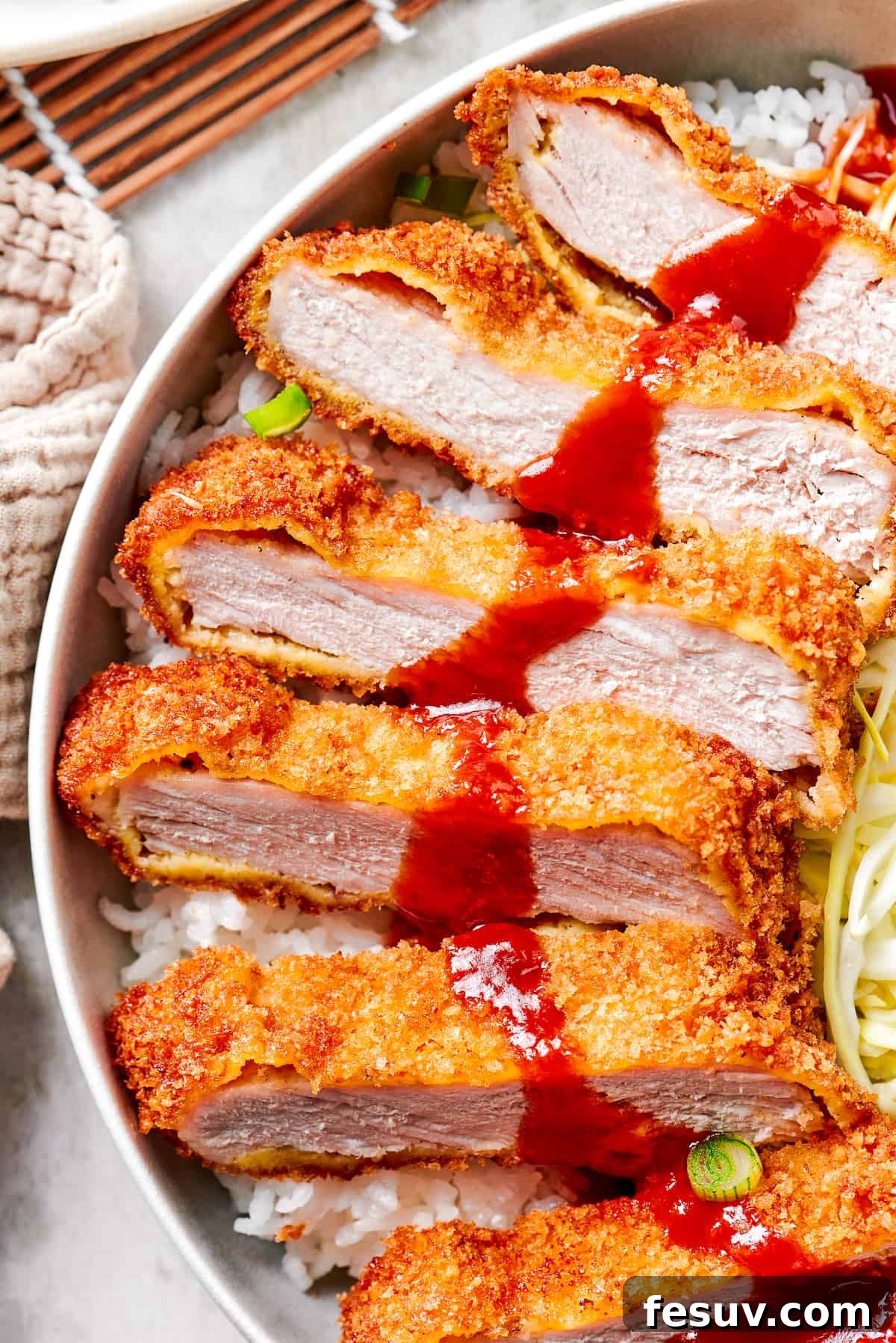
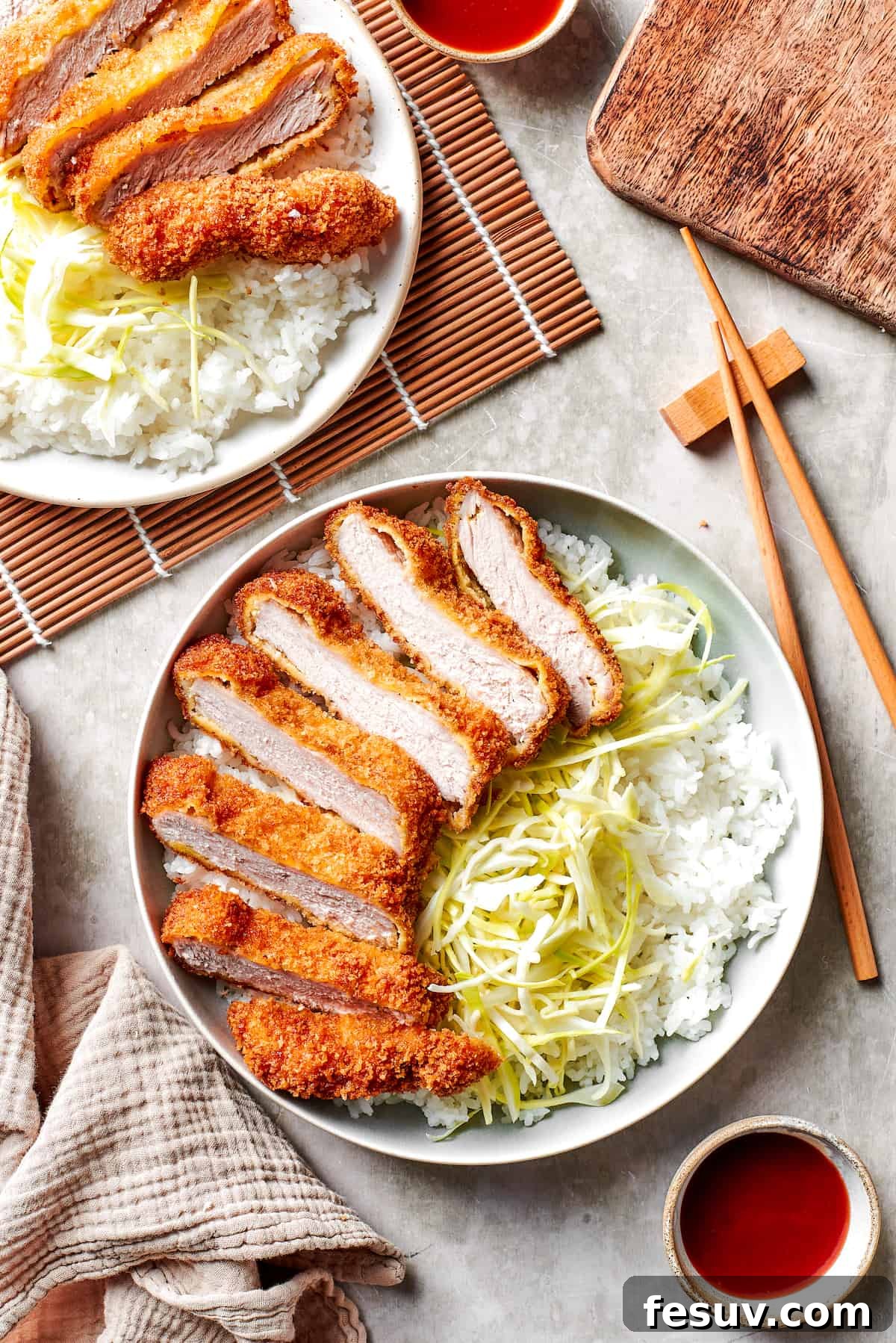
Unlock the secrets to crafting incredibly delicious and authentic Pork Katsu right in your own kitchen! This cherished Japanese dish features succulent pork cutlets, meticulously breaded with crispy panko, then fried to a golden-brown perfection. Each tender bite is perfectly complemented by a generous drizzle of homemade Tonkatsu sauce—a rich, sweet, and savory condiment that elevates the experience. Serve this Japanese pork katsu alongside a bed of fluffy white rice and a refreshing squeeze of fresh lemon for a quick, satisfying, and immensely flavorful dinner that will transport your taste buds straight to Japan.
While Pork Katsu is a star in itself, our culinary journey doesn’t stop here. Explore other delightful pork chop variations, including our mouthwatering Pesto Stuffed Pork Chops, bursting with herbaceous flavor, and the irresistible Brown Sugar Pork Chops, offering a perfect balance of sweetness and savory notes. These recipes are designed to inspire and simplify your weeknight meals, proving that extraordinary flavors can be achieved with ease.
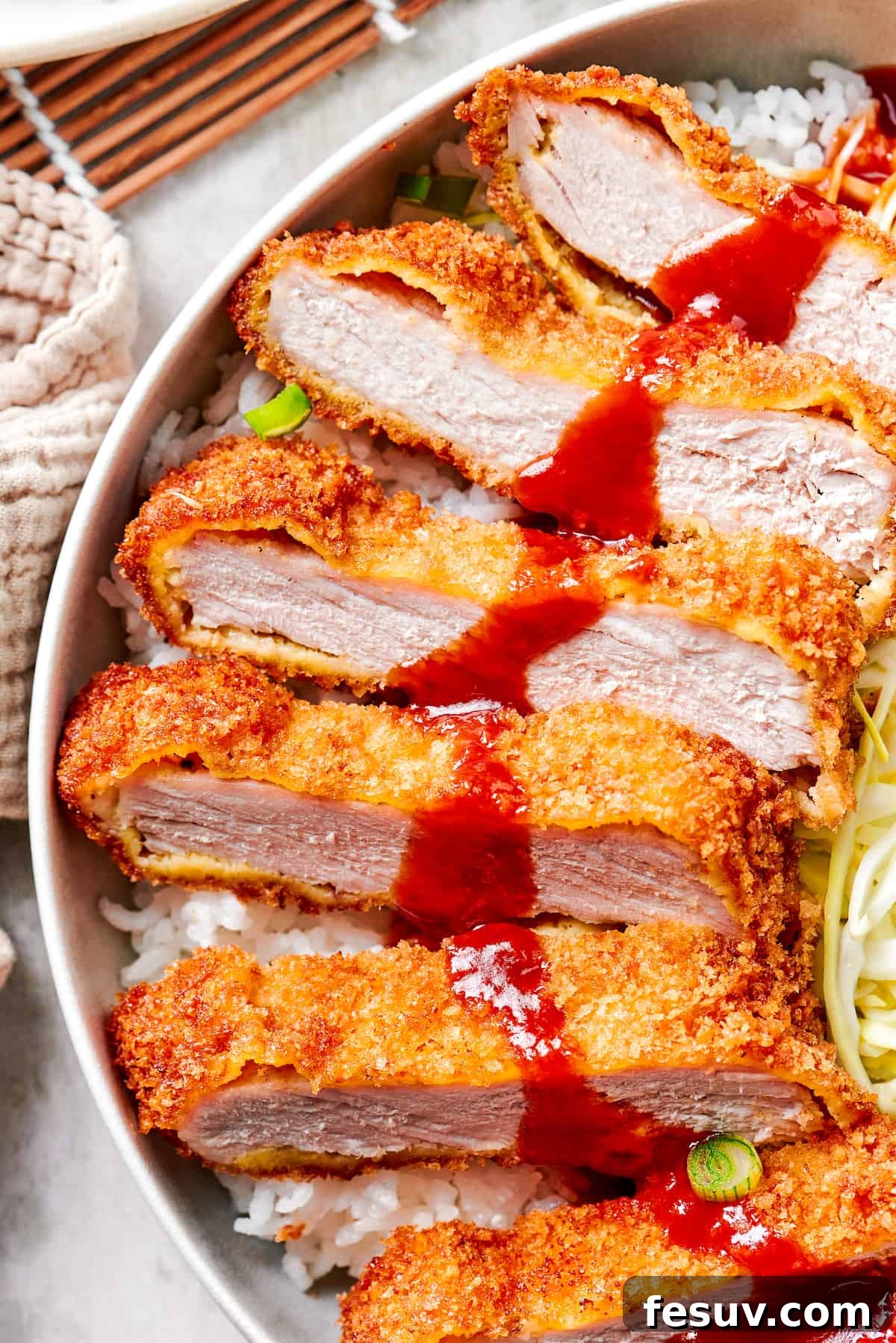
Prepare yourself for a truly unforgettable culinary adventure with this definitive Pork Katsu recipe! We’re talking about mastering the art of frying boneless pork cutlets until they achieve that coveted exterior crunch, while remaining incredibly juicy and tender on the inside. What truly sets this dish apart, however, is the lavish application of our scratch-made Tonkatsu sauce. This iconic condiment, with its deep umami, tangy sweetness, and subtle spice, transforms simple fried pork into an extraordinary meal. Pork Katsu is a consistent favorite in our home, often enjoyed for both leisurely lunches and satisfying dinners, thanks to its vibrant flavors and approachable preparation.
Why This Japanese Pork Katsu Recipe Will Become Your New Favorite
There are countless reasons to fall in love with homemade Pork Katsu, and this recipe highlights everything wonderful about this classic Japanese dish:
- Effortlessly Quick & Simple: Forget complicated cooking techniques. This recipe is designed for efficiency, requiring just about 10 minutes of active cooking time. From start to finish, you can have a restaurant-quality dinner on your table in approximately 25 minutes, making it ideal for busy weeknights when you crave something special without the fuss.
- Bursting with Exquisite Flavor: One of the greatest joys of cooking is experimenting with familiar ingredients in exciting new ways. Our homemade Tonkatsu sauce is a testament to this, blending everyday pantry staples like ketchup, soy sauce, Worcestershire, and oyster sauce with a hint of mirin and brown sugar. This harmonious combination creates a complex, irresistible sweet-savory tang that beautifully complements the crispy pork, elevating the entire dish to a new level of deliciousness.
- A Fresh Approach to Pork: If you’re looking to expand your pork recipe repertoire beyond traditional roasts or grilled chops, this Japanese-inspired method is a fantastic discovery. It offers a unique texture and flavor profile that is both comforting and exotic, providing a welcome change to your meal rotation. It’s a rewarding culinary experience that proves just how versatile pork can be.
- Crowd-Pleasing & Family-Friendly: The crispy texture and delightful taste of Pork Katsu appeal to almost everyone, including picky eaters. It’s a fantastic dish to introduce new flavors to your family in a familiar, comforting format. Plus, it’s easily customizable to individual preferences.
- Impressive Yet Uncomplicated: While Pork Katsu might seem like a dish reserved for Japanese restaurants, this recipe simplifies the process, making it perfectly achievable for home cooks of all skill levels. You’ll be amazed at how such a simple technique can yield such impressive results, allowing you to confidently serve a dish that looks and tastes gourmet.
What Exactly Is Pork Katsu? Delving into a Japanese Delicacy
Pork Katsu is a beloved culinary staple in Japanese cuisine, renowned for its satisfying crunch and tender interior. At its core, “Katsu” is an abbreviation of “katsuretsu,” meaning cutlet, while “Ton” refers specifically to pork. Thus, “Tonkatsu” literally translates to “pork cutlet.” This iconic dish involves taking a carefully prepared cut of pork, typically a loin or fillet, breading it with unique Japanese Panko breadcrumbs, and then deep-frying it until it achieves a beautifully golden, incredibly crispy crust while remaining wonderfully juicy inside. It’s almost always served with a distinctive, thick, sweet-tangy Tonkatsu sauce, which adds a crucial layer of flavor and moisture.
Beyond its simple description, Pork Katsu holds a special place in Japanese comfort food. It can be enjoyed in various ways: traditionally presented with a heap of finely shredded green cabbage (which offers a refreshing counterpoint to the fried pork) and a side of steamed rice; tucked into a soft sandwich roll for a satisfying Katsu Sando; or even served over rice with a rich egg and onion gravy as Katsudon. Its versatility and universal appeal have made it a favorite both within Japan and among international food enthusiasts. The secret to its signature crispiness lies in the Panko breadcrumbs, which are coarser and lighter than Western breadcrumbs, creating a uniquely airy and crunchy texture that holds up exceptionally well to frying.
Essential Ingredients for Your Perfect Pork Katsu
Crafting the perfect Pork Katsu requires a thoughtful selection of ingredients, many of which are likely already in your pantry. With a few key components, you’ll be well on your way to replicating the authentic and crave-worthy flavors of your favorite Japanese restaurant right in your own kitchen.
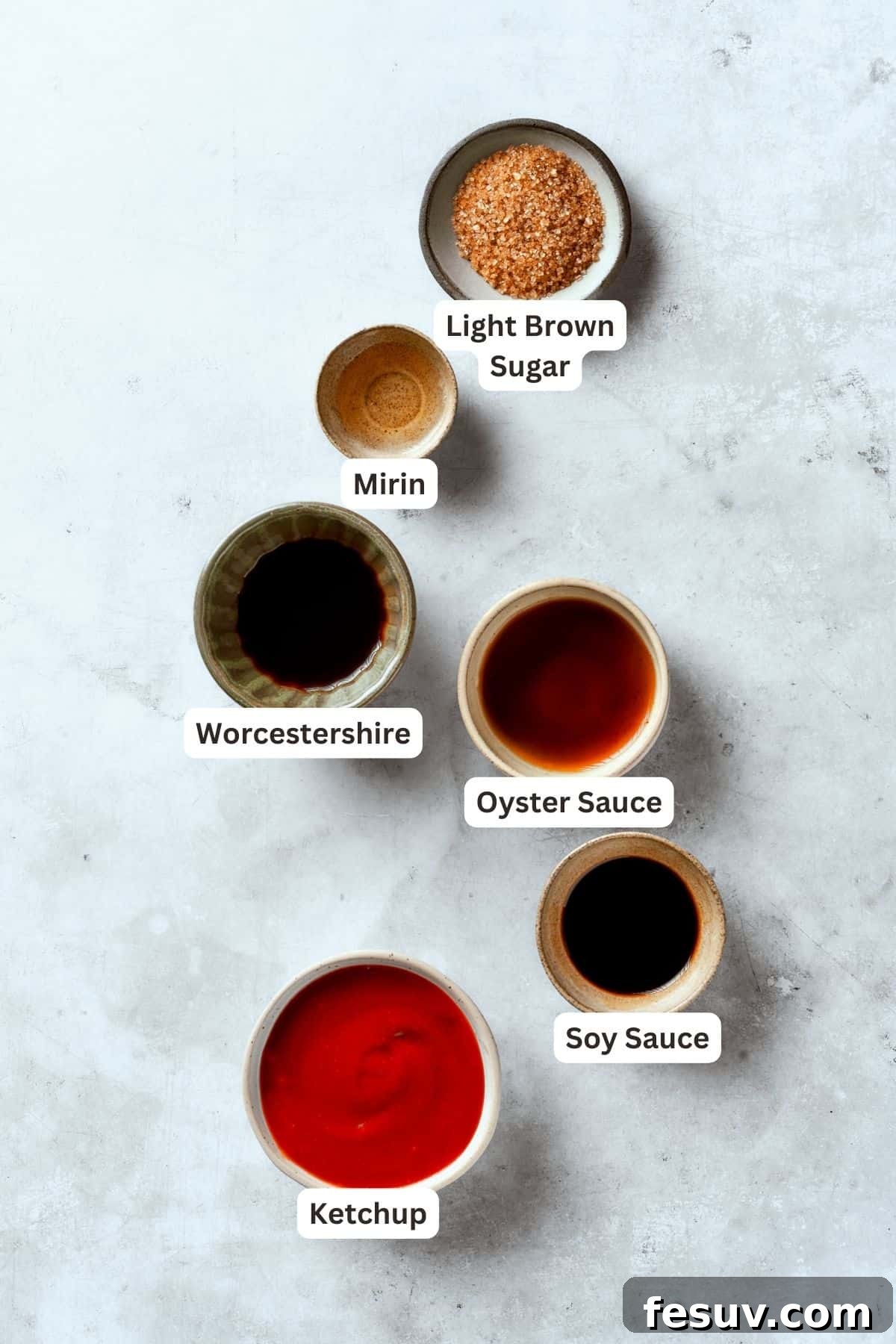
For the Homemade Tonkatsu Sauce:
- Soy Sauce: The cornerstone of many Asian sauces, providing a salty, umami depth. Both regular and low-sodium varieties work well, adjust to your preference.
- Ketchup: Adds a sweet and tangy tomato base, contributing to the sauce’s signature flavor and thickness. Use your preferred brand for consistent results.
- Worcestershire Sauce: A secret weapon for complex savory tang and a hint of spice, crucial for that authentic Tonkatsu depth.
- Oyster Sauce: Offers a rich, savory, and slightly sweet seafood flavor, contributing to the sauce’s umami profile. If unavailable, an equivalent amount of soy sauce can be substituted, though the flavor will be slightly different.
- Mirin: This sweet Japanese rice wine is indispensable for balancing the sauce with its delicate sweetness and subtle tang. If true mirin is hard to find, a dry sherry can serve as a suitable, though not identical, alternative.
- Brown Sugar: Provides additional sweetness and a molasses depth, enhancing the sauce’s richness. Light or dark brown sugar can be used interchangeably.
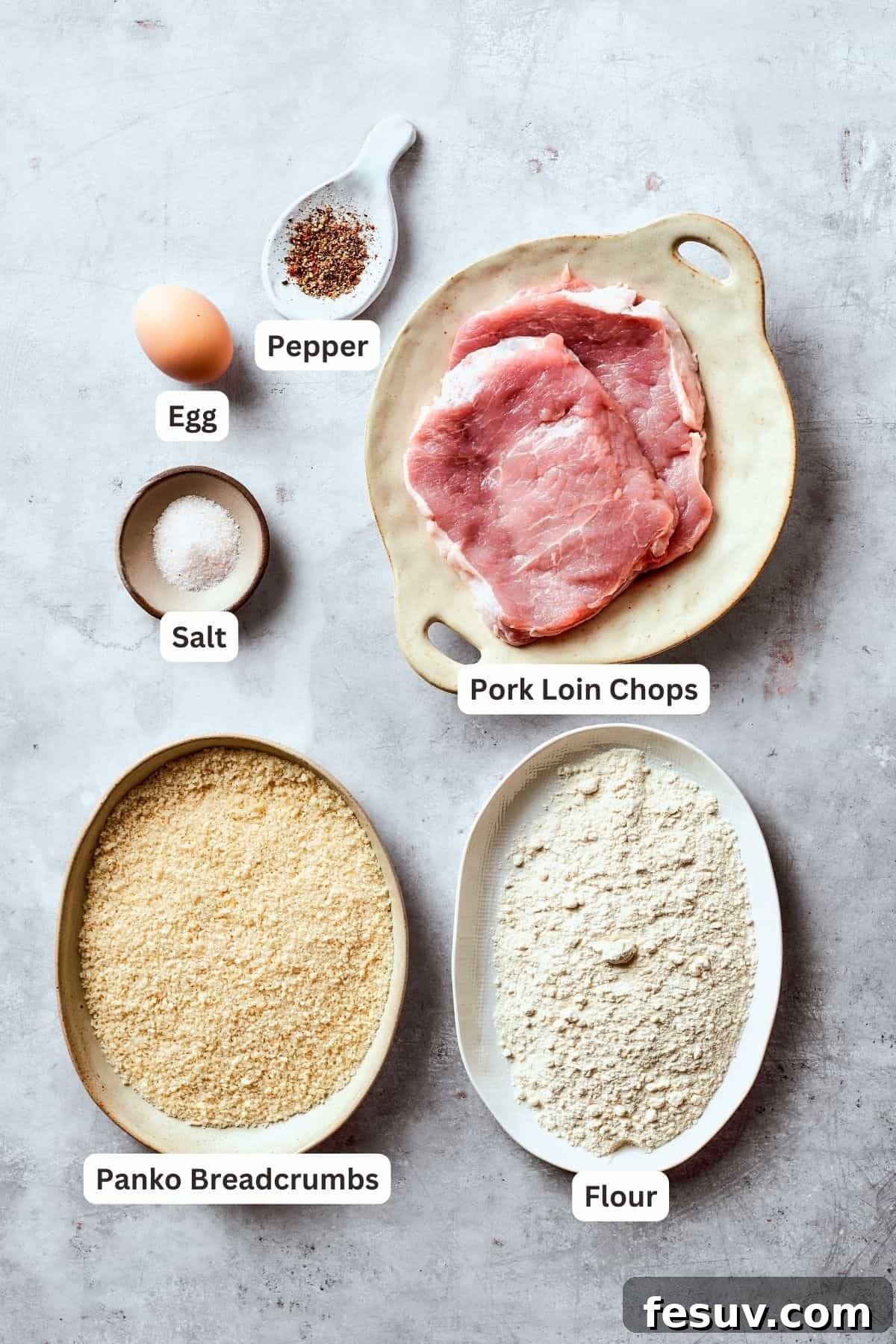
For the Crispy Pork Katsu:
- Pork Chops: Boneless pork loin chops, approximately 1 inch thick, are ideal for their lean tenderness and consistent cooking. They flatten well for even frying.
- Salt and Pepper: Simple seasonings are all you need to enhance the natural flavor of the pork before breading. Kosher salt and freshly ground black pepper are recommended.
- All-Purpose Flour: Forms the crucial first layer in our breading station, helping the egg adhere properly to the pork.
- Egg: A single large egg (or two medium eggs), lightly beaten, acts as the binder, allowing the panko breadcrumbs to stick firmly to the flour-dusted pork.
- Panko Breadcrumbs: These coarse, flaky Japanese breadcrumbs are absolutely essential for authentic Pork Katsu. Panko creates an exceptionally light and crispy crust that regular breadcrumbs simply cannot replicate.
- Oil: A neutral oil with a high smoke point, such as vegetable, canola, or peanut oil, is best for frying the pork to a perfect golden crisp.
For Serving:
- White Rice: Fluffy, freshly cooked white rice serves as the traditional and perfect accompaniment, soaking up the delicious Tonkatsu sauce. Brown rice can also be used for a healthier alternative.
- Green Cabbage: Finely shredded green cabbage provides a refreshing, crisp, and slightly bitter contrast to the rich, fried pork. Crisp iceberg lettuce can be substituted if cabbage is not available.
- Fresh Lemon Wedges: A squeeze of fresh lemon juice brightens the entire dish and cuts through the richness of the fried pork, adding a delightful zesty finish.
Mastering Homemade Pork Katsu: A Step-by-Step Guide
Creating authentic Japanese Pork Katsu at home is simpler than you might imagine. Follow these straightforward steps to achieve a dish that rivals your favorite restaurant version, featuring perfectly crispy pork and a rich, homemade sauce.
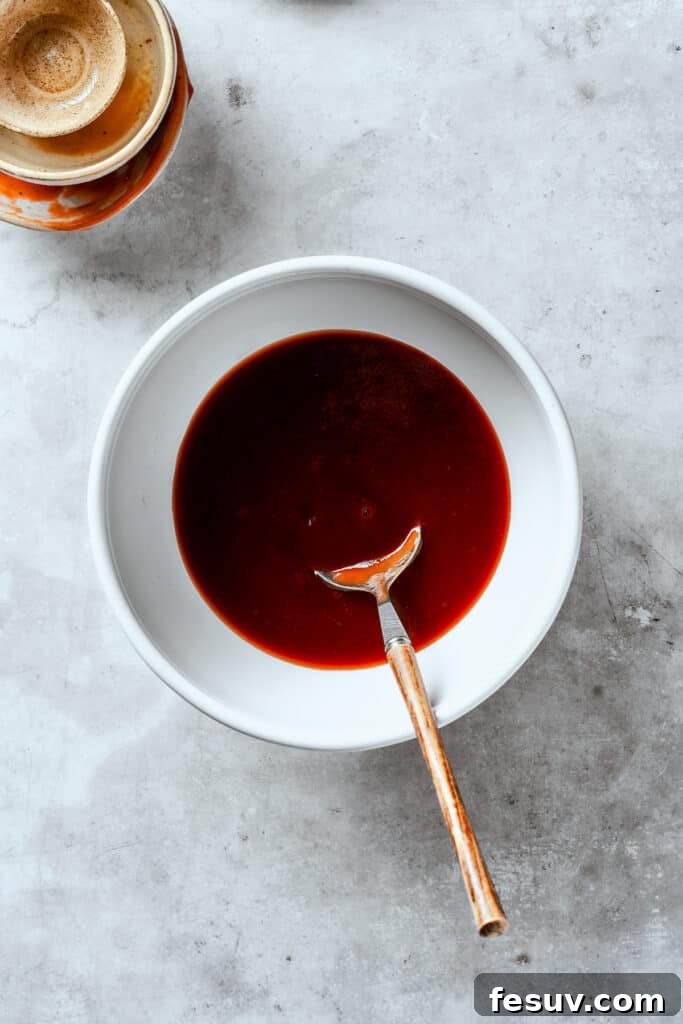
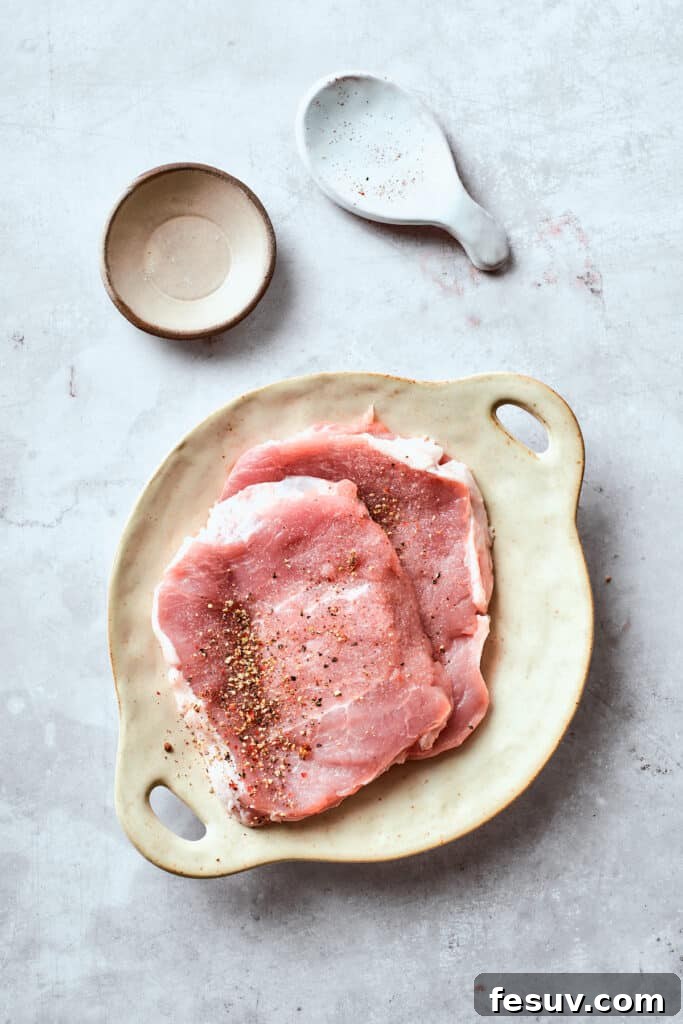
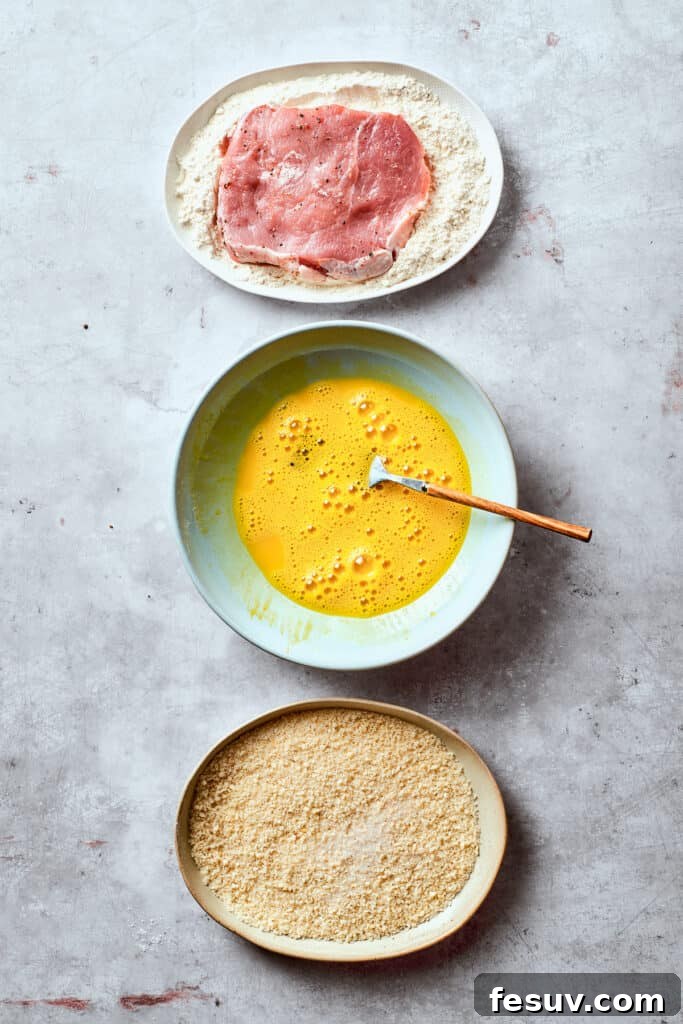
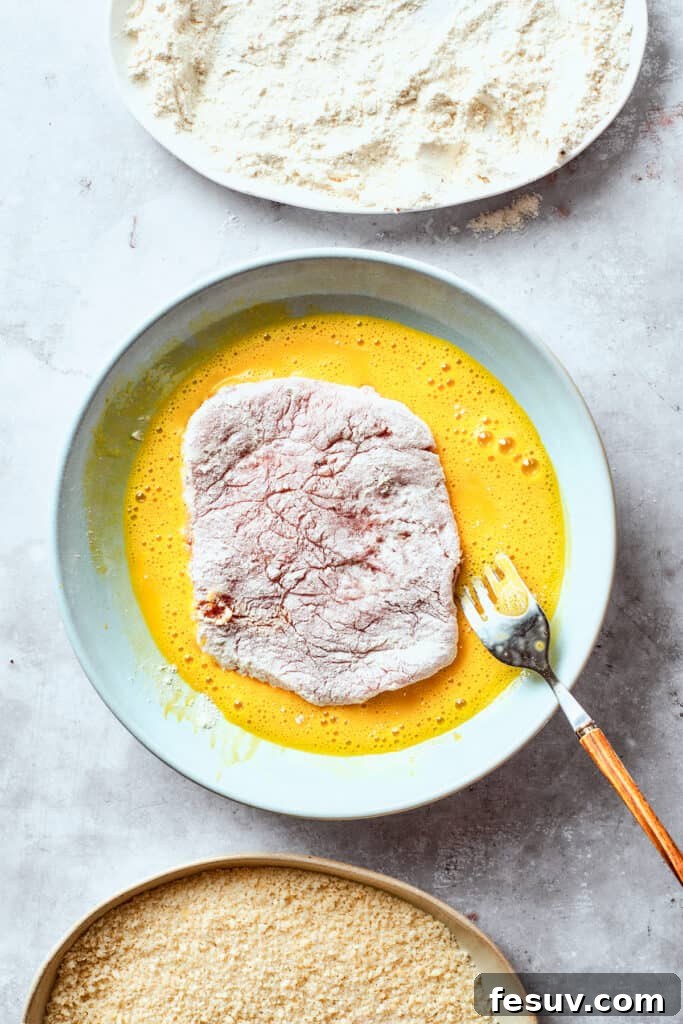
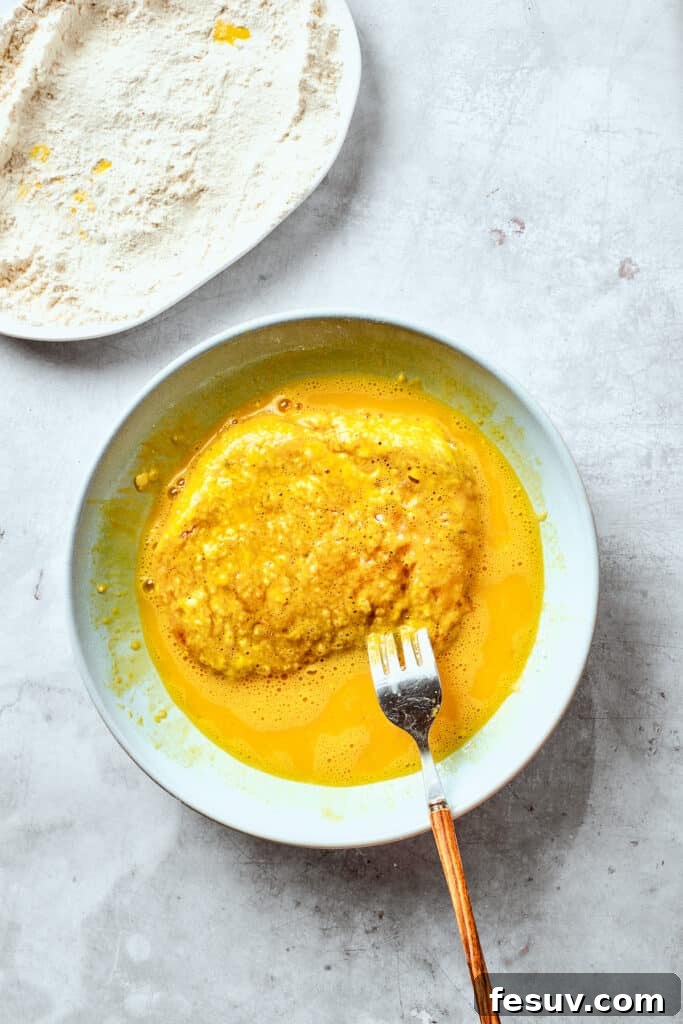
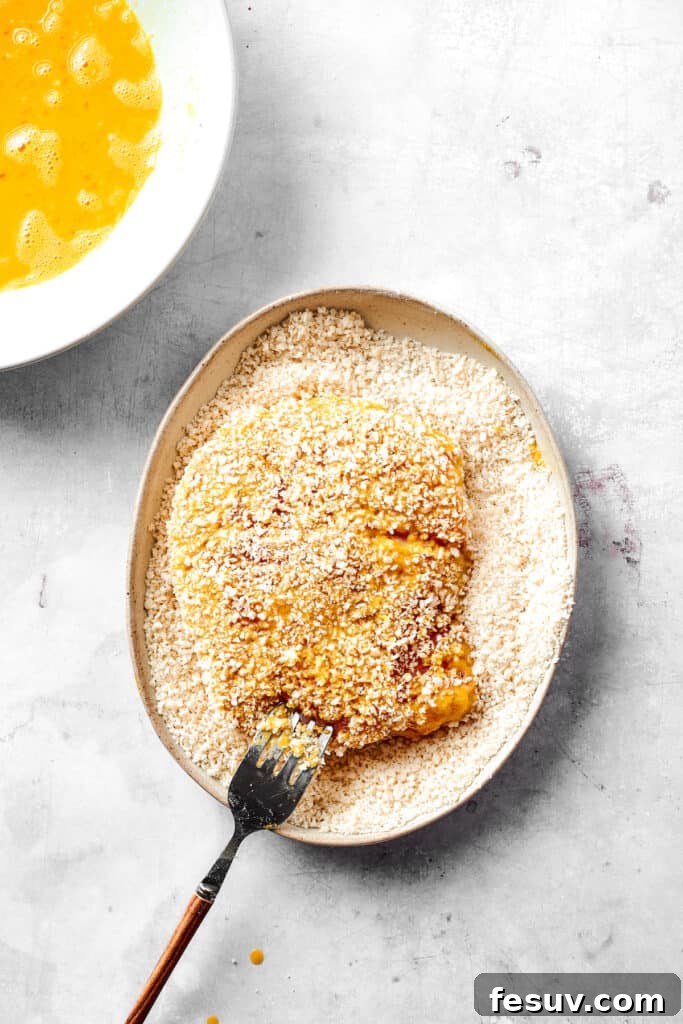
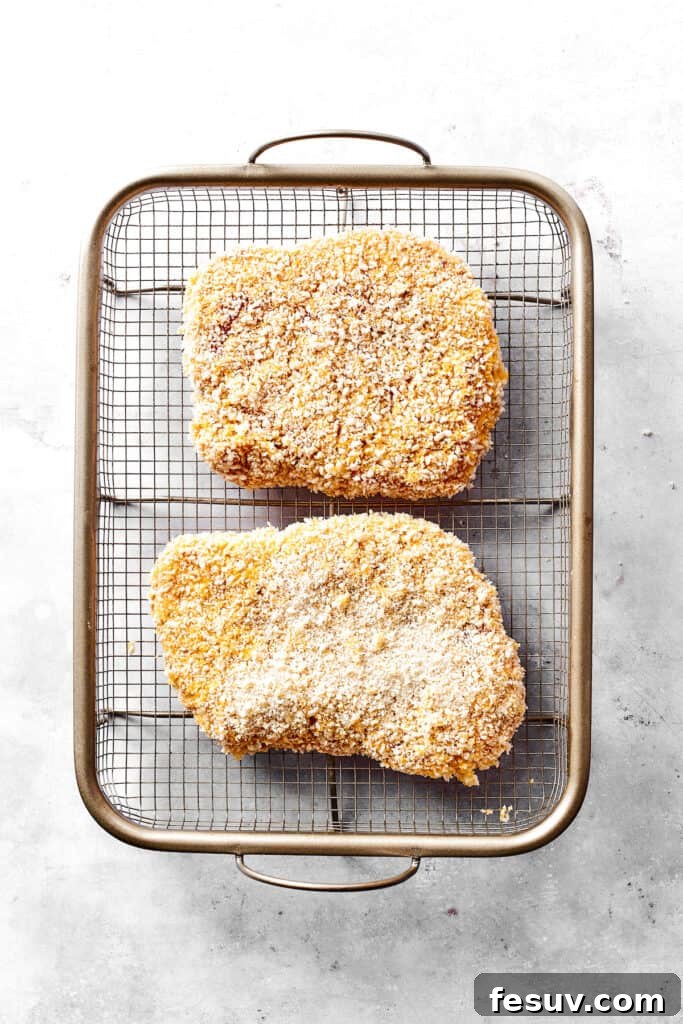

- Prepare the Tonkatsu Sauce: In a medium serving bowl, combine the soy sauce, ketchup, Worcestershire sauce, oyster sauce, mirin, and light brown sugar. Stir thoroughly until all ingredients are well blended and the sugar has dissolved. Taste and adjust to your preference – a little more sugar for sweetness, or a dash more Worcestershire for tang. Set this delicious sauce aside. It can be prepared in advance and stored in an airtight container in the refrigerator for up to two weeks, allowing the flavors to meld beautifully.
- Season the Pork: Take your boneless pork loin chops and generously sprinkle both sides with Kosher salt and freshly ground black pepper. Ensure an even coating to enhance the natural flavors of the meat from within.
- Set Up Your Breading Station: Arrange three shallow bowls or dishes side-by-side. In the first, place the all-purpose flour, seasoned with a pinch of Kosher salt and black pepper for an extra layer of flavor. In the second, pour the lightly beaten egg(s). In the third, add the Panko breadcrumbs, also seasoned with a pinch of salt. This organized setup is key for an efficient and clean breading process.
- First Coat – Flour and Egg: Take one seasoned pork chop and dredge it completely in the seasoned flour, shaking off any excess. The flour creates a dry surface for the egg to cling to. Next, dip the floured pork chop into the beaten egg, ensuring it’s fully coated, then let any excess egg drip off briefly.
- Second Coat – Repeat Flour and Egg: For an extra thick and robust crust, repeat the previous step once more. Dredge the pork chop again in the seasoned flour, and then dip it back into the beaten egg. This double coating helps create a stronger foundation for the panko.
- Final Coat – Panko Breadcrumbs: Now, carefully transfer the egg-coated pork chop into the bowl of seasoned Panko breadcrumbs. Press the panko gently but firmly onto both sides of the pork, ensuring it adheres thoroughly and evenly. Shake off any loose crumbs. Repeat this breading process for all remaining pork chops.
- Rest the Breaded Pork: Once all pork chops are breaded, place them on a wire rack set over a baking sheet. Allow them to rest for at least 5-10 minutes. This resting period helps the breading adhere better, preventing it from falling off during frying. While the pork rests, proceed to heat your frying oil.
- Heat the Frying Oil: In a large, heavy-bottomed skillet or Dutch oven, pour enough neutral oil (like vegetable or canola) to reach a depth of about 1 inch. Heat the oil over medium-high heat until it reaches a temperature of 350°F (175°C). Use a cooking thermometer to ensure accuracy – the correct oil temperature is crucial for crispy, non-greasy katsu.
- Fry to Golden Perfection: Carefully place 1-2 breaded pork chops into the hot oil, ensuring not to overcrowd the pan. Fry for approximately 5-6 minutes on each side, or until the pork is beautifully golden brown and cooked through. The internal temperature of the pork should register between 134°F and 140°F (57-60°C) with an instant-read thermometer. Once cooked, transfer the crispy pork katsu to a plate lined with paper towels to drain any excess oil, keeping it warm while you fry any remaining cutlets.
- Slice and Serve: Once all pork katsu is cooked, slice each cutlet into 1-inch thick strips. Arrange them artfully on plates, accompanied by a generous portion of freshly cooked white rice and a mound of thinly shredded green cabbage. Drizzle liberally with the homemade Tonkatsu sauce, and offer lemon wedges on the side for a zesty flourish. Serve immediately and enjoy the irresistible flavors!
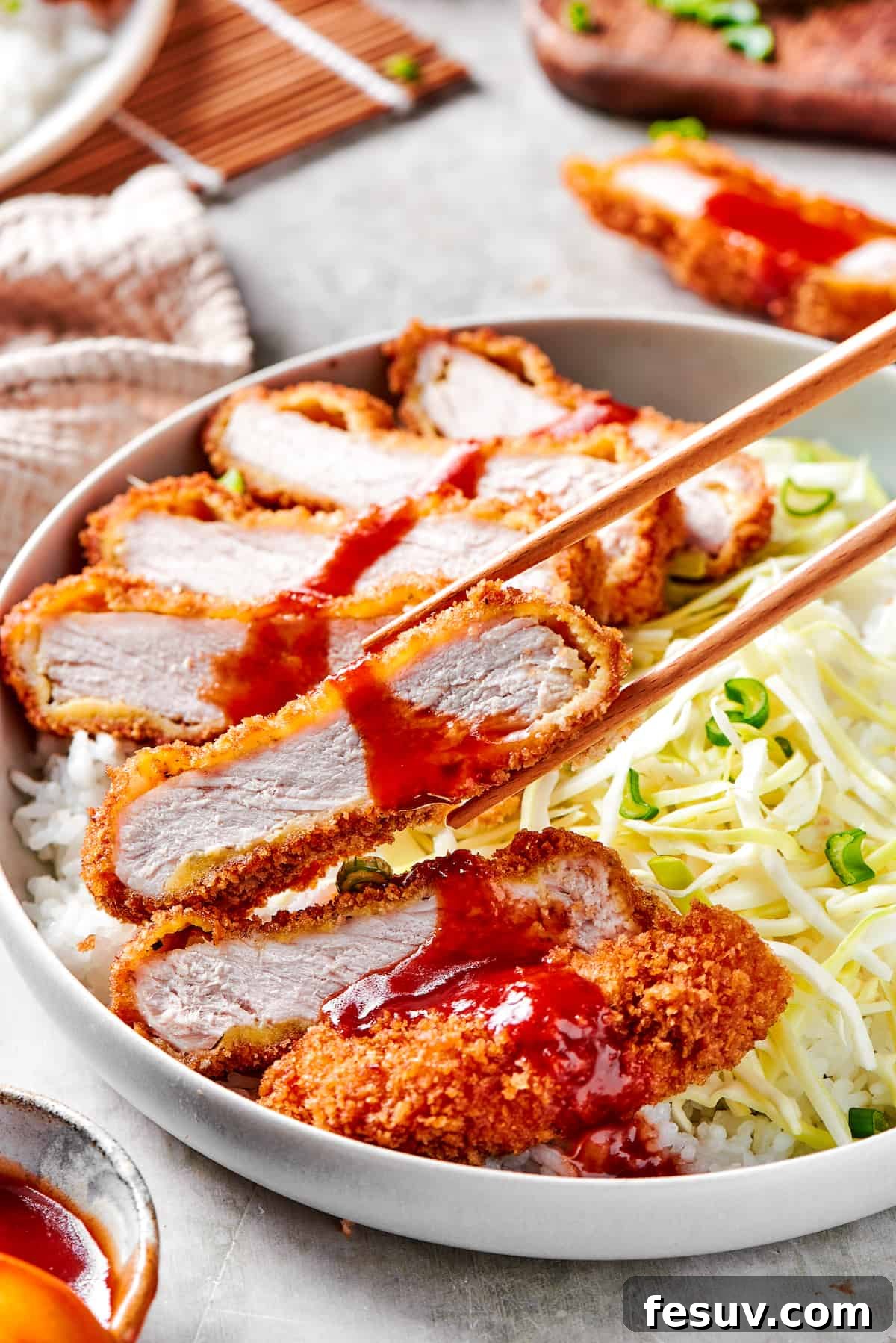
Expert Tips for the Crispiest, Juiciest Pork Katsu
Achieving restaurant-quality Pork Katsu at home is entirely possible with a few key techniques and considerations. Follow these expert tips to ensure every batch is a resounding success:
- Tenderize the Pork for Uniform Cooking: Before you even think about breading, take the time to tenderize your pork chops. Place each chop between two sheets of plastic wrap and pound it evenly with a meat mallet (or the flat side of a heavy pan) until it’s about ½-inch thick. This crucial step not only tenderizes the meat but also ensures a uniform thickness, allowing the pork to cook quickly and evenly without drying out, resulting in a perfectly tender and juicy cutlet.
- Ensure Thorough Cooking for Safety and Flavor: While we want crispy katsu, safety comes first. Always use an instant-read meat thermometer to verify that your pork has reached a safe internal temperature. The ideal range for tender, juicy pork is between 134°F to 140°F (57-60°C) for medium-rare to medium, as it will continue to cook slightly after removal from the oil. Remember, pork doesn’t need to be overcooked to be safe and delicious.
- The Non-Negotiable Power of Panko: For truly authentic and superior Pork Katsu, Panko breadcrumbs are an absolute must. Unlike regular breadcrumbs, Panko is made from crustless white bread and has a larger, flakier, and lighter texture. This unique structure means Panko absorbs less oil during frying, leading to an incredibly light, airy, and exceptionally crisp crust that stays crunchy longer. You can usually find Panko in the international aisle of most grocery stores or easily online.
- Broaden Your Katsu Horizons with Other Proteins: The beauty of the katsu method is its adaptability. Don’t limit yourself to pork! You can easily apply this technique to make equally delicious chicken or seafood katsu. For chicken katsu, opt for thin, boneless, skinless chicken breasts or cutlets, pounding them slightly thinner if needed. For a pescatarian twist, firm white fish like cod or snapper, or even salmon fillets, can be transformed into flaky, crispy delights using the same breading and frying process. Adjust cooking times accordingly for different proteins.
- Scaling Up the Recipe: This recipe is designed for two generous servings, but it’s incredibly easy to double or triple to feed a larger crowd. When cooking more than two pork cutlets, it’s a good practice to clean the frying oil between batches. Use a slotted spoon or fine-mesh sieve to carefully remove any stray breadcrumb bits that may have fallen off during frying. This prevents them from burning and keeps your oil clean, ensuring each subsequent batch of katsu achieves that beautiful golden-brown color and fresh flavor.
- The Bright Finish of Lemon Wedges: While Tonkatsu sauce is the quintessential accompaniment, a simple squeeze of fresh lemon juice before eating can make a world of difference. The bright, acidic notes of lemon cut through the richness of the fried pork and the sauce, adding a refreshing zest that cleanses the palate and enhances the overall flavor profile. Always place a bowl of fresh lemon wedges on the table for guests to add as they please.
- Maintaining Oil Temperature: Consistency is key when frying. Use a thermometer to keep your oil temperature steady at 350°F (175°C). If the oil is too cool, the katsu will absorb too much oil and become greasy. If it’s too hot, the breading will burn before the pork cooks through. Adjust your heat as needed between batches.
- Don’t Overcrowd the Pan: Fry only one or two cutlets at a time, depending on the size of your skillet. Overcrowding the pan will drastically lower the oil temperature, leading to soggy, oily katsu rather than crispy perfection.
- Drain Properly: After frying, immediately transfer the cooked katsu to a wire rack set over a baking sheet (not directly onto paper towels if possible, as this can trap steam and make the bottom soggy). This allows air to circulate, maintaining the crispness, while excess oil drips away.
Crafting a Complete Meal: Perfect Pairings for Pork Katsu
Pork Katsu is a incredibly versatile dish that can be the centerpiece of a simple, comforting meal or part of a more elaborate spread. The traditional pairing of fluffy white rice and a vibrant side of shredded green cabbage is always a winner, but here are some additional ideas to help you create a truly unforgettable dining experience:
- Rice Varieties to Complement: While classic white rice (such as long grain, Jasmine, or Basmati) is the go-to, don’t hesitate to experiment. Short-grain brown rice offers a nuttier flavor and chewier texture, while black or wild rice can add a striking visual contrast and earthy notes. For an unexpected but delicious twist, consider making our Garlic Butter Parmesan Rice and simply omit the cheese for a flavorful, savory rice base that perfectly complements the katsu.
- Essential Green Vegetable Sides: A fresh vegetable side is a must to balance the richness of the fried pork. Classic choices include simply steamed broccoli or asparagus. For more flavor, try our vibrant Sautéed Green Beans with garlic, robust Romano Beans, or sweet and savory Honey Balsamic Roasted Carrots. Each offers a different texture and flavor profile to round out your meal.
- Light and Refreshing Salads: A crisp salad provides a wonderful textural and flavor contrast. A simple Avocado Tomato Salad offers creamy avocado and juicy tomatoes with a light dressing, while a creamy Cucumber Salad with sour cream dressing provides a cool, tangy counterpoint. Consider a simple mixed green salad with a ginger-sesame dressing for an even more authentic Japanese touch.
- Sweet and Zesty Fruit Salads: For those who appreciate a refreshing, juicy finish, a fruit salad can be an excellent choice. Our easy Fruit Salad with Honey Lime Dressing brings together seasonal fruits with a bright, zesty dressing that cleanses the palate beautifully after a savory meal.
- Traditional Japanese Accompaniments: To lean into the Japanese theme, consider adding a small bowl of miso soup or some pickled ginger (gari) or daikon radish (tsukemono) for a sharp, tangy bite that aids digestion and brightens the palate.
Storing & Reheating Leftover Pork Katsu for Maximum Freshness
While Pork Katsu is always best enjoyed fresh and hot, leftovers can be a delightful treat if stored and reheated properly to maintain their crispness and flavor.
- Proper Storage: Once the pork katsu has cooled completely to room temperature, place any leftovers in an airtight container. Store it in the refrigerator for up to 3 days. For longer storage, you can freeze the cooked katsu for up to 3 months. To freeze, wrap individual pieces tightly in plastic wrap, then place them in a freezer-safe bag or container. When ready to reheat from frozen, it’s best to defrost the pork in the refrigerator overnight before proceeding with reheating.
- Reheating for Optimal Crispness: Reheating fried foods often poses the challenge of losing that coveted crisp exterior. For the best results, mimicking the original crunch, we highly recommend using an air fryer or a conventional oven:
- Air Fryer Method (Recommended): Preheat your air fryer to 350°F (175°C). Place the pork katsu in a single layer in the air fryer basket, ensuring not to overcrowd it. Air fry for about 5-8 minutes, flipping halfway through, or until it’s heated through and the breading is wonderfully crisp again.
- Oven Method: Preheat your oven to 375°F (190°C). Place the katsu on a wire rack set over a baking sheet. Bake for 10-15 minutes, flipping once, until heated through and crispy.
- Microwave Method (Least Recommended): While convenient, reheating pork katsu in the microwave will likely result in a softer, less crispy texture. If using the microwave, heat in short 30-60 second bursts until just warm to avoid drying it out. This method is best if you don’t mind a softer crust.
More Irresistible & Easy Pork Recipes to Explore
If you’ve enjoyed the simplicity and flavor of this Pork Katsu recipe, you’re in for a treat! Pork is an incredibly versatile protein that shines in a variety of dishes. Here are a few more easy-to-make pork recipes that are perfect for any weeknight or special occasion, offering diverse flavors and cooking methods to keep your meals exciting:
- Pork Loin Roast with Vegetables: A classic, comforting dish featuring a tender pork loin roasted to perfection alongside an array of vibrant, seasoned vegetables. It’s a complete meal in one pan!
- Juicy Grilled Pork Chops: Master the art of perfectly grilled pork chops that are incredibly tender and bursting with smoky flavor. Ideal for summer cookouts or a quick, healthy weeknight dinner.
- Honey Garlic Pork Chops: These quick-cooking pork chops are glazed in a luscious, sweet, and savory honey-garlic sauce. An absolute family favorite that comes together in minutes.

Pork Katsu
This juicy Pork Katsu recipe features crispy-fried breaded pork chops served with a delicious homemade Tonkatsu sauce.
Ingredients
For the Tonkatsu sauce:
- 2 tablespoons soy sauce
- 3 tablespoons ketchup
- 2 tablespoons Worcestershire sauce
- 1 tablespoon oyster sauce
- 1 tablespoon mirin
- 1 ½ tablespoons light brown sugar
For the Tonkatsu:
- 2 pieces boneless pork loin chops, about 1 inch thick
- ½ teaspoon Kosher salt, for seasoning the pork
- ½ teaspoon freshly ground black pepper, for seasoning the pork
- ¾ cup all-purpose flour
- ½ teaspoon Kosher Salt, for the flour
- ½ teaspoon freshly ground black pepper, for the flour
- 1 large egg or 2 medium eggs, beaten
- 1 cup Panko breadcrumbs, or Japanese breadcrumbs
- pinch of salt (for panko)
- oil for frying
For serving:
- 2 cups cooked white rice
- ¼ small green cabbage, thinly shredded
Instructions
-
Make the sauce. In a serving bowl, combine all ingredients for tonkatsu sauce: soy sauce, ketchup, Worcestershire sauce, oyster sauce, mirin, and light brown sugar. Set aside. You can store this sauce in an airtight container in the refrigerator for up to two weeks.
-
Season. Season the pork loin chops with Kosher salt and black pepper on both sides.
-
Breading station. Set up a breading station with three shallow bowls: one with all-purpose flour seasoned with Kosher salt and freshly ground black pepper, one with beaten egg, and one with Panko breadcrumbs seasoned with pinch of salt.
-
Coat. Dredge each pork chop in the flour, shaking off any excess. Dip the floured pork chops into the beaten egg, allowing any excess to drip off.
-
Repeat. Repeat the process once more: dredge the pork chops again in the flour, then dip them in the beaten egg.
-
Coat with panko. Coat the pork chops thoroughly with the seasoned Panko breadcrumbs, pressing gently to adhere. Shake off excess crumbs.
-
Prep. Prepare an oven baking tray to place the coated pork chops before frying.
-
Heat the oil. In a large skillet, heat oil over medium-high heat until it reaches 350°F (175°C).
-
Cook. Carefully place the breaded pork chops into the hot oil and fry for about 5-6 minutes on each side, or until they are golden brown and cooked through. Verify the internal temperature with a thermometer, ensuring it reads between 134°F to 140°F (57-60°C). Once cooked, transfer the pork to a plate lined with paper towels to absorb excess oil and keep it warm before slicing.
-
Serve. Slice the pork katsu into strips, serve them hot with cooked white rice and thinly shredded green cabbage, and drizzle with the tonkatsu sauce.
Nutrition
Nutritional info is an estimate and provided as courtesy. Values may vary according to the ingredients and tools used. Please use your preferred nutritional calculator for more detailed info.