
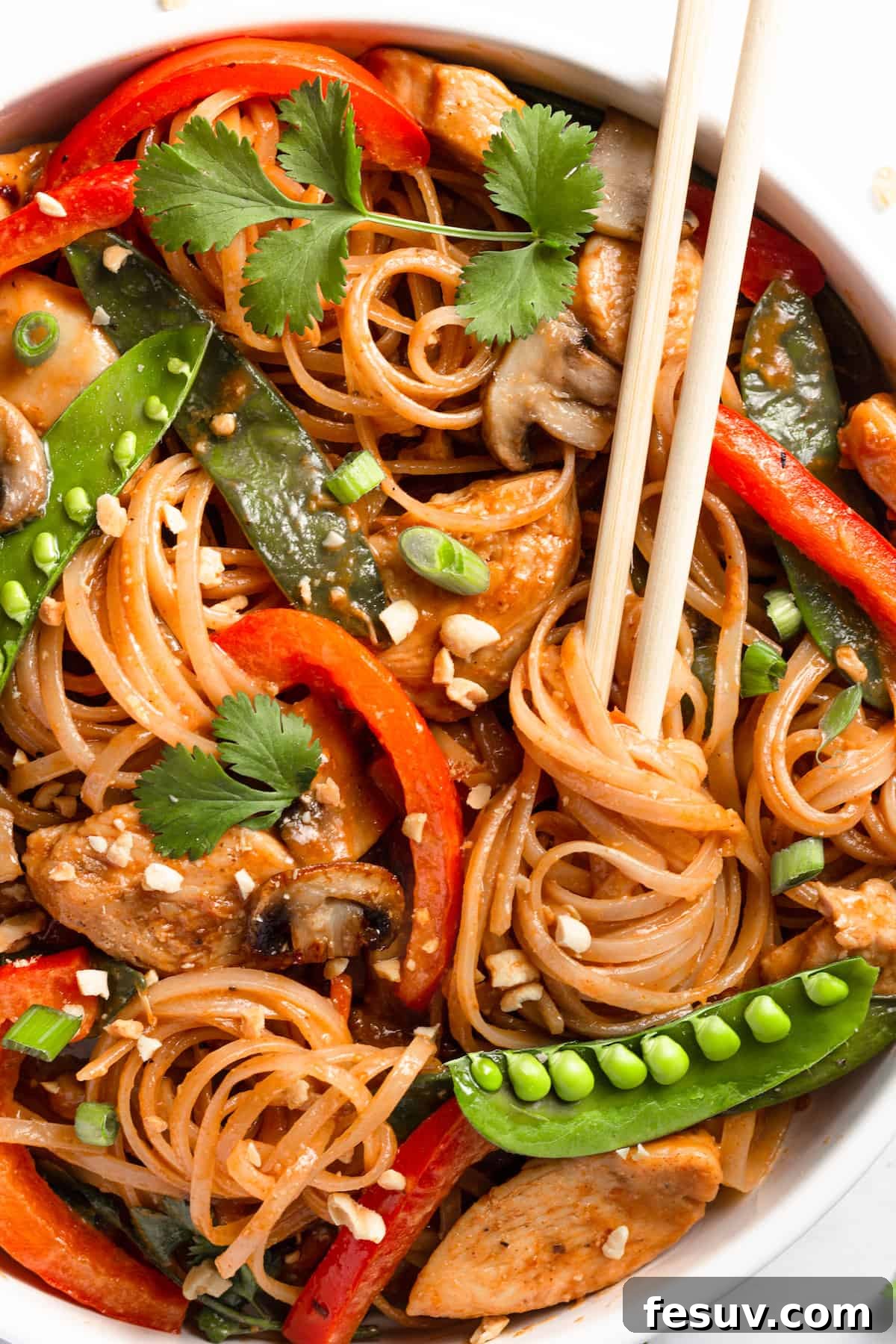
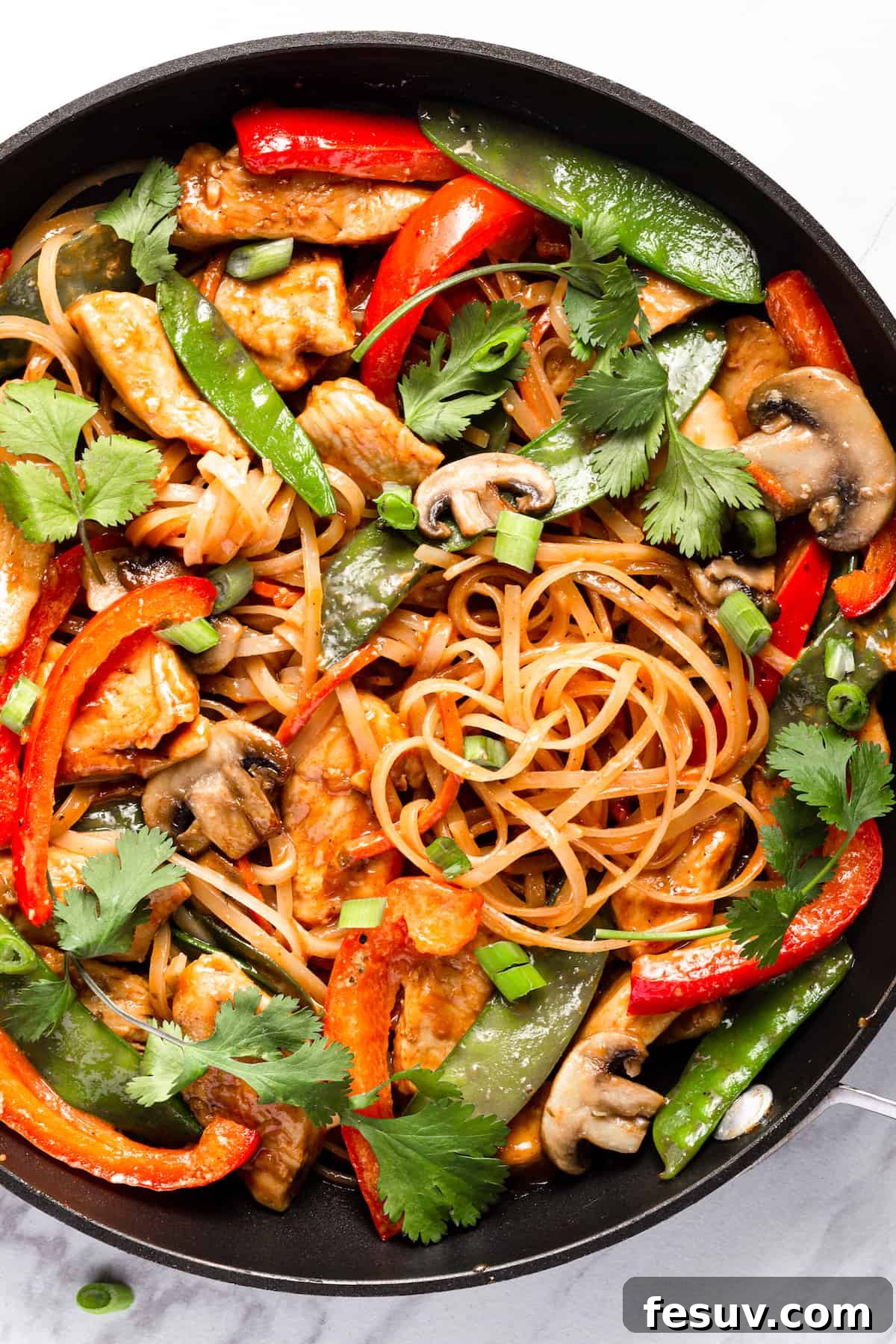
Transform your dinner routine with this irresistible recipe for Homemade Chicken Lo Mein, a classic Chinese-American dish that brings authentic takeout flavors right to your kitchen. Featuring tender chicken breast pieces, vibrant red bell peppers, earthy mushrooms, crisp snow peas, and crunchy carrots, all perfectly tossed with soft, savory lo mein noodles, this meal is a symphony of textures and tastes. It’s not just delicious; it’s a healthier, homemade alternative to your favorite takeout, promising a satisfying and easy weeknight dinner for the entire family.
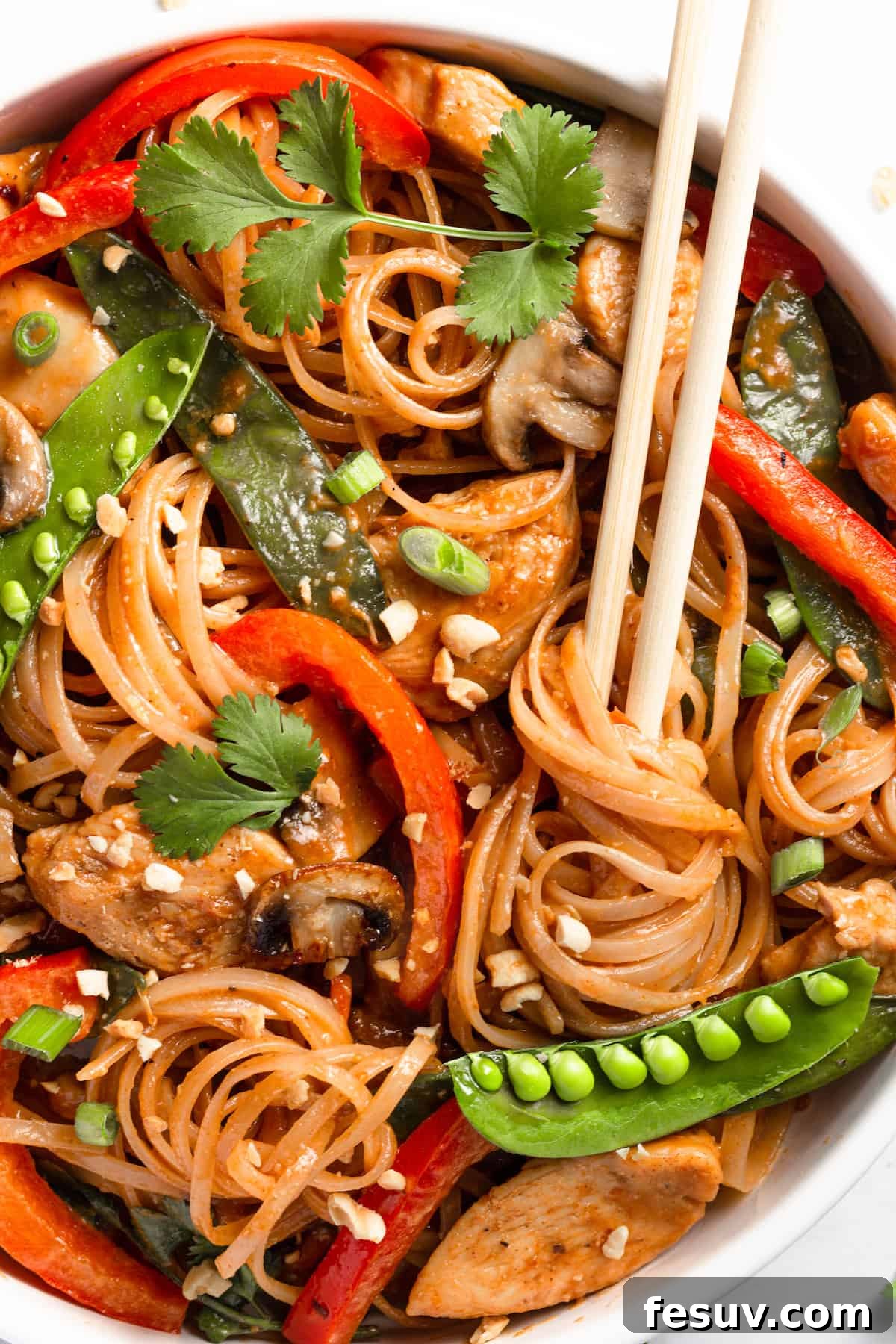
Crafting Your Own Takeout-Style Dinner at Home
Back in my college days, a quick call to the local Chinese restaurant was a common ritual. Among the many delectable options, from the spicy kick of red curry to the delicate balance of Moo Goo Gai Pan, it was always the generously portioned chicken lo mein that truly satisfied my hungry student cravings. There’s something uniquely comforting about those saucy noodles, tender chicken, and crisp vegetables.
While those memories are fond, these days I prefer to recreate my favorite Chinese dishes at home. Making Chicken Lo Mein from scratch offers several undeniable advantages: I can meticulously select fresh ingredients, control the amount of sodium and oil, and, of course, enjoy significant cost savings. This particular recipe is designed to be incredibly simple yet packed with authentic flavor, proving that healthy, delicious food doesn’t have to be complicated or expensive. Each bite delivers a harmonious blend of garlic, ginger, umami-rich soy sauce, and a hint of creamy peanut butter for that extra layer of savory depth.
Lo Mein vs. Chow Mein: Understanding the Noodle Difference
It’s a common point of confusion: what exactly is the difference between lo mein and chow mein? Interestingly, both dishes often use the same type of egg noodles, but their preparation methods create distinct textures and culinary experiences. This distinction is crucial to appreciating the unique characteristics of each dish.
Chow mein, which literally translates to “fried noodles,” typically features noodles that are either fried until crispy or stir-fried with the other ingredients, resulting in a drier, often crunchy texture. They might be served as a base for a saucy topping or integrated into a dry stir-fry. Think of the crispy noodle “omelets” or dishes where the noodles have a distinct bite.
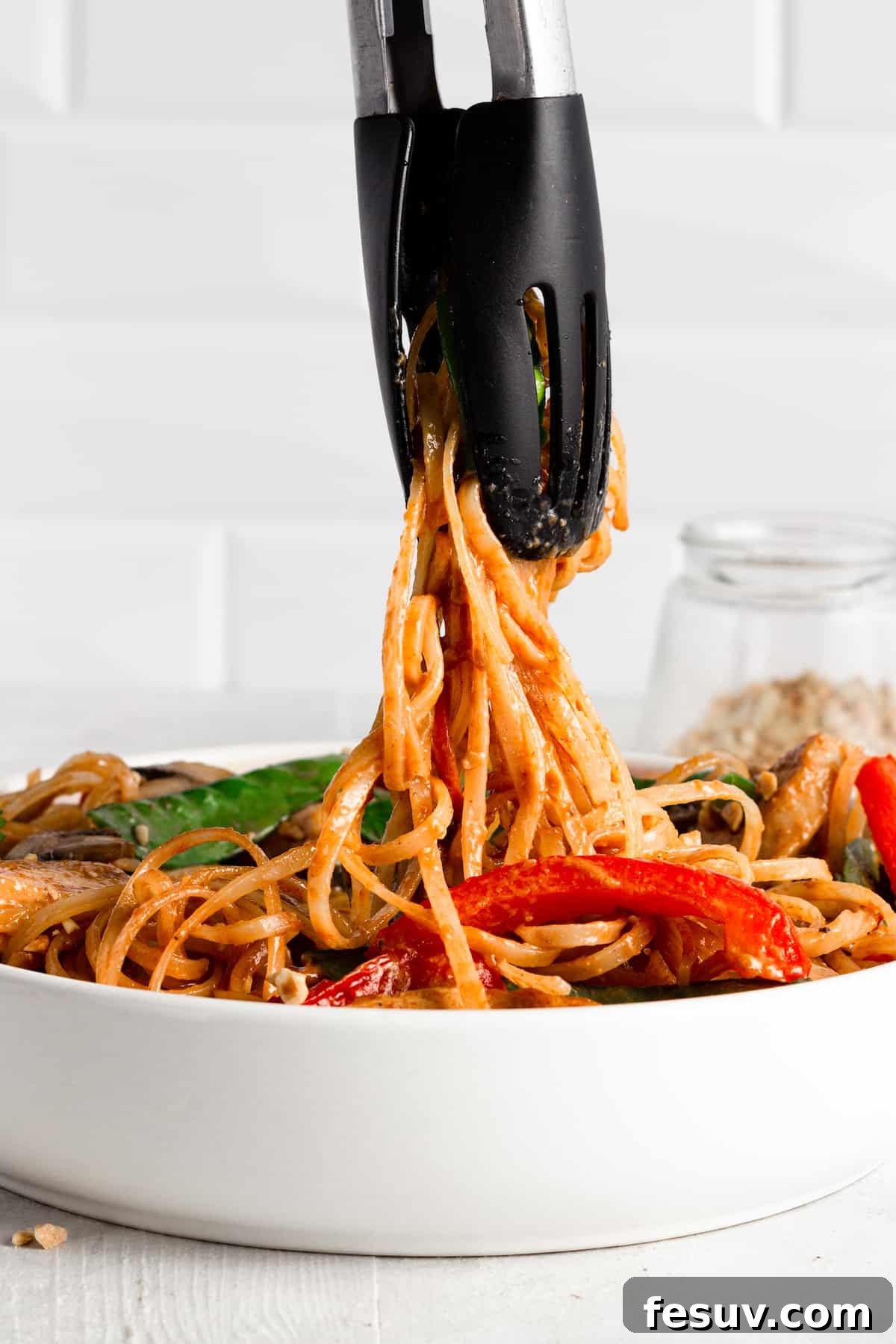
Lo mein, on the other hand, means “tossed noodles.” In lo mein, the noodles are boiled until perfectly tender, then tossed with a rich, savory sauce and other stir-fried ingredients. The noodles remain soft, allowing them to absorb the sauce’s flavors fully, creating a luscious and succulent dish. This recipe embraces the classic lo mein style, ensuring every strand of noodle is coated in a delicious, aromatic sauce.
Essential Ingredients for Perfect Chicken Lo Mein
Creating this flavorful dish requires a straightforward list of ingredients, most of which are readily available in any grocery store. The beauty of homemade lo mein lies in its flexibility, allowing you to customize it based on your preferences or what you have on hand. Here’s a detailed breakdown of what you’ll need to gather:
For the Chicken Lo Mein
- Noodles: The star of the show! You’ll need 16 ounces of dry lo mein noodles or similar rice sticks. Traditional lo mein noodles are ideal for their texture and ability to soak up sauce, but thick spaghetti or even ramen noodles (without the seasoning packet) can work in a pinch.
- Chicken: One pound of boneless, skinless chicken breast, cubed or thinly sliced. Chicken thighs can also be used for a richer flavor and moister texture. Ensure pieces are uniform in size for even cooking.
- Bell Pepper: One medium red bell pepper, sliced. Red bell peppers add a beautiful color and sweet flavor. Feel free to substitute with green, yellow, or orange peppers, or use a combination for a vibrant medley.
- Snow Peas: One cup of fresh snow peas, washed and drained. Their crisp-tender texture and slightly sweet flavor are quintessential to Asian stir-fries.
- Carrots: One cup of fresh carrot shreds or matchsticks. Carrots provide a touch of sweetness, a pleasing crunch, and a boost of nutrients. You can buy them pre-shredded to save prep time.
- Mushrooms: One cup of sliced baby bella mushrooms. Their earthy flavor complements the savory sauce beautifully. White button mushrooms or shiitake mushrooms are also excellent choices.
- Oil: Two tablespoons of extra virgin olive oil for cooking. A neutral oil like canola, vegetable, or peanut oil also works well for stir-frying at high temperatures.
- Sea Salt & Pepper: To taste. Simple seasonings enhance the chicken’s natural flavor before it’s combined with the sauce.
- Garnishes: Optional but highly recommended! Sliced green onions, fresh cilantro, or crushed peanuts add freshness, herbaceous notes, and a delightful crunch. Toasted sesame seeds are another fantastic addition.
For the Savory Lo Mein Sauce
The sauce is the heart of any great lo mein, bringing all the ingredients together with its rich, balanced flavor profile.
- Oil: Four tablespoons of extra virgin olive oil. This helps to emulsify the sauce and gives it a glossy finish. Other oils like sesame oil (for flavor), coconut oil, or peanut oil can also be used, depending on your preference.
- Soy Sauce: One-third cup of low-sodium soy sauce. Low-sodium is recommended to prevent the dish from becoming overly salty, allowing you to control the seasoning. Tamari is an excellent gluten-free alternative, and coconut aminos can be used for a soy-free option.
- Vinegar: One tablespoon of rice wine vinegar. This adds a subtle tang and brightness, balancing the richness of the soy sauce and peanut butter.
- Garlic: Three cloves of fresh garlic, minced or pressed. Fresh garlic is essential for an aromatic base; avoid garlic powder if possible for the best flavor.
- Sugar: One tablespoon of brown sugar. This sweetens the sauce and helps with caramelization. Maple syrup or honey can be used as healthier natural alternatives.
- Ginger: One tablespoon of ground ginger. Freshly grated ginger offers a more pungent and vibrant flavor, but ground ginger works perfectly for convenience.
- Peanut Butter: One and a half tablespoons of creamy peanut butter. This adds a wonderful nutty flavor, creamy texture, and helps to thicken the sauce slightly. Smooth peanut butter blends seamlessly, but crunchy can add a textural element if you prefer.
- Red Pepper Flakes: One-eighth teaspoon of red pepper flakes. This provides a subtle hint of heat. Adjust the amount to your desired spice level.
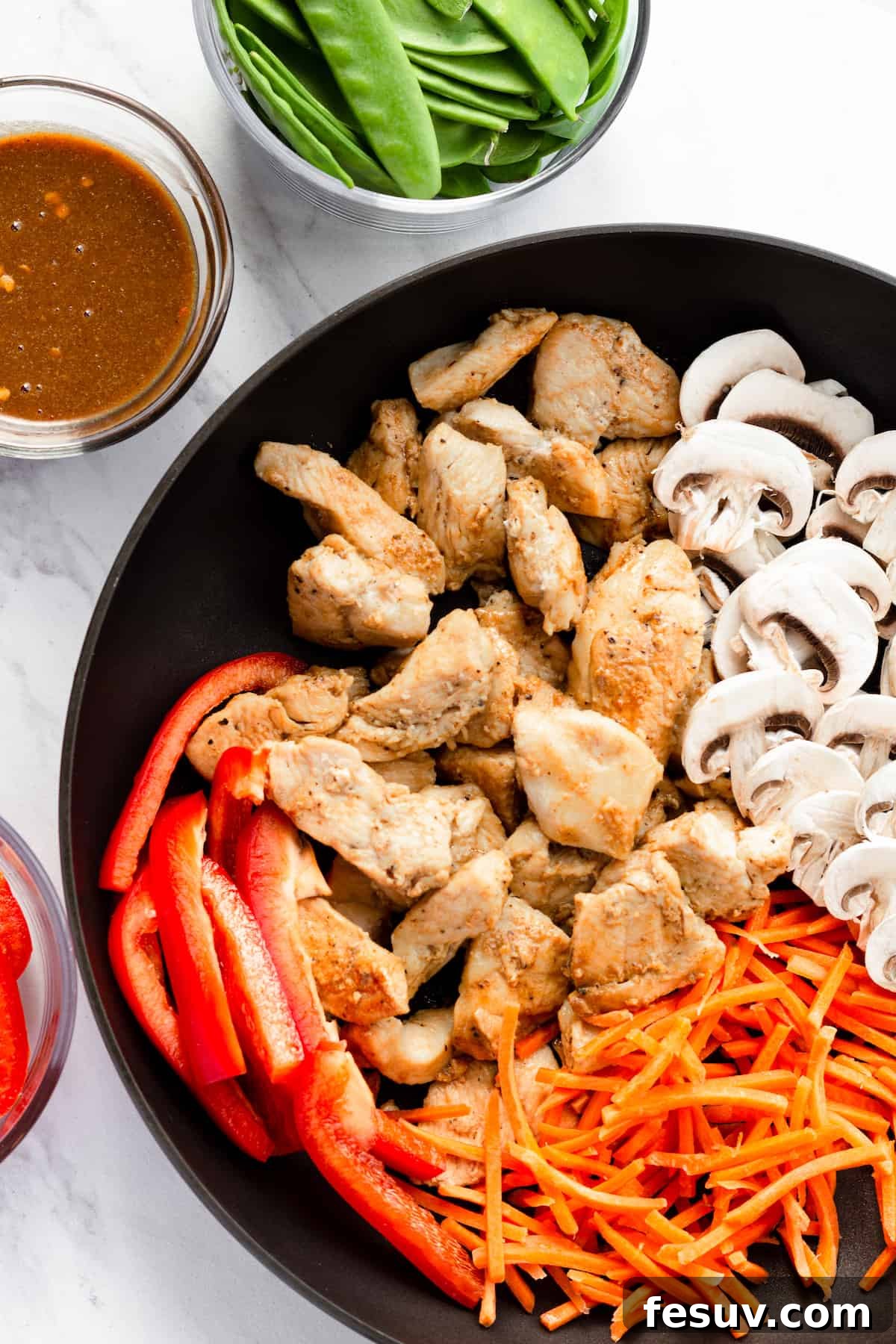
Step-by-Step Guide to Making Delicious Chicken Lo Mein
Preparing this Chicken Lo Mein is a surprisingly simple process, with most of the cooking happening in a single pan or wok. The key is to manage your time efficiently and have all your ingredients prepped before you start cooking.
- Prepare the Noodles: Begin by cooking your lo mein noodles according to the package directions. Most varieties will require boiling in salted water until al dente. Once cooked, drain them thoroughly and set them aside. You can toss them with a tiny bit of oil to prevent sticking if desired.
- Cook the Chicken: Drizzle two tablespoons of extra virgin olive oil into a large frying pan or a wok over medium-high heat. Add your cubed chicken breasts to the hot pan and season them generously with sea salt and black pepper. Sauté the chicken, stirring occasionally, until it’s cooked through and lightly golden brown on all sides. This typically takes about 5-7 minutes, depending on the size of your chicken pieces. Once cooked, remove the chicken from the pan and transfer it to a separate plate, reserving any juices.
- Sauté the Vegetables: Using the same pan (no need to clean it, the leftover chicken bits add flavor!), add a little more olive oil if necessary. Add the sliced red bell peppers, mushrooms, and carrot shreds. Sauté these vegetables for approximately 5 minutes over medium heat, stirring frequently, until they start to soften but still retain a slight crispness. Next, add the snow peas and continue to cook for another 2 minutes until they turn bright green and are tender-crisp.
- Whisk the Sauce: While the vegetables are cooking, prepare your flavorful sauce in a separate medium-sized bowl. Combine the remaining four tablespoons of olive oil, low-sodium soy sauce, rice wine vinegar, minced garlic, ground ginger, brown sugar, creamy peanut butter, and red pepper flakes. Whisk all the ingredients together thoroughly until the sauce is smooth and well combined. If the sauce appears too thick, you can thin it slightly with a teaspoon or two of water or a bit more olive oil.
- Combine and Finish: Reduce the stove heat to a low setting. Return the cooked chicken to the pan with the sautéed vegetables. Add the prepared lo mein noodles. Pour the whisked sauce evenly over all the ingredients. Using tongs or two spatulas, gently toss everything together until the noodles, chicken, and vegetables are thoroughly coated with the delicious sauce. Continue to cook on low heat for another 2-3 minutes, stirring gently, to allow the flavors to meld and ensure everything is nicely warmed through. Serve immediately, garnished as desired.
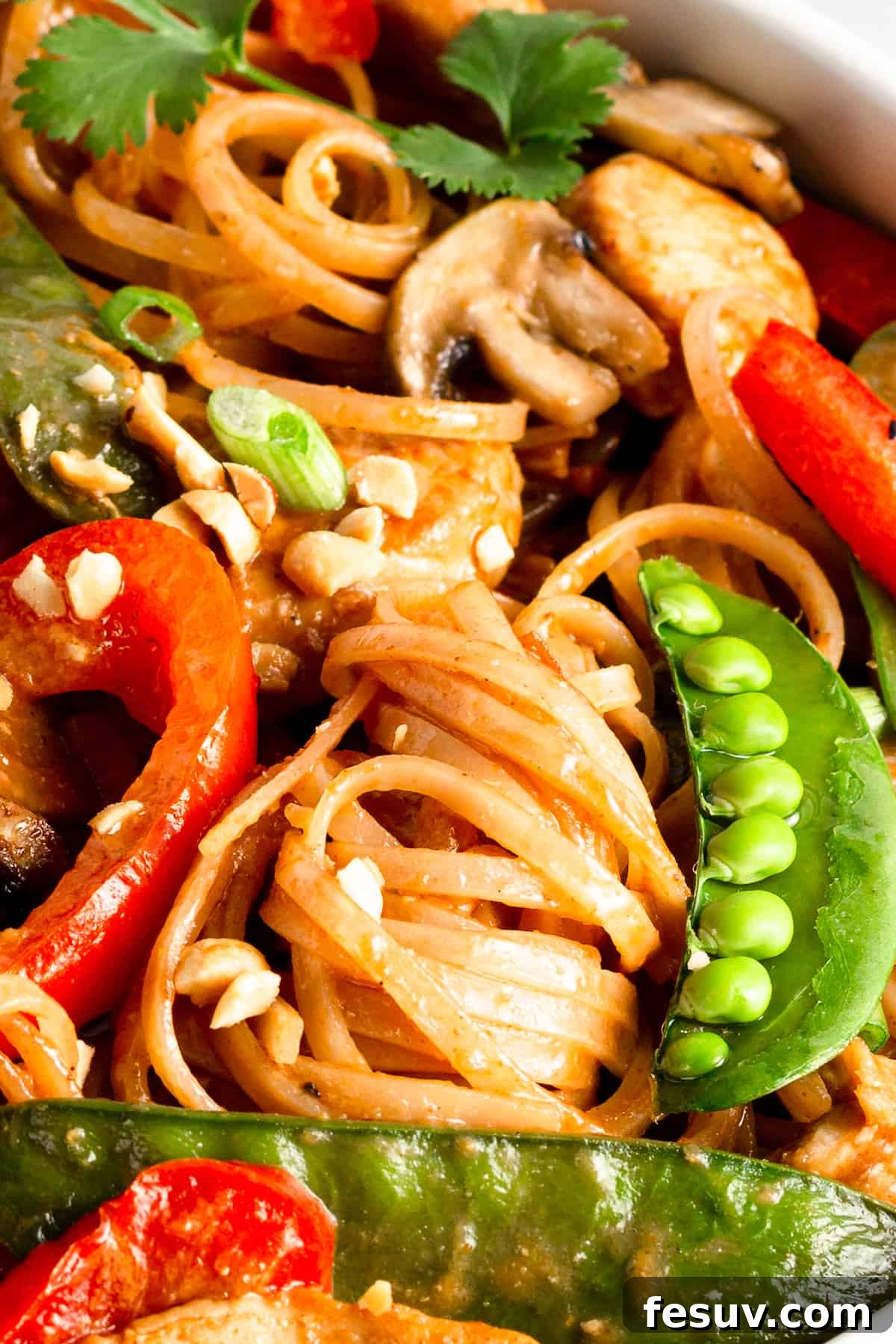
Expert Tips for the Best Homemade Lo Mein
Achieving restaurant-quality lo mein at home is easier than you think with these simple tips and tricks. Follow these guidelines to ensure your dish is flavorful, perfectly textured, and absolutely delicious!
- Embrace High Heat: Authentic stir-fries are typically cooked quickly over very high heat in a large carbon-steel wok. This intense heat is crucial for achieving that desired crisp-tender texture in vegetables and a beautiful sear on the protein, known as the Maillard reaction, which develops deep, savory flavors. To mimic this at home, use the largest skillet or wok you have and crank up the heat to medium-high or high. Make sure your pan is screaming hot before adding ingredients, and avoid overcrowding it, as this can steam the food instead of stir-frying it. Be mindful of hot oil spatters and use a splatter screen if necessary.
- Practice Mise en Place: This French culinary term means “everything in its place.” For stir-fries, this rule is paramount. Stir-frying is a rapid cooking method, leaving no time for chopping vegetables or searching for ingredients once the cooking has begun. Before you even turn on the stove, ensure all your chicken is sliced, vegetables are chopped, garlic and ginger are minced, and your sauce is whisked and ready. Having everything prepped and within arm’s reach will make the cooking process smooth, efficient, and enjoyable.
- Avoid Overcooking: The key to a truly great lo mein lies in the perfect texture of its components. Overcooked ingredients can quickly ruin the dish.
- Noodles: Cook your lo mein noodles until they are just al dente, meaning they still have a slight bite. They will continue to cook briefly when tossed with the sauce. Soggy, mushy noodles are a common pitfall.
- Chicken: Cook the chicken until it is just done, no longer pink inside, but still juicy and tender. Overcooked chicken becomes dry and tough.
- Vegetables: Aim for tender-crisp vegetables. They should retain some crunch and vibrant color, not be soft or mushy. Stir-fry them quickly, just until they reach this desired texture.
Paying attention to these details will ensure every bite of your homemade lo mein is a delight.
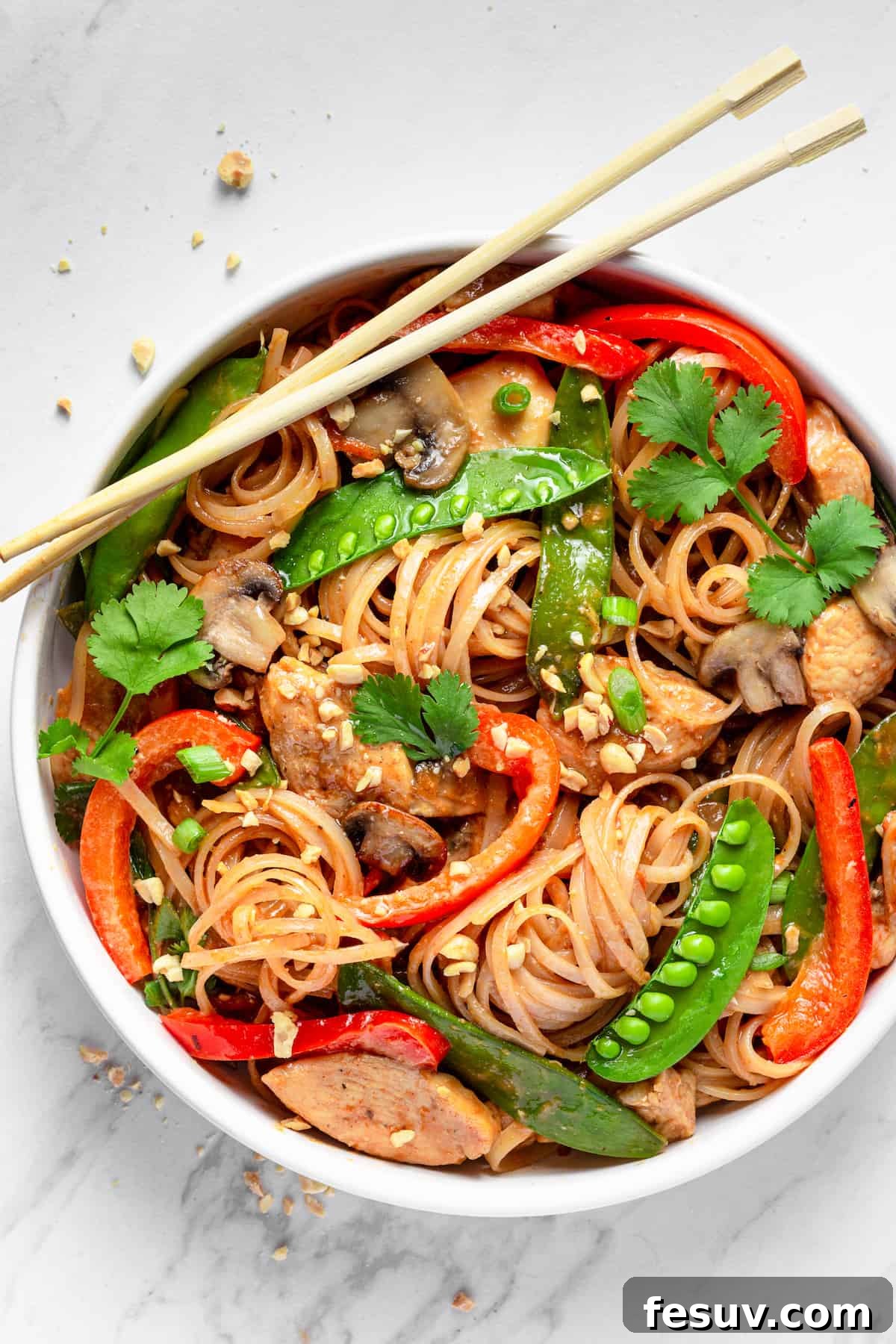
Complementary Serving Suggestions
This Chicken Lo Mein is a complete and satisfying meal on its own, packed with protein, carbohydrates, and plenty of vegetables. However, if you’re hosting a feast or simply want to expand your culinary adventure, here are some fantastic Asian-inspired side dishes that pair wonderfully with your oodles of delicious lo mein noodles:
- Shrimp Tempura: For a delightful appetizer or a complementary protein, crispy fried Shrimp Tempura are always a crowd-pleaser. Their light, airy batter and succulent shrimp offer a textural contrast to the soft noodles.
- Egg Drop Soup: A steaming bowl of classic Egg Drop Soup provides a light, comforting start to any Asian-style meal. Its delicate flavors and silky texture offer a soothing contrast to the more robust lo mein.
- Crab Rangoon Wontons: Indulge in crispy, creamy Crab Rangoon Wontons. These beloved appetizers, filled with a rich cream cheese and crab mixture, are perfect for a festive takeout night at home.
- Steamed Edamame: For a quick and healthy green side, serve steamed edamame, lightly sprinkled with sea salt. They’re packed with protein and fiber and offer a simple, refreshing balance.
- Crispy Spring Rolls: Classic crispy vegetable or pork spring rolls add another layer of crunch and flavor to your Asian-inspired dinner spread.
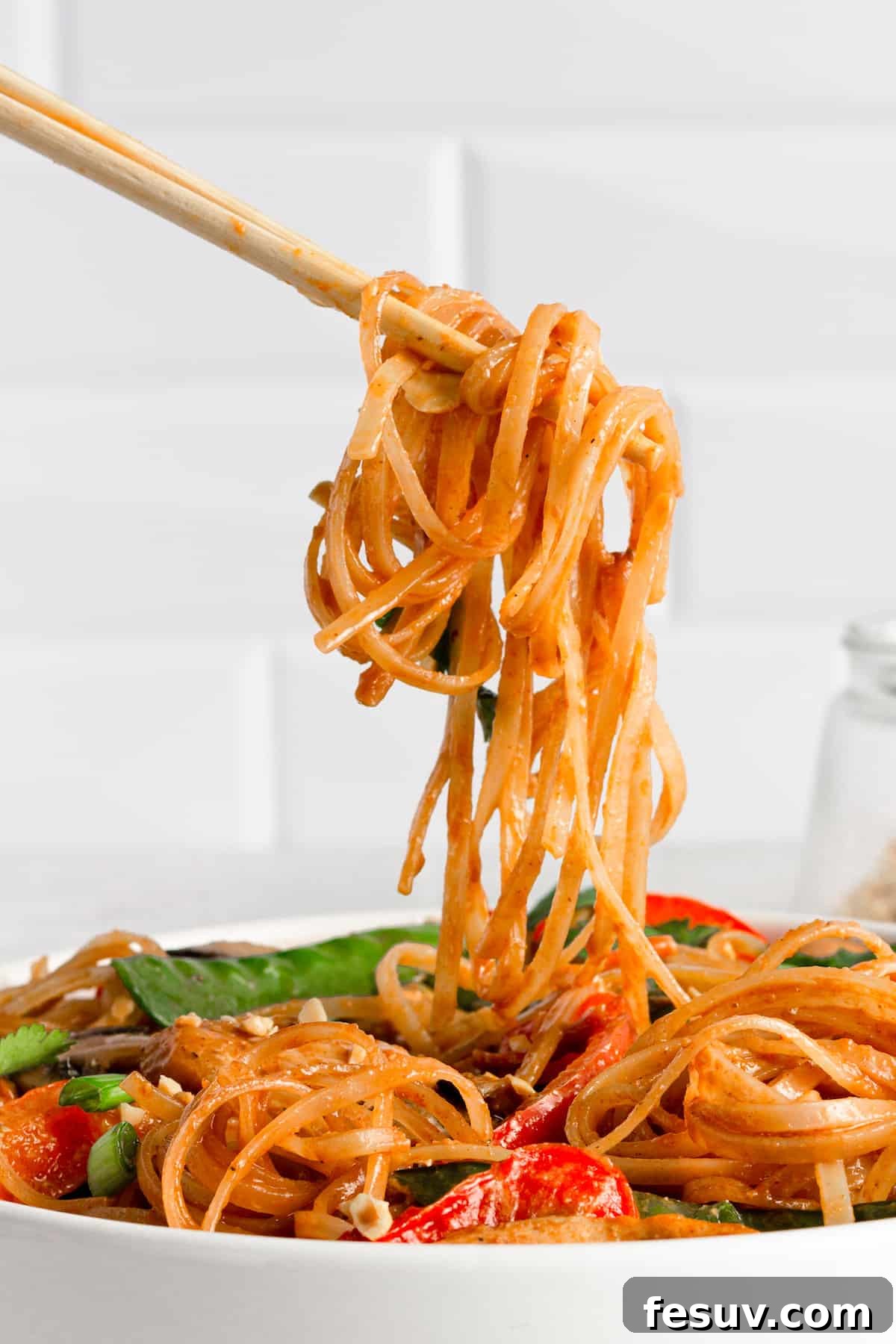
Storing and Reheating Your Delicious Leftovers
Chicken Lo Mein makes for excellent leftovers, often tasting even better the next day as the flavors continue to meld. Here’s how to properly store and reheat your dish to maintain its quality and taste:
- Storage: Allow the lo mein to cool completely to room temperature before transferring it to an airtight container. This prevents bacterial growth and keeps the noodles from becoming soggy. Store the container in the refrigerator for up to 3 days.
- Reheating: For the best results, reheat leftovers in a covered skillet over low to medium-low heat on the stovetop. Add a splash of water or chicken broth (about 1-2 tablespoons) to help rehydrate the noodles and sauce, preventing them from drying out. Stir occasionally until the lo mein is thoroughly heated through. You can also microwave individual portions, covering the dish with a microwave-safe lid or plastic wrap, and heating in 1-minute intervals, stirring in between, until hot.
Can I Freeze Chicken Lo Mein?
Yes, Chicken Lo Mein can be frozen, making it a fantastic option for meal prepping and quick future meals. While the texture of the vegetables might become slightly softer upon thawing and reheating, the overall flavor of the dish will remain excellent.
- Freezing: Once the lo mein has completely cooled, divide it into individual portions and pack them into freezer-safe bags or airtight containers. Press out as much air as possible from freezer bags before sealing to prevent freezer burn. Label with the date. Chicken lo mein can be safely frozen for up to one month.
- Thawing and Reheating: When you’re ready to enjoy, transfer the frozen lo mein to the refrigerator to thaw overnight. Once thawed, reheat it using the stovetop method described above for best results, adding a little extra liquid if needed.
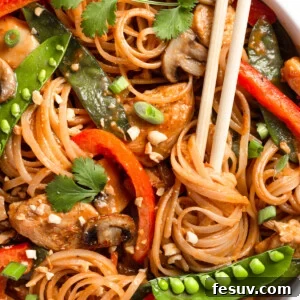
Chicken Lo Mein
by Katerina | Easy Weeknight Recipes
Tender cubes of chicken breast, slices of red bell pepper, mushrooms, snow peas and carrots mingle with warm lo mein noodles in this classic Chicken Lo Mein recipe.
Prep Time: 15 minutes
Cook Time: 15 minutes
Total Time: 30 minutes
Servings: 6
Ingredients
For the Chicken Lo Mein
- 16 ounces lo mein noodles or rice sticks
- 1 pound boneless chicken breasts, sliced or cubed
- 1 small red bell pepper, sliced
- 1 cup snow peas
- 1 cup carrot shreds
- 1 cup baby bella mushrooms, sliced
- 2 tablespoons extra virgin olive oil, for cooking
- Sea salt and pepper, to taste
- Green onion, cilantro, and/or crushed peanuts, optional, for garnish
For the Sauce
- 4 tablespoons extra virgin olive oil
- ⅓ cup low sodium soy sauce
- 1 tablespoon rice wine vinegar
- 3 cloves garlic, minced
- 1 tablespoon brown sugar
- 1 tablespoon ground ginger
- 1 ½ tablespoons peanut butter
- ⅛ teaspoon red pepper flakes
Instructions
- Boil your noodles according to the packaged directions, then set aside.
- Add a light drizzle of extra virgin olive oil to the bottom of a medium sized frying pan or wok. Add your cubed chicken breasts to the pan and season with salt and pepper. Saute on medium-high heat until the chicken pieces are cooked through. Remove chicken and place on a separate plate.
- In the same pan, add your sliced red peppers, mushrooms, and carrot shreds. Drizzle a little bit more olive oil on top of the vegetables and saute for roughly 5 minutes on medium heat. Next, add in your snow peas and cook for an additional 2 minutes.
- In a separate bowl, prepare the sauce by mixing together the olive oil, soy sauce, garlic, ground ginger, brown sugar, peanut butter and red pepper flakes. Mix until well combined. If the sauce seems too thick, you may add a little more olive oil.
- Turn the stove down to the low setting. Add the prepared noodles and cooked chicken to the frying pan with the vegetables. Pour the sauce evenly on top the lo mein and gently toss to combine. Heat on low for 2-3 minutes, until everything is nicely warmed.
Equipment
- Stove
Nutrition
Nutritional info is an estimate and provided as courtesy. Values may vary according to the ingredients and tools used. Please use your preferred nutritional calculator for more detailed info.
Explore More Asian-Inspired Recipes
If you’ve enjoyed crafting this delicious Chicken Lo Mein and are looking for more tantalizing takeout alternatives to prepare for your family, these flavorful Asian-inspired dishes are sure to delight your taste buds and expand your culinary repertoire:
- Slow-Cooker Asian Glazed Drumsticks: Effortlessly delicious drumsticks coated in a sticky, savory-sweet Asian glaze, perfect for a fuss-free meal.
- Easy Chicken Stir Fry: A versatile and quick-cooking dish packed with tender chicken and an array of colorful, crisp-tender vegetables, all coated in a light, savory sauce.
- Soy Sauce Glazed Flank Steak with Zucchini Noodles: A lighter, low-carb option featuring perfectly cooked flank steak in a rich soy glaze, served over fresh zucchini noodles.
- Homemade Spring Rolls: Crispy, fresh, and customizable, these can be filled with your choice of vegetables, shrimp, or chicken for a perfect appetizer.
- Spicy Szechuan Noodles: For those who love a bit of heat, Szechuan noodles offer a fiery and aromatic experience with a complex flavor profile.