
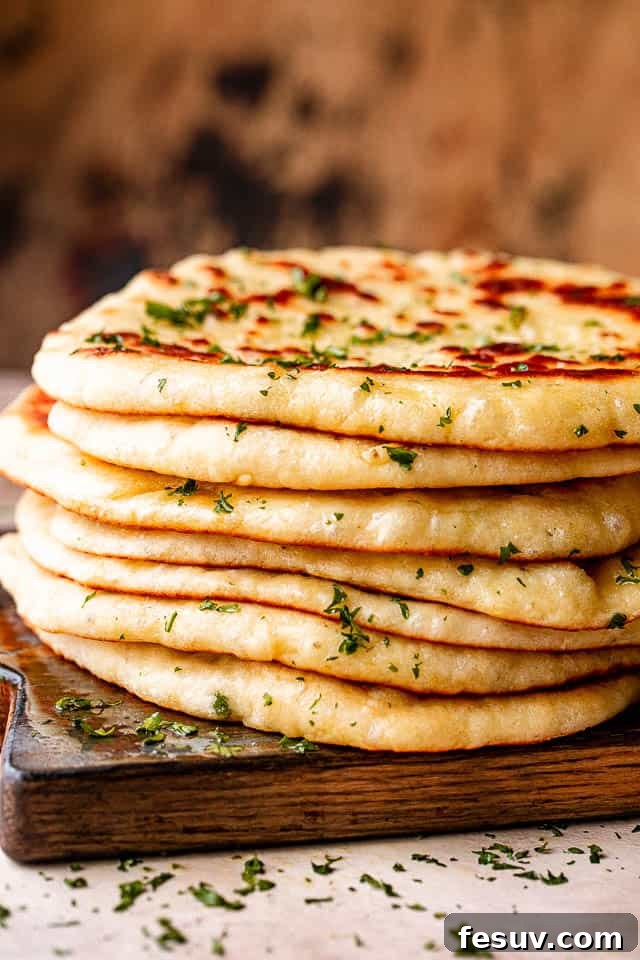
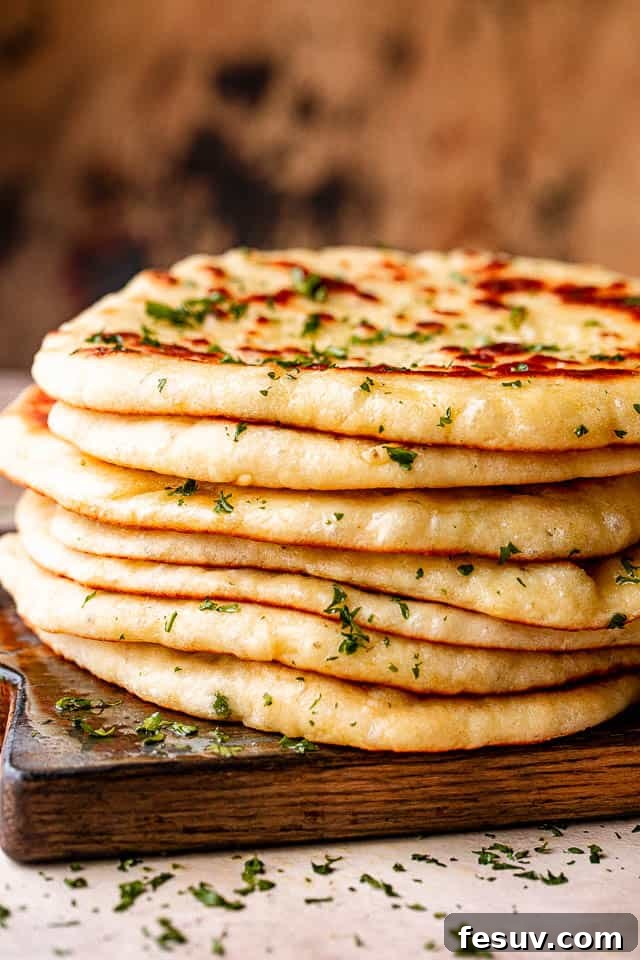
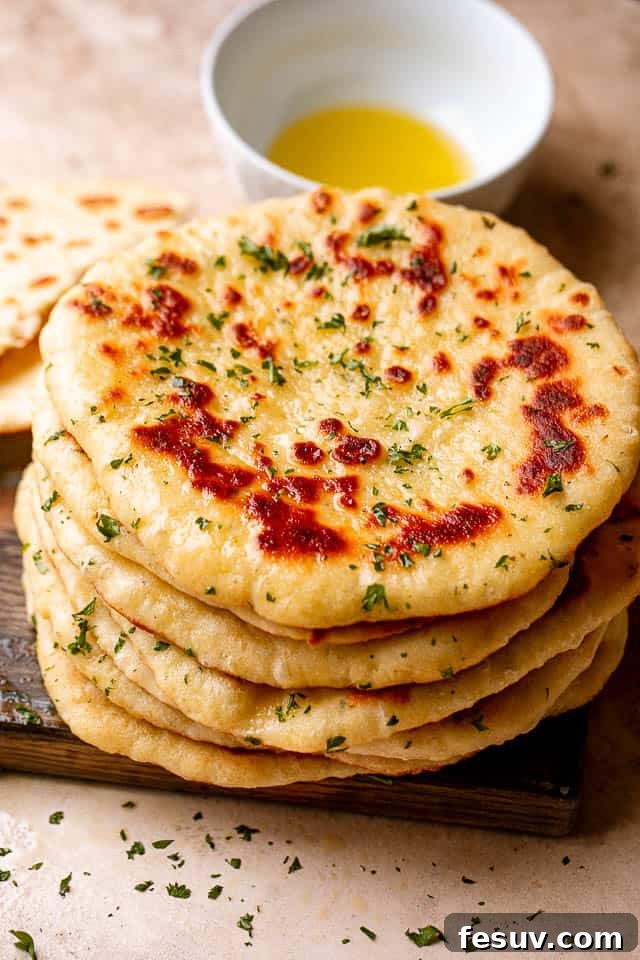
Unlock the secret to baking extraordinary homemade bread with this incredible Homemade Flatbread recipe. Crafted for ultimate softness, irresistible fluffiness, and rich, savory flavor, this flatbread is a true culinary delight. Drizzled with a touch of extra virgin olive oil and garnished with a sprinkle of fresh parsley, it transforms into a warm, inviting snack or a versatile side dish perfect for any meal. Forget store-bought options; once you experience the comfort and taste of freshly baked flatbread made from scratch, you’ll never look back.
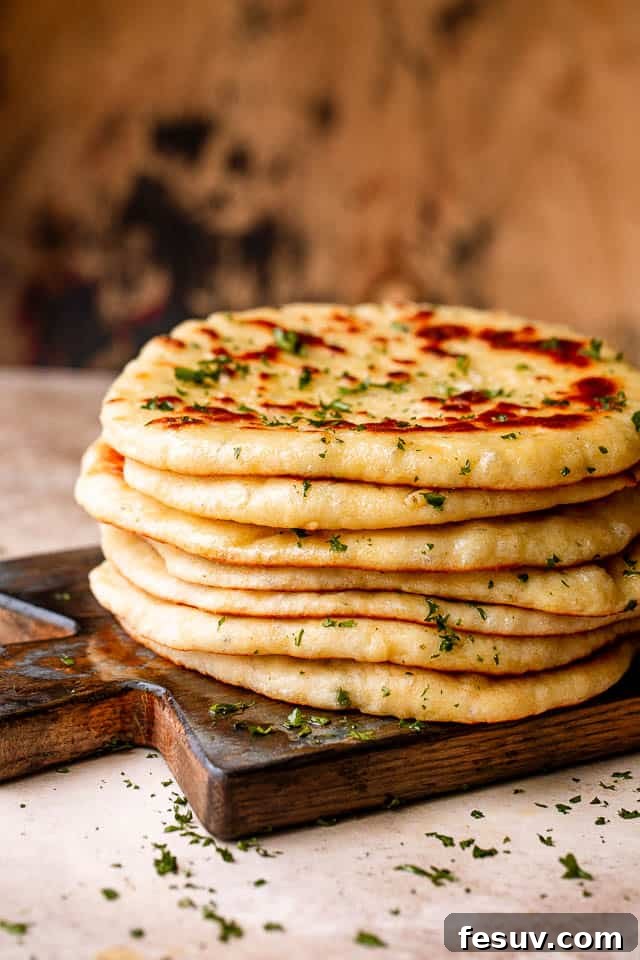
For me, a proud Macedonian who deeply appreciates the comforting embrace of carbohydrates, homemade flatbread isn’t just a dish—it’s a cherished staple and a heartfelt tradition. While many find solace in a crusty French baguette or a hearty sourdough loaf, my culinary soul gravitates towards the humble yet magnificent flatbread. Its versatility, tender texture, and incredible capacity to complement a myriad of flavors make it an indispensable part of my kitchen. This recipe brings that profound comfort and authentic taste right into your home, promising a baking experience that is both simple and deeply satisfying.
Why This Easy Flatbread Recipe Will Become Your New Favorite
Discovering the joy of baking your own flatbread is a journey worth taking, and this particular recipe stands out for several compelling reasons. It simplifies the bread-making process without compromising on taste or texture, making it accessible even for novice bakers. Here’s why this homemade flatbread will quickly earn a permanent spot in your recipe collection:
- Effortlessly Simple to Master: Unlike many traditional bread recipes that demand extensive proofing times and the precision of an oven, this flatbread is remarkably straightforward. It requires minimal rising and is expertly cooked on a skillet, eliminating the common anxieties associated with oven-baked goods. This means less waiting and more enjoying!
- Bursting with Unforgettable Flavor: The secret behind this flatbread’s superior taste, delightful tanginess, and wonderfully fluffy texture lies in one unassuming yet transformative ingredient: plain yogurt. The yogurt not only contributes to the dough’s incredible tenderness but also imparts a subtle, pleasant tang that elevates the overall flavor profile beyond what you might expect from a simple bread.
- A Guaranteed Kid-Pleaser: There’s something universally appealing about warm, freshly baked bread, and children are particularly enchanted by homemade flatbread. Its inviting aroma, soft texture, and delectable taste make it an instant hit with the little ones. It’s a fantastic way to introduce them to the delights of homemade cooking and a surefire way to gather the family around the table.
- Incredibly Versatile: Whether served as an accompaniment to a hearty meal, a vehicle for dips, or the base for creative toppings, this flatbread adapts beautifully to various culinary applications. It’s truly a blank canvas for your culinary imagination.
Exploring the World of Flatbread: Flatbread vs. Naan
The terms “flatbread” and “naan” are often used interchangeably, but understanding their distinction enriches our appreciation for these diverse culinary traditions. Flatbread is an expansive category of bread, typically unleavened or lightly leavened, characterized by its flattened shape. It’s a global phenomenon, found in countless cuisines across the Middle East, Mediterranean, Asia, and beyond. Examples include Mexican tortillas, Italian piadina, Greek pita, Indian roti, and the iconic naan itself.
Naan, specifically, is a type of leavened flatbread popular in Central and South Asian cuisines. What sets naan apart is its typical use of yeast (or a sourdough starter) and sometimes yogurt, which contributes to its signature fluffy, chewy texture and slightly tangy flavor. It’s traditionally cooked in a tandoor oven, giving it characteristic smoky bubbles and a soft interior. So, while all naan is flatbread, not all flatbread is naan. This particular recipe, with its inclusion of yeast and yogurt, shares many characteristics with traditional naan but offers the convenience of skillet cooking, making it an accessible and equally delicious homemade option.
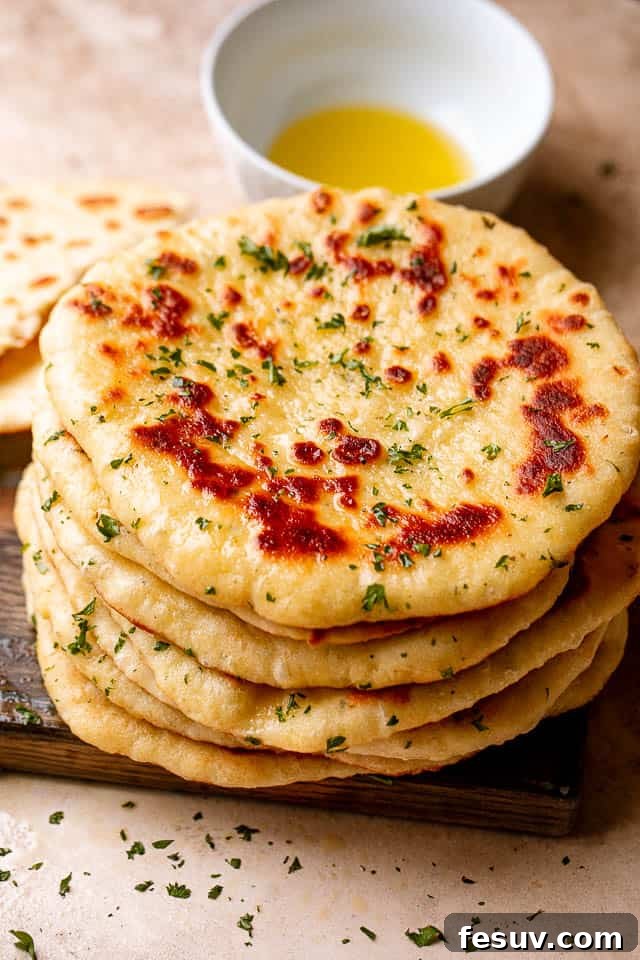
Essential Ingredients for Your Perfect Flatbread
Creating this delicious flatbread requires a few simple ingredients, each playing a crucial role in achieving that sought-after soft, fluffy, and flavorful result. You likely have most of these staples in your pantry already, making this recipe a convenient choice for any day of the week.
- Lukewarm Water: The precise temperature of the water is vital for activating the yeast. Aim for around 105˚F (40˚C). A quick 30-second zap in the microwave usually does the trick. Water that’s too cold won’t activate the yeast, and water that’s too hot can kill it, preventing your dough from rising properly.
- Active Dry Yeast: This leavening agent is what gives our flatbread its wonderful lift and airy texture. Small packets are readily available in the baking aisle of most grocery stores, ensuring freshness for occasional bakers.
- Sugar: A small amount of sugar acts as food for the yeast, helping it to activate and work more efficiently, contributing to a quicker and more robust rise.
- Plain Yogurt: This is the star ingredient that truly sets this flatbread apart. Ensure you use plain, unflavored yogurt (no vanilla or fruit!). Full-fat yogurt is recommended for the best flavor and texture, as it adds moisture, tenderness, and a delightful subtle tang that makes the flatbread uniquely delicious.
- Olive Oil: Used in the dough for richness and pliability, and for brushing the flatbreads during cooking to achieve a beautiful golden exterior and prevent sticking. Choose a good quality extra virgin olive oil for superior flavor.
- Aromatic Seasoning: A blend of dried basil, oregano, garlic powder, and salt infuses the flatbread with Mediterranean-inspired flavors, enhancing its savory appeal. Feel free to adjust these to your personal preference.
- All-Purpose Flour: The foundational ingredient that provides structure to the dough. While specific types of flour can alter texture, all-purpose flour works wonderfully for this recipe, delivering a consistently soft crumb.
- Fresh Parsley: This is an optional but highly recommended garnish. A sprinkle of freshly chopped parsley adds a burst of color and a fresh, herbaceous note that beautifully complements the warm flatbread.
How to Craft Your Own Irresistible Homemade Flatbread
Embark on the journey of making your own soft and flavorful flatbread with these easy-to-follow steps. The process is designed to be straightforward, ensuring a rewarding baking experience from start to finish.
- Activate the Yeast: In a generously sized mixing bowl, combine the lukewarm water, active dry yeast, and sugar. Give it a gentle whisk to combine everything, then set the mixture aside for 8 to 10 minutes. This crucial step allows the yeast to activate, and you’ll know it’s ready when the surface becomes visibly foamy. This indicates your yeast is alive and ready to leaven your dough!
- Combine the Wet & Dry: To the activated yeast mixture, whisk in the plain yogurt, olive oil, salt, dried basil, dried oregano, and garlic powder. Once these wet ingredients are well combined, gradually add the all-purpose flour and fresh parsley. Stir everything together with a sturdy wooden spoon until a cohesive dough forms. It might appear a bit shaggy at this stage, which is perfectly normal.
- Knead for Perfection: Lightly dust your clean work surface (like a kitchen counter) with a sprinkle of flour. Turn the dough out onto this floured surface and begin to knead it gently for about 4 minutes. Kneading develops the gluten, which is essential for the flatbread’s structure and chewiness. If the dough feels too sticky during kneading, add a little more flour, one tablespoon at a time, until it becomes smooth and pliable, but still soft.

- Divide and Shape: Once the dough is smooth, divide it into 10 equal pieces. For best results and even cooking, consider using a kitchen scale to ensure each piece weighs approximately the same. Roll each piece into a small, uniform ball.
- A Brief Rest: Arrange the dough balls on a lightly floured surface, cover them with a clean kitchen towel, and let them rest for 15 minutes. This short rest allows the gluten to relax, making the dough much easier to roll out evenly.
- Prepare Your Pan: While the dough is resting, preheat a frying pan (a cast-iron skillet works exceptionally well) over medium-low heat. It’s important to allow the pan to heat thoroughly to ensure even cooking and a beautiful crust.
- Roll and Oil: Take one of the dough balls and, using a rolling pin, roll it out into a circle about 7 inches in diameter. Aim for an even thickness. Lightly brush the top surface of the rolled-out dough with olive oil.
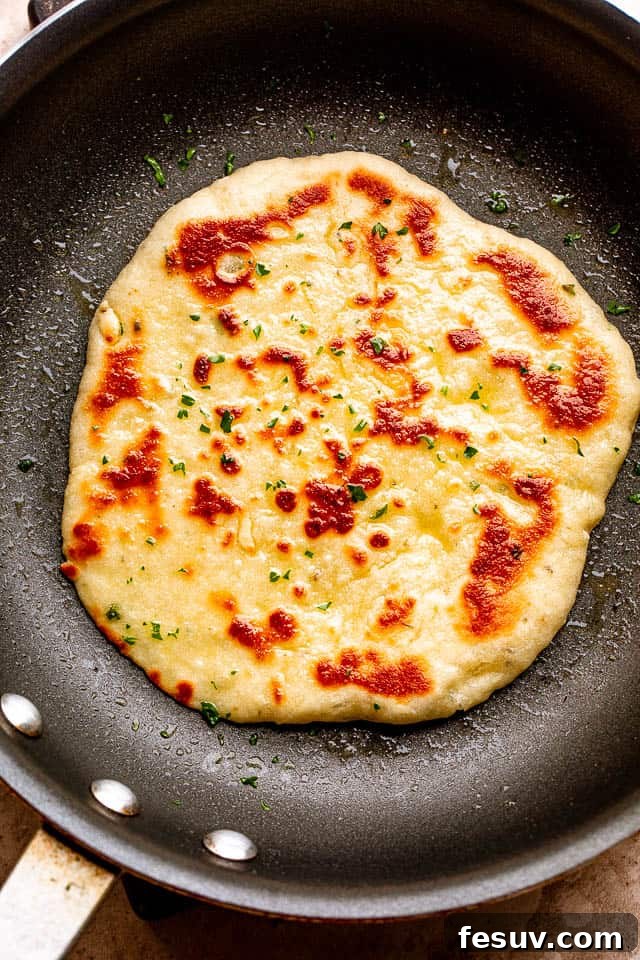
- Cook to Golden Perfection: When the pan is hot, carefully transfer the rolled-out dough into the pan, oiled side down. Cook for approximately 1½ minutes, or until you see numerous bubbles forming on the top surface. While this side is cooking, brush the uncooked side of the flatbread with olive oil.
- Flip and Finish: Using tongs or a spatula, flip the flatbread and continue to cook for another minute, or until the bottom side turns a beautiful golden brown. Remove the cooked flatbread from the pan and transfer it to a plate. To keep your flatbreads soft and warm, immediately cover them with a clean kitchen towel while you cook the remaining dough.
- Repeat and Enjoy: Continue this process with the rest of the dough balls, remembering to keep them covered as they finish cooking to maintain their wonderful softness. Serve your homemade flatbreads warm, sprinkled with extra fresh chopped parsley for a final flourish.
Pro Tips for Flawless Homemade Flatbread Every Time
Achieving perfectly soft, fluffy, and flavorful flatbread is easier than you think with these expert tips and tricks. These insights will help you navigate common pitfalls and ensure your baking efforts yield consistently delicious results.
- Mastering Yeast Activation: The key to a puffy, airy flatbread begins with properly activated yeast. Always mix your yeast with lukewarm water, ideally around 105˚F (40˚C). Water that is too cold will inhibit the yeast’s activity, leading to dense dough. Conversely, water that is too hot can kill the yeast, rendering it ineffective. A foamy mixture after 8-10 minutes is your green light – if it doesn’t foam, your yeast might be old or the water temperature was off.
- Uniformity for Even Cooking: For best results, aim for each ball of dough to be as close to the same size as possible. I highly recommend using a kitchen scale to weigh each piece, ensuring consistent portions. This uniformity guarantees that all your flatbreads cook evenly and have a similar texture and appearance.
- No Yeast? No Problem (with a caveat): While yeast is crucial for the signature fluffiness, you can still make flatbread in a pinch without it. However, be aware that omitting yeast will result in a denser, less airy flatbread. It will still be delicious, but the texture will be more akin to a tortilla or chapati rather than a puffy naan-style flatbread.
- The Magic of Olive Oil Brushing: Don’t skip brushing each side of the rolled-out dough with olive oil before cooking. This step is essential for several reasons: it prevents the flatbread from sticking to the pan, helps create that desirable slightly crispy exterior, contributes to the rich flavor, and aids in achieving that beautiful golden-brown color.
- Don’t Overwork the Dough: While kneading is important to develop gluten, overworking the dough after the initial kneading can make it tough. Once the dough is smooth and pliable, resist the urge to knead it excessively when dividing or rolling.
- Perfect Pan Temperature: Maintain a consistent medium-low heat for your skillet. Too high, and the flatbread will burn on the outside before cooking through; too low, and it will dry out and become tough. Adjust the heat as needed between batches.
- Cover for Softness: Always cover cooked flatbreads with a kitchen towel. This traps the steam, keeping them wonderfully soft and pliable while you finish cooking the remaining dough.
Creative Ways to Enjoy Your Versatile Homemade Flatbread
Once you’ve mastered this incredible homemade flatbread, a world of culinary possibilities opens up! Its soft, chewy texture and savory flavor make it an exceptionally versatile addition to almost any meal. Move beyond traditional bread and discover new and exciting ways to incorporate this delightful staple into your everyday cooking.
- Perfect Meal Companion: Our flatbread recipe is a fantastic alternative to classic dinner rolls or sliced bread. It pairs exceptionally well with hearty dishes like a rich mulligan stew, savory chicken Madeira, aromatic curries, or any meat and rice creation. For a delightful, fresh combination, try it alongside a vibrant Salmon BLT Salad, using the flatbread to scoop up the fresh ingredients and dressings.
- Delightful Dips and Appetizers: For a quick, satisfying snack or an impressive appetizer, cut your warm flatbread into triangles. These are perfect for dipping into creamy hummus, refreshing tzatziki sauce, smoky baba ghanoush, or even a pesto spread. Its robust texture holds up beautifully to even the thickest dips.
- Creative Sandwiches and Wraps: Transform your flatbread into the ultimate base for imaginative sandwiches and wraps. Fold it around your favorite fillings – grilled chicken, roasted vegetables, falafel, or even scrambled eggs for a breakfast wrap – to create a satisfying and portable meal. Enjoy a Mediterranean-inspired meal by topping the flatbread with seasoned ground meat (like for tacos), shredded lettuce, diced tomatoes, and crumbled feta cheese.
- Fun Flatbread Pizzas: This is always a huge hit, especially with children! Use the individual flatbreads as personal pizza bases. It’s a wonderful activity where everyone can customize their “mini pizzas” with their preferred sauces, cheeses, and toppings. Think classic pepperoni, fresh veggies, or even a gourmet combination with goat cheese and caramelized onions.
- Sweet Treat Surprise: Don’t limit flatbread to savory dishes. Lightly brush with butter, sprinkle with cinnamon sugar, and serve with fresh fruit for a delicious and unexpected dessert.
Keeping Your Flatbread Fresh: Storage and Reheating Tips
One of the many advantages of homemade flatbread is its excellent storability, allowing you to enjoy its deliciousness for days to come. Proper storage ensures your flatbread remains soft and flavorful, while easy reheating methods bring it back to its freshly baked glory.
- Storing Leftovers: Once your flatbreads have cooled completely, you can store them in airtight ziplock bags or containers. They will keep beautifully at room temperature for up to 2 days, making them perfect for quick meals or snacks throughout the week. For longer freshness, transfer them to the refrigerator, where they will remain delicious for up to 5 days.
- Freezing for Future Enjoyment: For an even longer storage solution, homemade flatbreads freeze exceptionally well. Simply stack them with parchment paper in between to prevent sticking, then place them in a freezer-safe bag or container. They can be frozen for up to 3 months, ready to be thawed and enjoyed whenever a craving strikes.
- Reheating for Warmth and Softness: To revive your stored flatbreads, several methods work wonderfully. My preferred way to serve them warm is to heat them in a dry skillet over medium heat for a few seconds on each side. This brings back a slight crispness to the exterior while keeping the interior soft. You can also lightly toast them in a toaster oven or even a regular oven at around 300°F (150°C) for a few minutes until warmed through. While the microwave can warm them quickly, be cautious as it can sometimes make them a bit chewy if overdone.
Explore More Easy & Delicious Bread Recipes
If you’ve enjoyed making this homemade flatbread, you’re sure to love these other simple and satisfying bread recipes from our kitchen. Expand your baking repertoire and discover new ways to bring the aroma of freshly baked bread into your home.
- Effortless No-Knead Dutch Oven Bread
- Classic Braided Challah Bread
- Comforting Homemade Cornbread
- Savory Spinach and Feta No-Yeast Bread
- Moist Iced Zucchini Banana Bread
- Spiced Pumpkin Swirl Bread
Homemade Flatbread Recipe
by Katerina | Easy Weeknight Recipes
Make this incredibly soft and fluffy Homemade Flatbread recipe for a warm, fresh, and delicious snack or the perfect complement to any meal.
Prep Time: 30 minutes
Cook Time: 20 minutes
Total Time: 1 hour
Servings: 10 Flatbreads
Ingredients
- 1¼ cups lukewarm water (about 105˚F)
- 2½ teaspoons active dry yeast
- 1 tablespoon sugar
- ¾ cups plain yogurt
- 2 tablespoons olive oil
- 1 tablespoon salt
- ½ tablespoon dried basil
- ½ tablespoon dried oregano
- 1 teaspoon garlic powder
- 3¾ cups all-purpose flour
- ¼ cup chopped fresh parsley
- ½ cup olive oil, for brushing
Instructions
- In a large mixing bowl, whisk together the lukewarm water, yeast, and sugar. Set the mixture aside for 8 to 10 minutes, or until it becomes foamy.
- Once foamy, whisk in the plain yogurt, 2 tablespoons of olive oil, salt, dried basil, dried oregano, and garlic powder.
- Add the all-purpose flour and fresh parsley. Stir everything together with a wooden spoon until the dough comes together and forms a shaggy ball.
- Generously sprinkle flour over your kitchen counter or work area. Turn the dough onto the floured surface, and then knead it for 4 minutes until smooth and elastic. Add more flour, sparingly, if the dough remains too sticky.
- Cut the dough into 10 equal pieces. For best consistency, use a kitchen scale to ensure each piece is the same weight. Form each piece into a small, smooth ball.
- Lightly sprinkle each dough ball with flour, cover them with a clean kitchen towel, and let them stand for 15 minutes. This allows the gluten to relax, making the dough easier to roll.
- Preheat a frying pan (or cast-iron skillet) over medium-low heat.
- Take one of the dough balls and, using a rolling pin, roll it out into a circle approximately 7 inches in diameter and about ¼-inch thick. Lightly brush the top surface of the rolled-out dough with olive oil.
- Carefully place the rolled-out dough into the hot pan, oiled side down. Cook for about 1½ minutes, or until the top surface is covered with visible bubbles. While it’s cooking, brush the opposite (top) side of the flatbread with olive oil.
- Flip the flatbread and cook for another 1 minute, or until the bottom side is golden brown and slightly puffed.
- Remove the cooked flatbread from the pan and transfer it to a plate. Immediately cover it with a clean kitchen towel to keep it soft and warm while you cook the remaining pieces.
- Repeat the rolling and cooking process with the remaining dough balls, ensuring the uncooked dough remains covered until ready to use.
- Serve the homemade flatbreads warm or at room temperature, garnished with additional chopped fresh parsley if desired.
Equipment
- Measuring Cups and Spoons
- Large Mixing Bowls
- Large Skillet (preferably cast iron)
- Wooden Spoon
- Rolling Pin
- Kitchen Scale (optional, for uniform dough balls)
Video
Notes
- The Right Water Temperature: Always use lukewarm water (around 105˚F or 40˚C) to activate the yeast. Water that is too cold will slow down or prevent activation, resulting in flatbread that isn’t puffy. Water that is too hot will kill the yeast, preventing any rise.
- Kneading is Key: Knead the dough thoroughly for at least 4 minutes. This process develops the gluten, which is essential for giving the flatbread its chewy texture and structure. If the dough feels overly sticky, add a very small amount of flour at a time until it’s more manageable, but avoid adding too much as this can make the flatbread tough.
- Resting for Relaxation: Allowing the dough balls to rest, covered, for about 15 minutes before rolling is crucial. This short rest period allows the gluten to relax, making the dough much more pliable and easier to roll out evenly without snapping back.
- Customize with Herbs: Feel free to experiment with the herbs! While dried basil and oregano add a wonderful flavor, you can also incorporate other dried herbs like rosemary, thyme, or even a pinch of red pepper flakes for a subtle kick.
- Storage Guidelines: Once cooled, store your homemade flatbreads in airtight zip-top bags. They will remain fresh at room temperature for up to 2 days. For extended freshness, refrigerate them for up to 5 days. For long-term storage, flatbreads can be frozen for up to 3 months.
Nutrition
Calories: 320kcal | Carbohydrates: 40g | Protein: 7g | Fat: 15g | Saturated Fat: 2g | Cholesterol: 2mg | Sodium: 712mg | Potassium: 128mg | Fiber: 2g | Sugar: 2g | Vitamin A: 30IU | Vitamin C: 1mg | Calcium: 39mg | Iron: 3mg
Nutritional info is an estimate and provided as courtesy. Values may vary according to the ingredients and tools used. Please use your preferred nutritional calculator for more detailed info.
Did you make this recipe? Leave a rating and share your experience!