
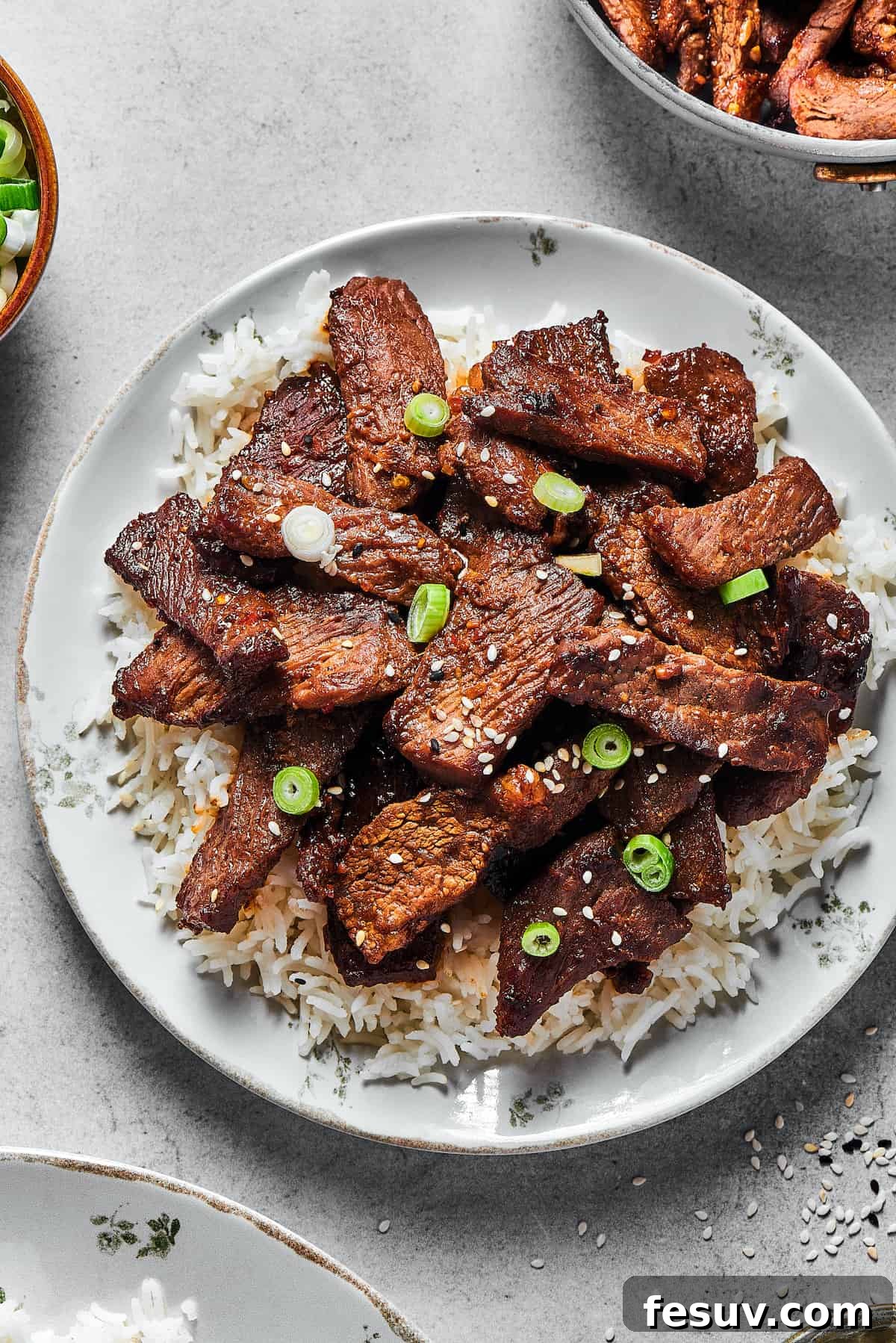
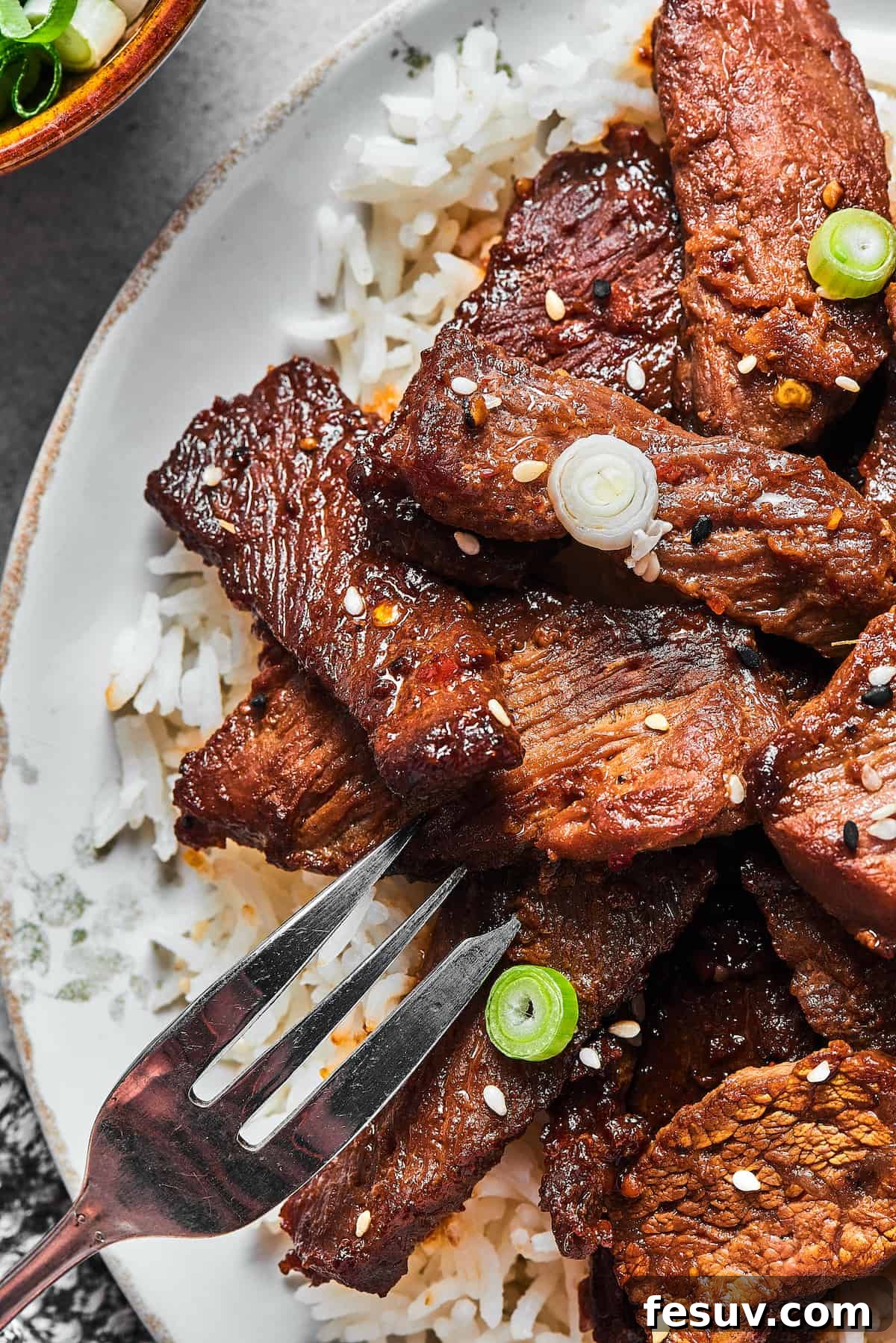
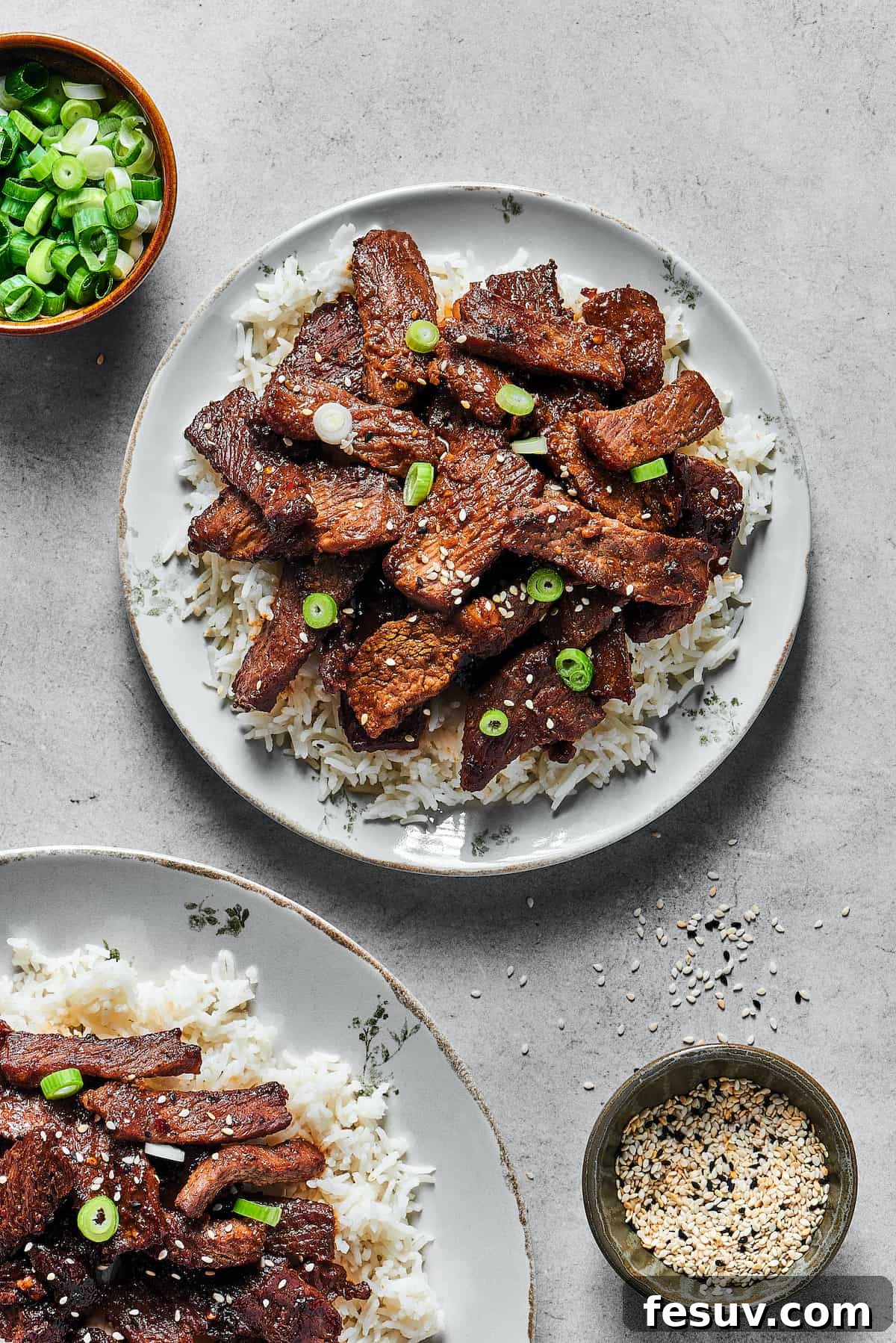
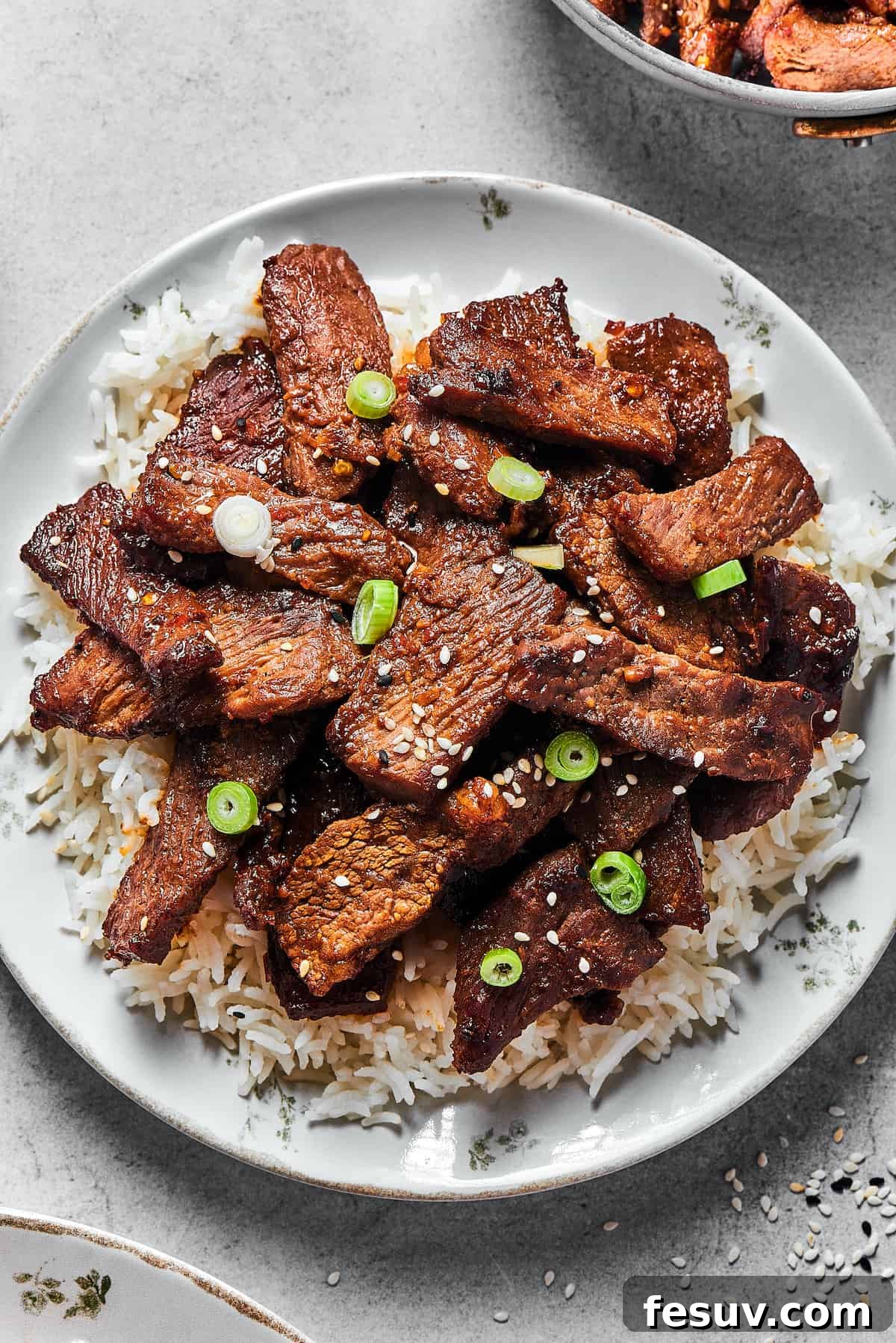
Beef Bulgogi is not just a dish; it’s a culinary journey to the heart of Korean flavors, effortlessly brought to your weeknight table. Imagine succulent strips of steak, each piece perfectly infused with a complex, sweet, and savory marinade that sings with freshness. This unbeatable recipe combines an incredibly easy preparation with a quick stovetop cooking method, promising a mouthwatering experience that will have everyone reaching for more. Forget complicated takeout – this bold, savory, and utterly satisfying meal is designed for effortless enjoyment, making it a true weeknight dream come true.
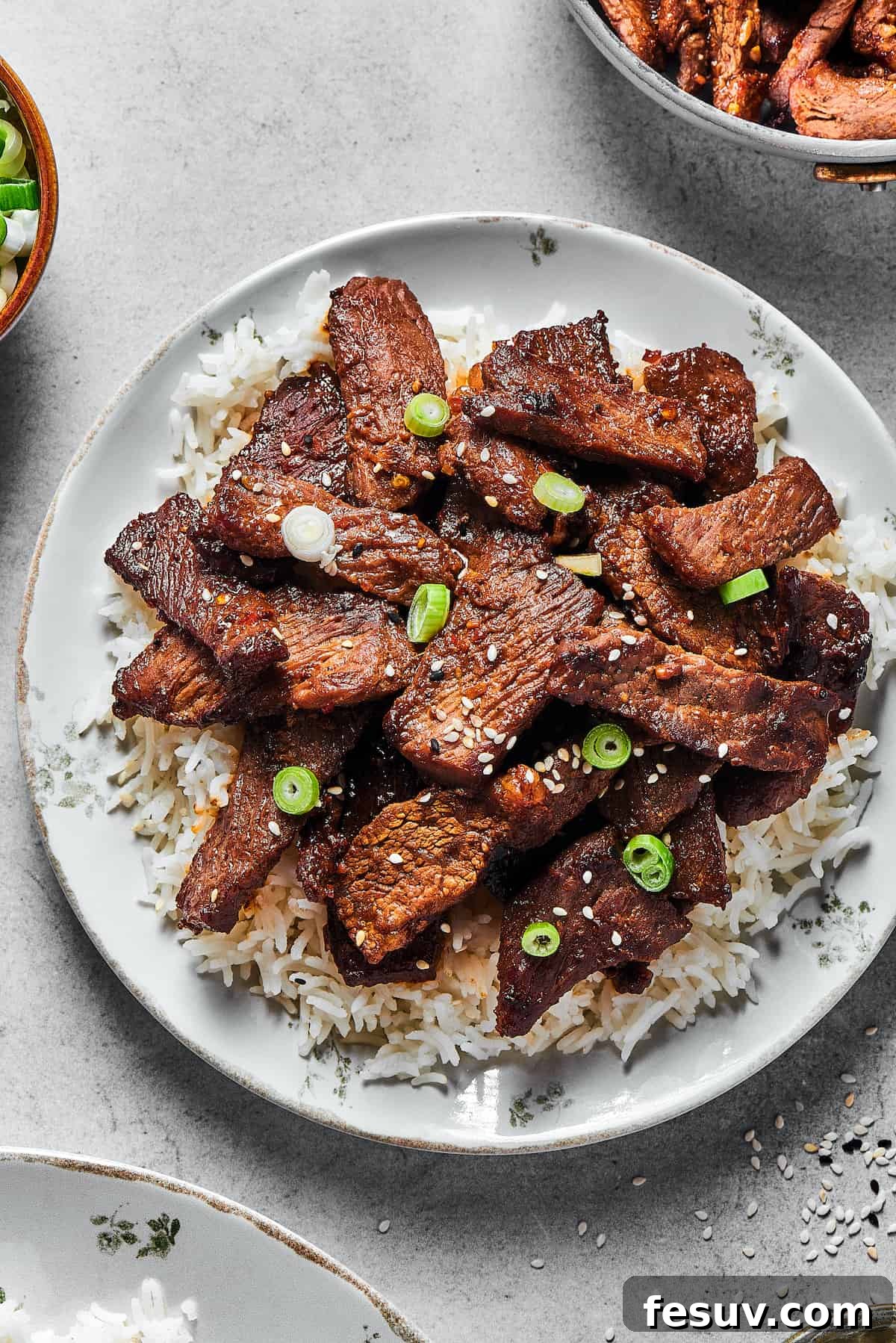
Effortless Korean Marinated Steak: Your Gateway to Authentic Bulgogi
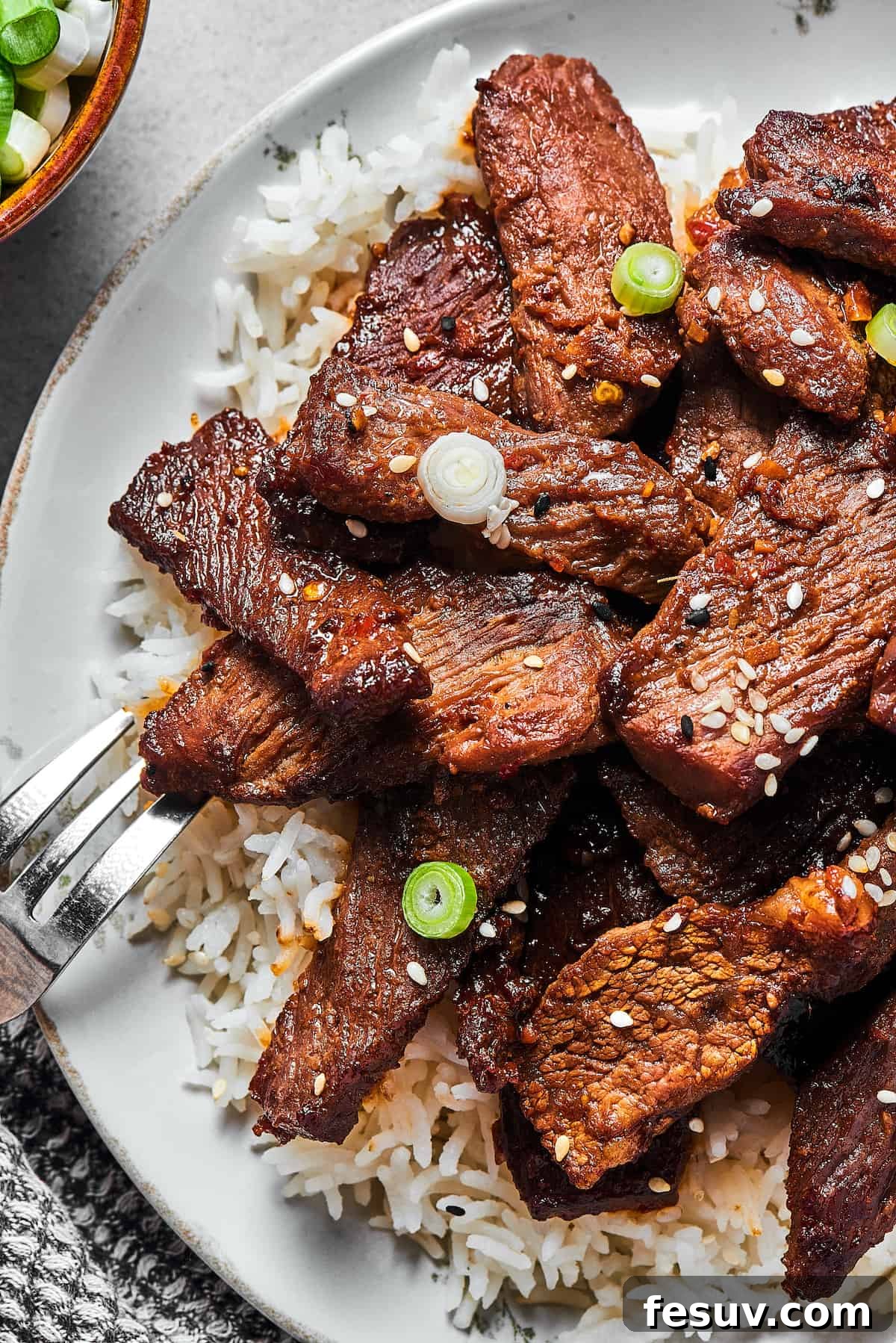
Beef bulgogi, meaning “fire meat,” is a globally cherished Korean classic that brings the vibrant flavors of traditional Korean barbecue right into your home. This immensely popular dish features thinly sliced, tender pieces of marinated steak, traditionally cooked on a hot grill, though a skillet works just as beautifully. The magic lies in its distinctive marinade, a harmonious blend of sweet and savory notes that creates an addictive umami depth. If you’re a fan of dishes like sticky chicken, classic barbecue, or honey garlic sauces, this delightful combination of flavors in bulgogi will undoubtedly capture your heart and taste buds.
What sets this bulgogi recipe apart is its remarkable simplicity. Unlike many Asian dishes that often demand extensive preparation or intricate cooking techniques, this one is wonderfully straightforward. The process involves just a few key steps: thinly slicing your chosen steak, allowing it to soak up the incredible marinade, and then quickly cooking it in a hot skillet or grill pan. The ease of preparation makes it perfect for busy individuals or families. You could easily prepare the steak and marinade in the morning, letting the flavors meld throughout the day, then enjoy a lightning-fast cooking session in the evening. It’s as quick and convenient as frying an egg or heating up a can of soup, yet the outcome is a truly restaurant-quality dinner that you’ll be eager to recreate time and time again.
This recipe demystifies Korean cooking, making it accessible to even novice chefs. The rich, aromatic flavors and the tender texture of the beef are a testament to the power of a good marinade and a simple cooking approach. Get ready to impress yourself and your loved ones with this incredibly flavorful and easy-to-make Korean marinated steak.
Is Korean Bulgogi a Healthy Choice? Navigating Nutritional Aspects
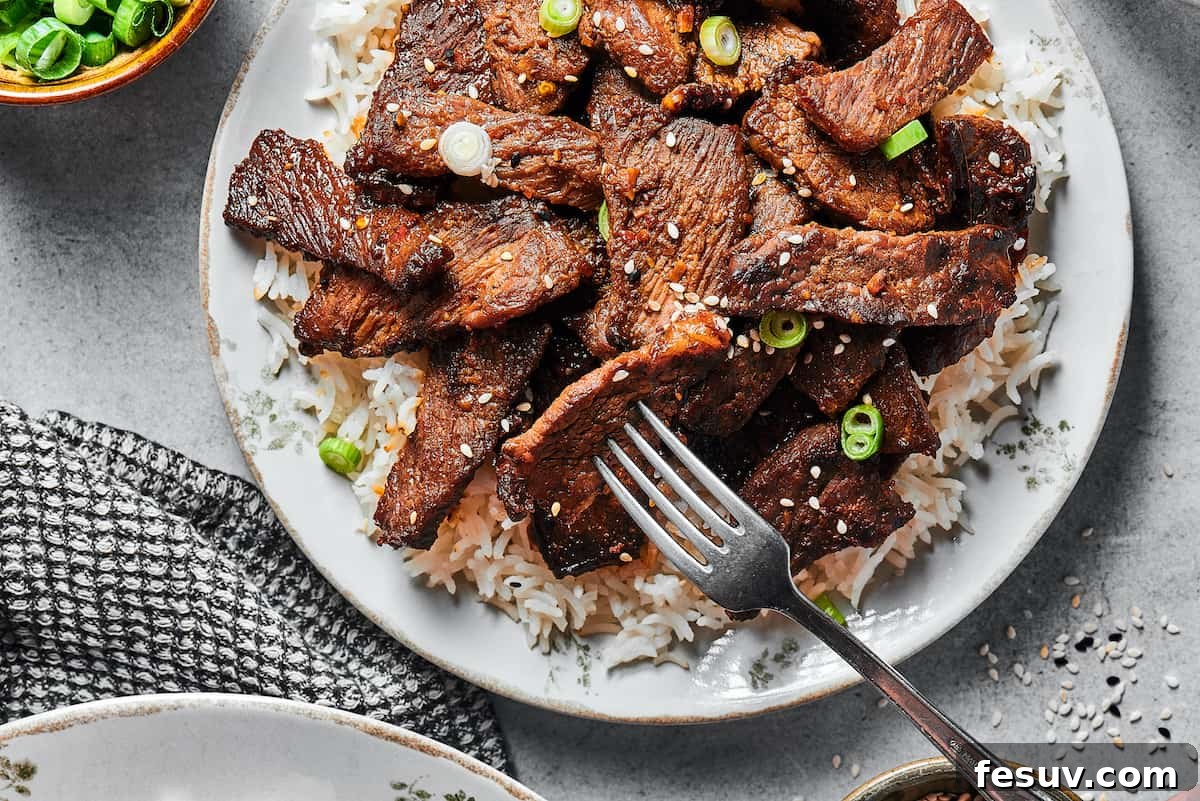
The healthiness of Korean bulgogi can indeed depend on your specific dietary goals and ingredient choices. For those adhering to a low-fat diet, opting for a rich cut like ribeye steak might not be the most suitable choice due to its higher fat content. However, in its essence, beef bulgogi can absolutely be a valuable component of a well-balanced and nutritious diet. It delivers a substantial amount of high-quality protein, essential for muscle repair and growth, alongside healthy fats. Moreover, with mindful adjustments, it can be prepared with minimal added sugar and salt, giving you control over these elements.
To further enhance its nutritional profile, consider serving bulgogi with fresh lettuce wraps (known as “ssam”) for a delicious low-carb meal option, a fantastic way to boost your vegetable intake. Alternatively, pairing it with fluffy white or brown rice offers a healthy and satisfying carbohydrate source, providing energy. You can also explore leaner cuts of beef, reduce the amount of brown sugar, or use a low-sodium soy sauce to align the dish more closely with your health preferences. Ultimately, bulgogi offers flexibility, allowing you to enjoy its incredible flavors while still maintaining a balanced approach to your diet.
Essential Ingredients for Authentic Beef Bulgogi
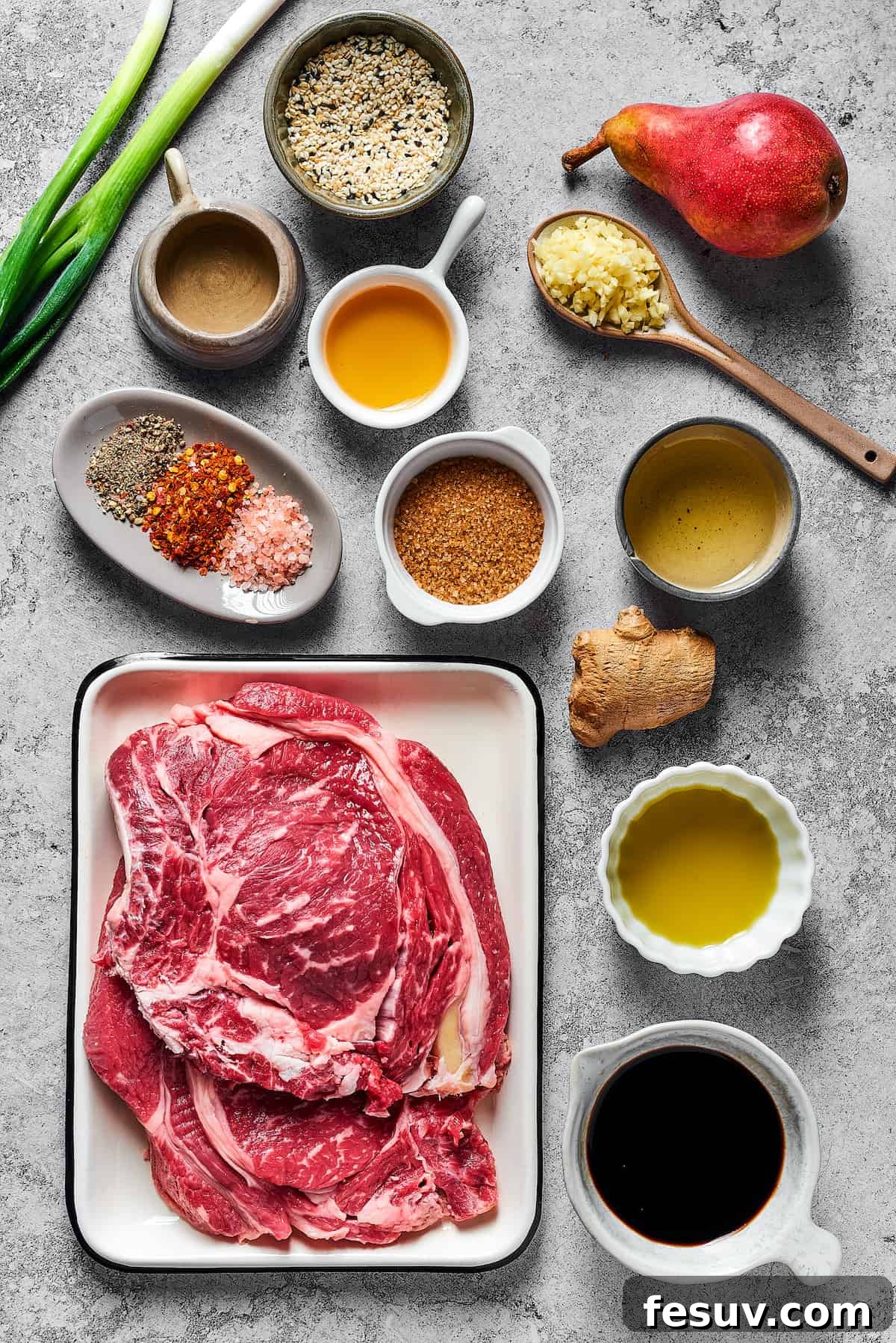
Creating this irresistible beef bulgogi requires a select group of ingredients, each playing a vital role in building its signature sweet, savory, and subtly spicy flavor profile. The beauty of this recipe lies in its reliance on simple, yet potent components that come together to create a truly memorable meal. Here’s a detailed look at what you’ll need, along with some helpful tips for substitutions and choices:
- Steak: The foundation of our bulgogi. While traditionally, thinly sliced beef is key, you have options. Choose a naturally tender cut like ribeye, sirloin, or New York strip for a luxurious texture. Alternatively, more economical and flavorful cuts like flank steak or skirt steak work wonderfully, provided they are sliced correctly (against the grain) to ensure tenderness.
- Soy Sauce: This provides the essential salty, umami base for the marinade. For those managing sodium intake, a low-sodium soy sauce is an excellent choice. If you prefer to avoid soy altogether, coconut aminos or tamari (a gluten-free soy sauce alternative) are fantastic substitutes that maintain a similar flavor depth.
- Pear: A crucial, often overlooked ingredient in authentic bulgogi marinade. A finely grated pear not only adds a delicate sweetness but also contains enzymes that naturally tenderize the meat, making it incredibly soft. While an Asian pear is ideal for its crisp sweetness, a Bosc pear or any other firm, sweet pear variety, peeled and finely grated, will work beautifully.
- Brown Sugar: Contributes to the signature sweetness of bulgogi, balancing the savory notes. Light or dark brown sugar can be used. If you’re looking for an alternative, honey is a superb natural sweetener that also adds a lovely aromatic quality to the marinade.
- Mirin: This sweet Japanese rice wine is a staple in many East Asian marinades. It adds a subtle tang, a touch of sweetness, and a remarkable depth of flavor that is hard to replicate. Don’t skip it if you can help it, as it truly enhances the overall complexity.
- Sesame Oil: Absolutely essential for its distinctive nutty, toasted aroma and flavor. A good quality toasted sesame oil will elevate the bulgogi, adding a layer of warmth and richness that is foundational to Korean cuisine. Ensure you use toasted sesame oil for that authentic taste.
- Chili Powder: While not making the dish overtly spicy, chili powder infuses the marinade with a smoky, slightly robust BBQ-like flavor. For those who enjoy a little heat, a pinch of red pepper flakes can be added to the marinade or sprinkled over the cooked beef for an extra kick.
- Garlic: Freshly minced garlic is indispensable for its pungent, aromatic qualities. It provides a foundational flavor note that complements the other ingredients perfectly. Use fresh cloves for the best results.
- Ginger: Freshly grated ginger adds a bright, zesty, and slightly spicy warmth that cuts through the richness of the beef. While fresh is always superior for flavor, powdered ginger can be used as a last resort, though the taste will be less vibrant.
- Oil: A neutral cooking oil is needed for searing the beef. Olive oil is a popular choice, but other high-smoke-point oils like canola, vegetable, or grapeseed oil will also work well.
- Salt and Pepper: Basic seasoning to enhance the natural flavors of the beef and balance the marinade. Adjust to your preference.
- Green Onions and Toasted Sesame Seeds: These are primarily for garnish, adding a fresh, aromatic finish and a pleasant textural contrast to the cooked bulgogi. Don’t underestimate their visual and taste impact!
Choosing the Perfect Cut: What Meat Works Best for Beef Bulgogi?
The beauty of beef bulgogi lies in its versatility when it comes to meat selection. Several cuts of steak can be used to achieve delicious results, from leaner, tougher options to more marbled, tender choices. The key factor is how the meat is prepared: thinly sliced is paramount for traditional bulgogi, as it allows the marinade to penetrate deeply and ensures quick, even cooking.
For those who prefer a beefier texture and robust flavor, flank steak or skirt steak are excellent, more economical choices. These cuts benefit greatly from thin slicing against the grain, which breaks up the muscle fibers and significantly tenderizes the meat. Slicing against the grain is a technique where you cut perpendicular to the direction of the muscle fibers, resulting in a more tender bite. If you’re looking for a more luxurious and melt-in-your-mouth experience, premium cuts such as New York strip, ribeye, or sirloin are also fantastic. Their natural tenderness and marbling contribute to a richer flavor and incredibly succulent texture. No matter which cut you choose, the thin slicing method is crucial for achieving that authentic bulgogi tenderness and for allowing the vibrant marinade to fully infuse every strand of beef.
Mastering Homemade Bulgogi: A Step-by-Step Guide
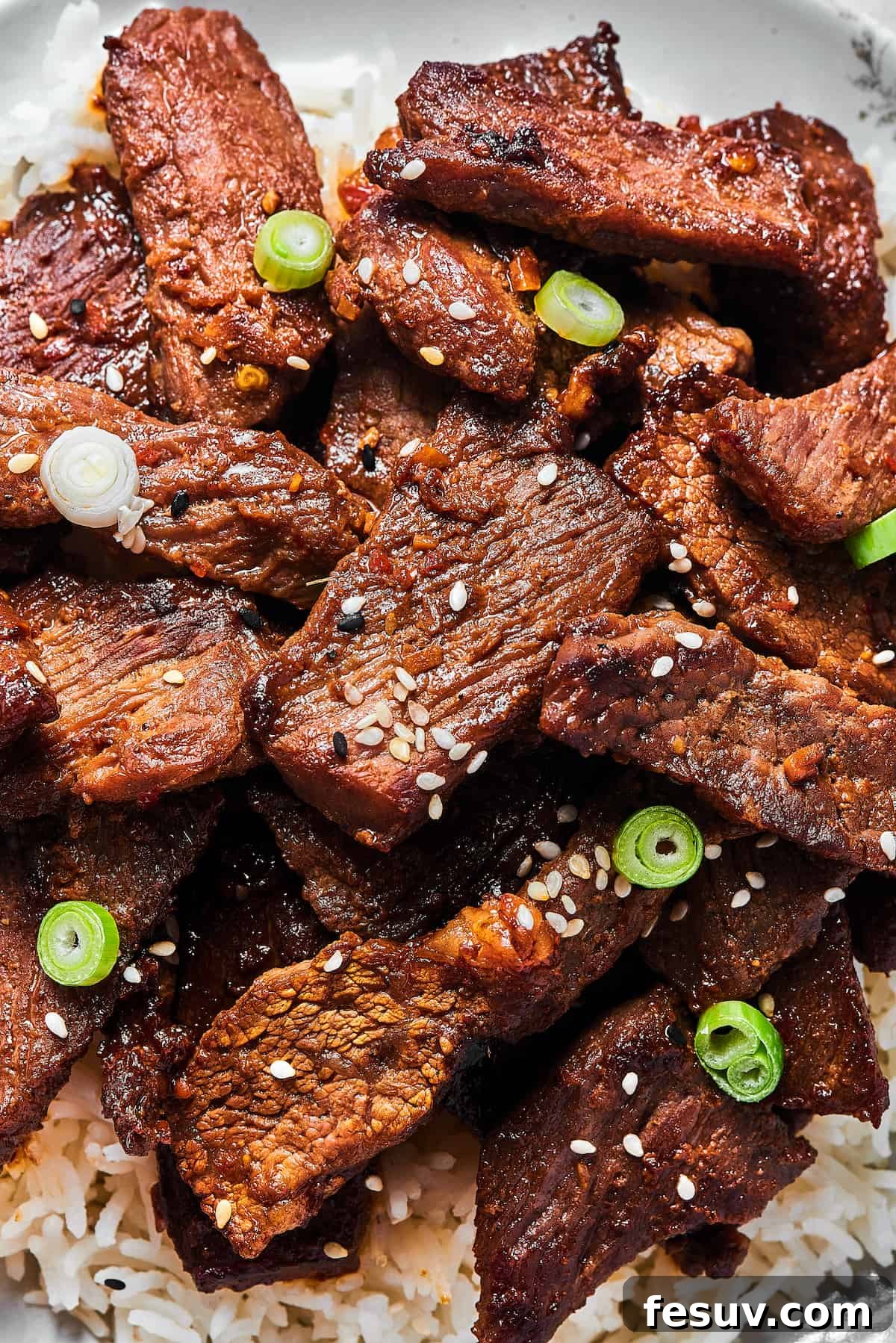
Embarking on your first Korean dish can seem daunting, but this bulgogi recipe is designed to be your perfect starting point. It’s surprisingly simple, incredibly fun to prepare, and yields a result that is truly mouthwateringly good. Follow these steps for an authentic and satisfying Korean BBQ experience at home:
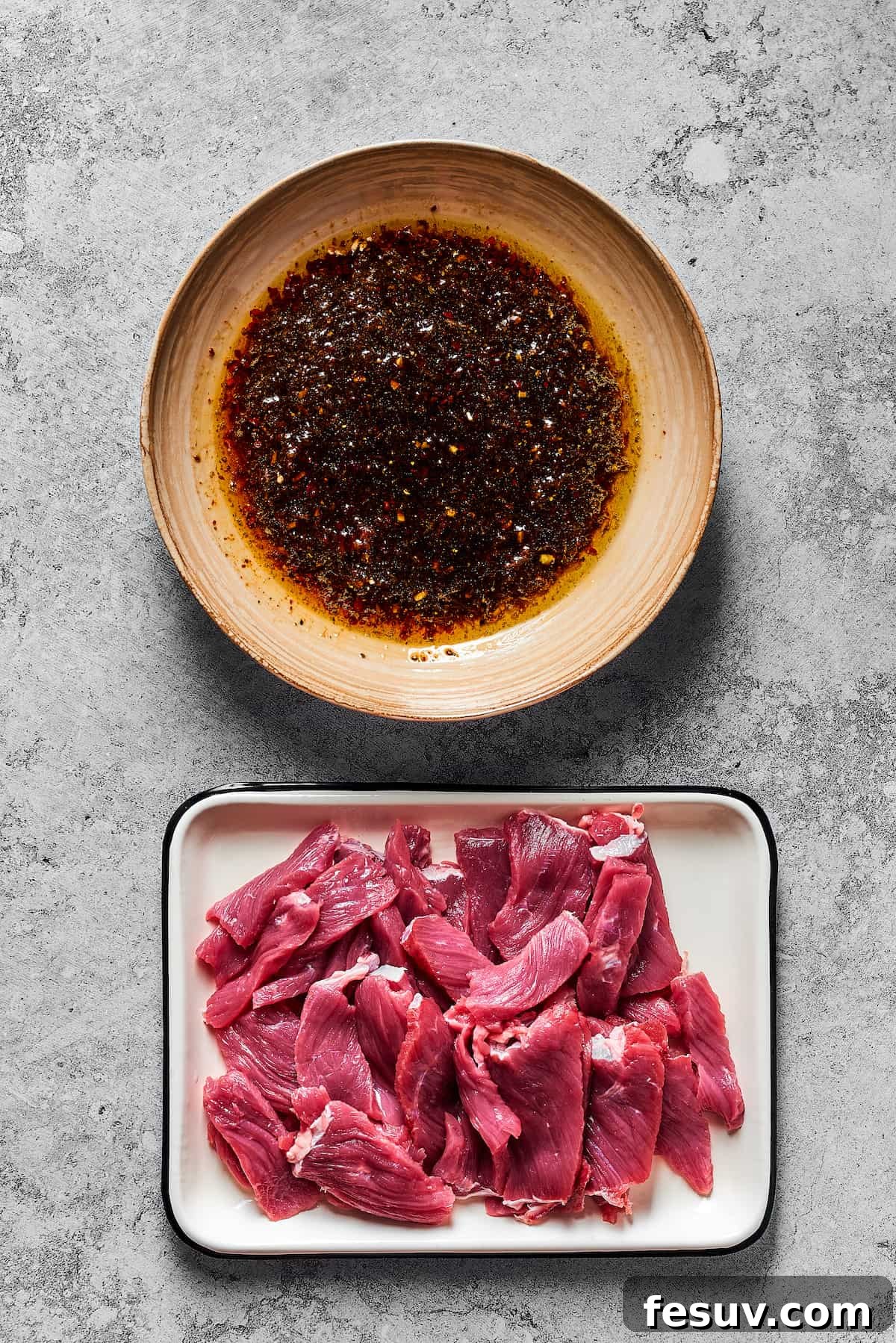
- Prepare the Steak: The secret to tender bulgogi lies in uniformly thin slices of beef. Using a good, sharp knife, carefully slice your steak against the grain into very thin strips, ideally about ⅛ to ¼ inch thick. A clever trick to make slicing easier and achieve perfect thinness is to place the steak in the freezer for about 30 minutes before you start. This firms up the meat, making it much easier to handle and slice precisely.
- Craft the Flavorful Marinade: In a medium-sized bowl, or conveniently directly into a large zip-top bag, combine all the magical marinade ingredients. This includes the finely grated pear, soy sauce, rich brown sugar, aromatic sesame oil, subtle mirin, freshly grated ginger, and a dash of chili powder. Whisk everything together thoroughly until well combined. If using a zip-top bag, simply squish the bag to mix the ingredients.
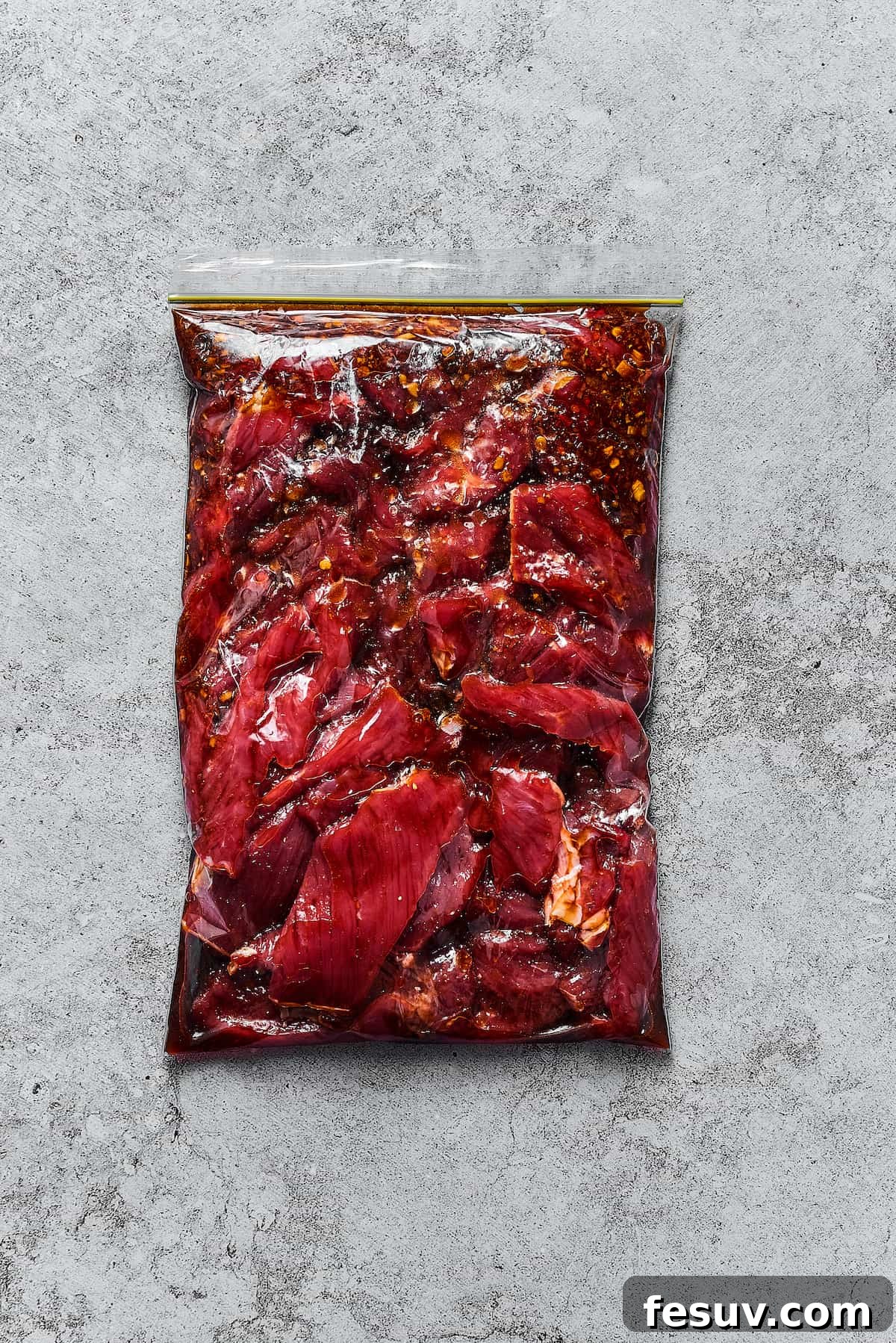
- Marinate the Beef to Perfection: Add the thinly sliced steak to your prepared marinade, ensuring every piece is thoroughly coated. If using a bowl, gently toss to distribute the marinade evenly. If you’ve opted for a zip-top bag, simply squish the bag to make sure all the steak is submerged in the flavorful mixture. Place the marinating beef in the refrigerator for a minimum of 2 hours. For the deepest, most complex flavors and maximum tenderness, allowing it to marinate overnight (up to 24 hours) is highly recommended.
- Cook the Marinated Steak: When you’re ready to cook, heat a large non-stick skillet or a grill pan over high heat. Add a tablespoon or two of oil to the hot pan. Once the oil is shimmering, add the marinated steak pieces in small batches. It’s crucial not to overcrowd the pan, as this can lower the pan’s temperature and result in steamed rather than beautifully seared beef. Cook each batch for just 2 to 3 minutes per side, ensuring a quick sear to lock in moisture and flavor. The thin slices cook very quickly, so keep a close eye on them to prevent overcooking.
- Garnish and Serve Immediately: As each batch of bulgogi finishes cooking, transfer the tender, flavorful steak to a serving dish. Once all the beef is cooked, generously garnish it with freshly chopped green onions and a sprinkle of toasted sesame seeds. These garnishes add a fresh, aromatic contrast and a delightful nutty crunch. Serve your homemade beef bulgogi immediately, perhaps with a side of steamed rice or fresh lettuce wraps, and prepare for an explosion of flavors that will delight everyone at the table.
Pro Tips and Variations for Your Bulgogi
Here are some valuable tips and common substitutions to help you perfect your beef bulgogi and adapt it to your preferences:
- Fruit Power: Apples, Pears, and Kiwis (with caution!): The grated pear in the marinade is more than just a sweetener; it’s a tenderizer due to natural enzymes. A sweet grated apple can be a fine substitute if a pear isn’t available. However, be extremely careful if considering fruits like diced kiwi or pineapple. These fruits contain potent enzymes that can over-tenderize the meat, potentially leaving it mushy or fibrous if marinated for too long. If using kiwi or pineapple, limit the marinating time to an absolute maximum of one to two hours to avoid undesirable textures.
- Mirin Alternatives: If mirin isn’t readily available, don’t fret! Dry sherry or Marsala wine make excellent substitutes, offering a similar depth and nuanced sweetness. If neither of these is on hand, a small amount of white wine or even white vinegar can work, but you’ll want to add an equal amount of honey or sugar to rebalance the sweetness that mirin typically provides.
- The Freezing Trick for Perfect Slices: Achieving uniformly thin slices of beef is paramount for authentic bulgogi. I highly recommend placing your steak in the freezer for about 30 minutes before slicing. This brief chill firms up the meat, making it much easier to cut into precise, delicate strips. Even 15 minutes can make a noticeable difference in ease and precision.
- Embrace “Ssam” Style with Lettuce Wraps: Bulgogi is traditionally enjoyed “ssam” style, which means wrapping the meat in fresh lettuce leaves. This adds a refreshing crunch and a healthy, low-carb dimension to your meal, much like a leafy taco or wrap. Provide your dinner guests with a platter of fresh, washed, and thoroughly dried lettuce leaves. Beyond just the beef, you can offer additional toppings like steamed rice, a dollop of spicy gochujang (Korean chili paste), or other small banchan (Korean side dishes) for an interactive and authentic dining experience.
Perfect Pairings: What to Serve with Bulgogi
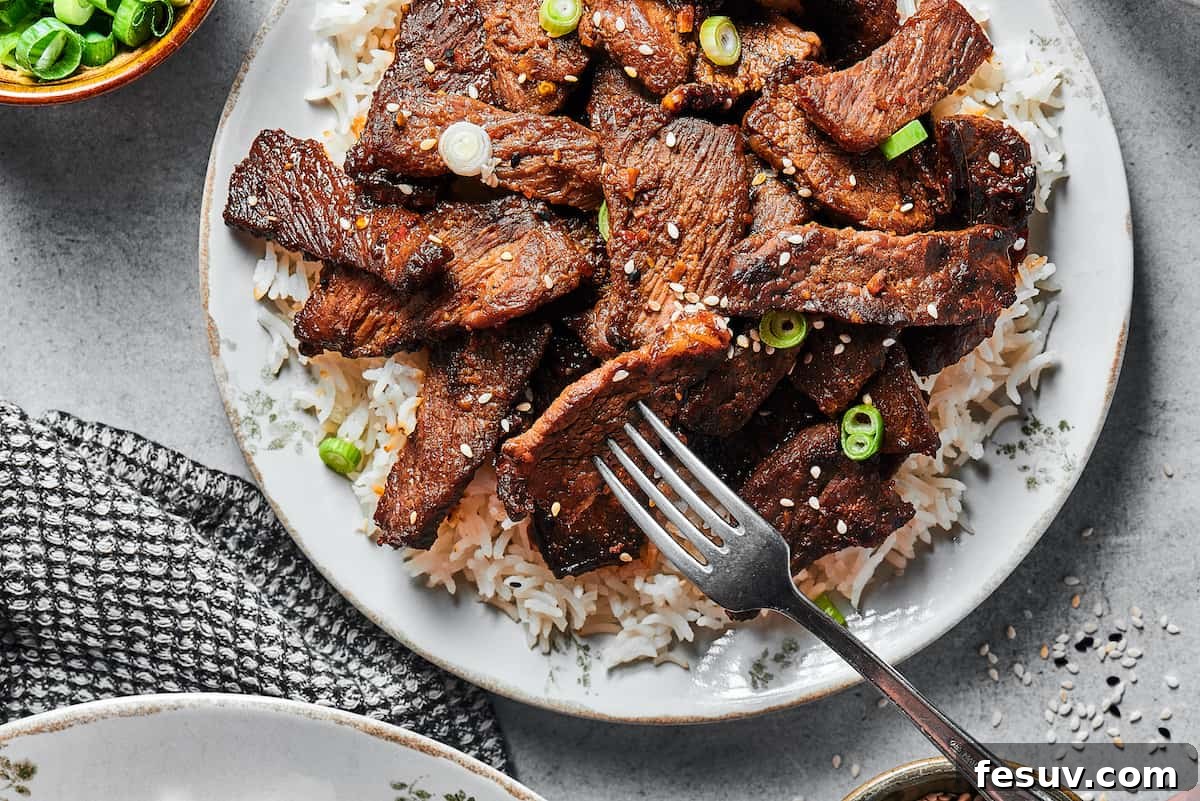
Beef bulgogi is a star on its own, but it truly shines when accompanied by a thoughtful selection of side dishes. A classic pairing is simply a generous helping of fluffy rice, such as aromatic jasmine rice, and a vibrant portion of kimchi, the quintessential Korean fermented cabbage. Beyond these staples, here are some other delicious ideas to complete your Korean feast:
- Egg Drop Soup: Light, comforting, and incredibly easy to make, Egg Drop Soup is a takeout favorite that pairs wonderfully with the rich flavors of bulgogi. Its delicate texture and savory broth offer a refreshing contrast to the main dish.
- Fried Rice: While perhaps not a traditional Korean pairing, a savory Shrimp Fried Rice with Pineapple introduces a fresh, tropical, and Pan-Asian twist that complements the bulgogi surprisingly well. The sweetness of the pineapple and the savory rice create a delightful flavor balance.
- Spring Rolls: Another beloved Asian appetizer, crispy Golden Veggie Spring Rolls are crunchy, packed with flavor, and virtually irresistible. Their light, crisp texture and fresh vegetable filling provide a perfect textural and flavor contrast to the tender beef.
- Other Korean Banchan: For an even more authentic experience, consider serving a variety of simple Korean banchan (side dishes) like seasoned spinach (sigeumchi-namul), cucumber salad (oi muchim), or pickled radishes (kkakdugi). These small, flavorful dishes enhance the overall dining experience and offer a spectrum of tastes and textures.
Storing and Reheating Bulgogi Leftovers for Best Results
Properly storing and reheating your beef bulgogi ensures that you can enjoy its delicious flavors for days to come. Here’s how to handle your leftovers:
- Storage: Once your bulgogi has cooked and cooled down to room temperature, transfer it to an airtight container. This will help maintain its freshness and prevent odors from spreading in your fridge. Stored correctly, cooked bulgogi can be kept in the refrigerator for 3 to 4 days, making it a fantastic meal prep option.
- Reheating: To bring your bulgogi back to life without sacrificing its tender texture, the key is quick reheating. Place the steak strips in a good hot skillet over medium-high heat. Cook them very quickly, tossing frequently, just until they are warmed through. Avoid overcooking, as this can dry out the beef and make it tough. A minute or two should be sufficient to restore its warmth and succulence.
Freezing Bulgogi: Tips for Meal Prep and Future Enjoyment
Freezing can be a convenient way to prepare meals in advance, but it’s important to know the best practices for beef bulgogi to preserve its quality.
- Cooked Bulgogi: I generally do not recommend freezing the cooked bulgogi steak strips. The delicate texture of the thinly sliced beef is quite susceptible to degradation during the freezing and thawing process, often resulting in a less desirable, tougher, or drier consistency upon reheating. It’s best to enjoy cooked bulgogi within a few days of preparation.
- Uncooked Marinated Steak: However, freezing the uncooked steak strips in their marinade works exceptionally well! This is a fantastic strategy for meal prepping. Simply place the thinly sliced beef and all the marinade ingredients into a freezer-safe zip-top bag. Seal the bag, pressing out as much air as possible to prevent freezer burn. Squish the bag to ensure the steak is thoroughly coated in the marinade, then label it with the date. You can freeze this marinated raw bulgogi for up to 2 months. When you’re ready to cook, simply thaw the bag overnight in the refrigerator, and then proceed with the cooking instructions as usual. This method allows the flavors to deepen while preserving the texture of the raw meat, providing a convenient and delicious future meal.
Korean Beef Bulgogi Recipe
by Katerina | Easy Weeknight Recipes
Beef Bulgogi is the weeknight dinner of your dreams! Each tender strip of steak is bursting with fresh, mouthwatering flavor, thanks to an unbeatable marinade and quick stovetop cooking method.
- Prep Time: 10 minutes
- Cook Time: 15 minutes
- Marinating Time: 2 hours
- Total Time: 2 hours 25 minutes
- Servings: 4
Ingredients
- 1.5 pounds flank steak, or any other boneless steak like ribeye, sirloin, thinly sliced
- ½ cup low sodium soy sauce
- 1 fresh pear, finely grated
- 2 tablespoons brown sugar
- 1 tablespoon Mirin
- 1 tablespoon sesame seed oil
- 1 tablespoon chili powder
- 3 cloves garlic, minced
- 1 tablespoon freshly grated ginger
- 2 tablespoons olive oil
- Salt and pepper, to taste
- Green onions, for garnish
- Toasted sesame seeds, for garnish
Instructions
- Slice the steak very thinly with a sharp knife. To make this easier, you can place the steak in the freezer for 30 minutes before slicing.
- In a medium bowl, combine the grated pear, soy sauce, brown sugar, sesame oil, mirin, ginger, and chili powder.
- Transfer the marinade to a zip-top bag, and add the steak slices to the bag. Seal and marinate for at least 2 hours or overnight, turning the bag occasionally.
- Heat the oil in a nonstick skillet or grill pan over medium-high heat.
- Working in batches, place steak slices in a single layer on the pan and cook for 2 to 3 minutes per side. Do not crowd the pan. Repeat until all the slices are cooked.
- Transfer the beef to a serving platter, and garnish with green onions and toasted sesame seeds.
- Serve immediately.
Nutrition (Estimated per serving)
- Calories: 409 kcal
- Carbohydrates: 18g
- Protein: 40g
- Fat: 19g
- Saturated Fat: 5g
- Polyunsaturated Fat: 3g
- Monounsaturated Fat: 10g
- Cholesterol: 102mg
- Sodium: 1306mg
- Potassium: 807mg
- Fiber: 2g
- Sugar: 12g
- Vitamin A: 604 IU
- Vitamin C: 3mg
- Calcium: 65mg
- Iron: 4mg
Nutritional information is an estimate and provided as a courtesy. Values may vary according to the ingredients and tools used. Please use your preferred nutritional calculator for more detailed information.
Explore More Satisfying Steak Dinners
If you loved this beef bulgogi, you’ll be thrilled to discover other delicious and easy steak recipes that are perfect for any weeknight:
- Philly Cheesesteak Burgers: A classic American favorite reimagined, offering all the savory goodness of a cheesesteak in burger form.
- Easy Steak Salad with Spinach and Mushrooms: A light yet fulfilling meal, combining tender steak with fresh greens and earthy mushrooms.
- Garlic Steak Bites with Potatoes: Perfectly seasoned, bite-sized steak pieces cooked alongside tender potatoes for a complete and comforting meal.