
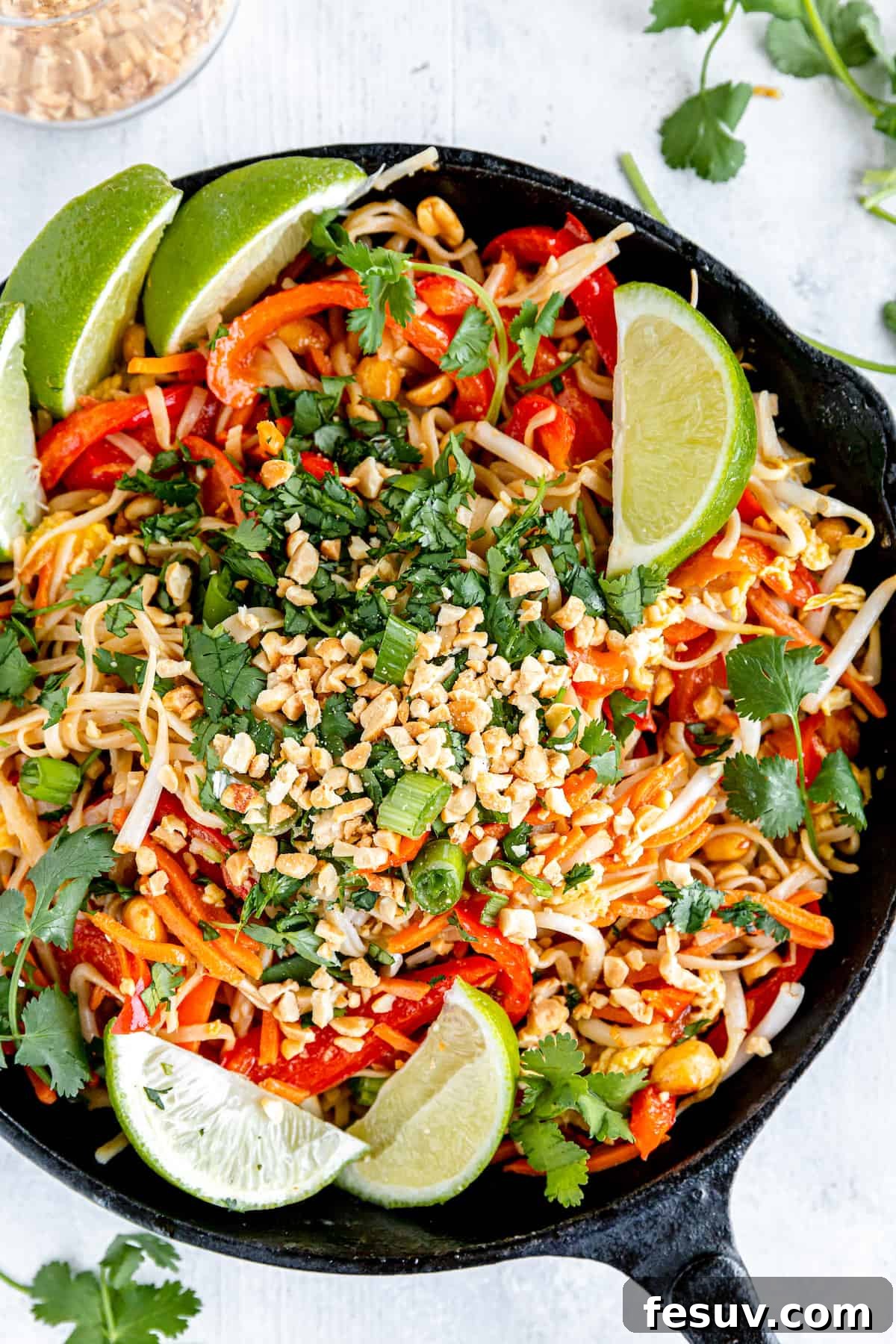
Unlock the secrets to crafting a truly irresistible Pad Thai with this simple and fast stir-fry recipe! Perfect for busy weeknights, this dish comes together in just 30 minutes, bringing the vibrant flavors of Thailand straight to your kitchen. Featuring fresh, authentic ingredients like chewy rice noodles, crunchy roasted peanuts, perfectly scrambled eggs, and a medley of colorful vegetables, every bite is coated in a rich, homemade Pad Thai sauce that’s a symphony of sweet, sour, and savory notes.
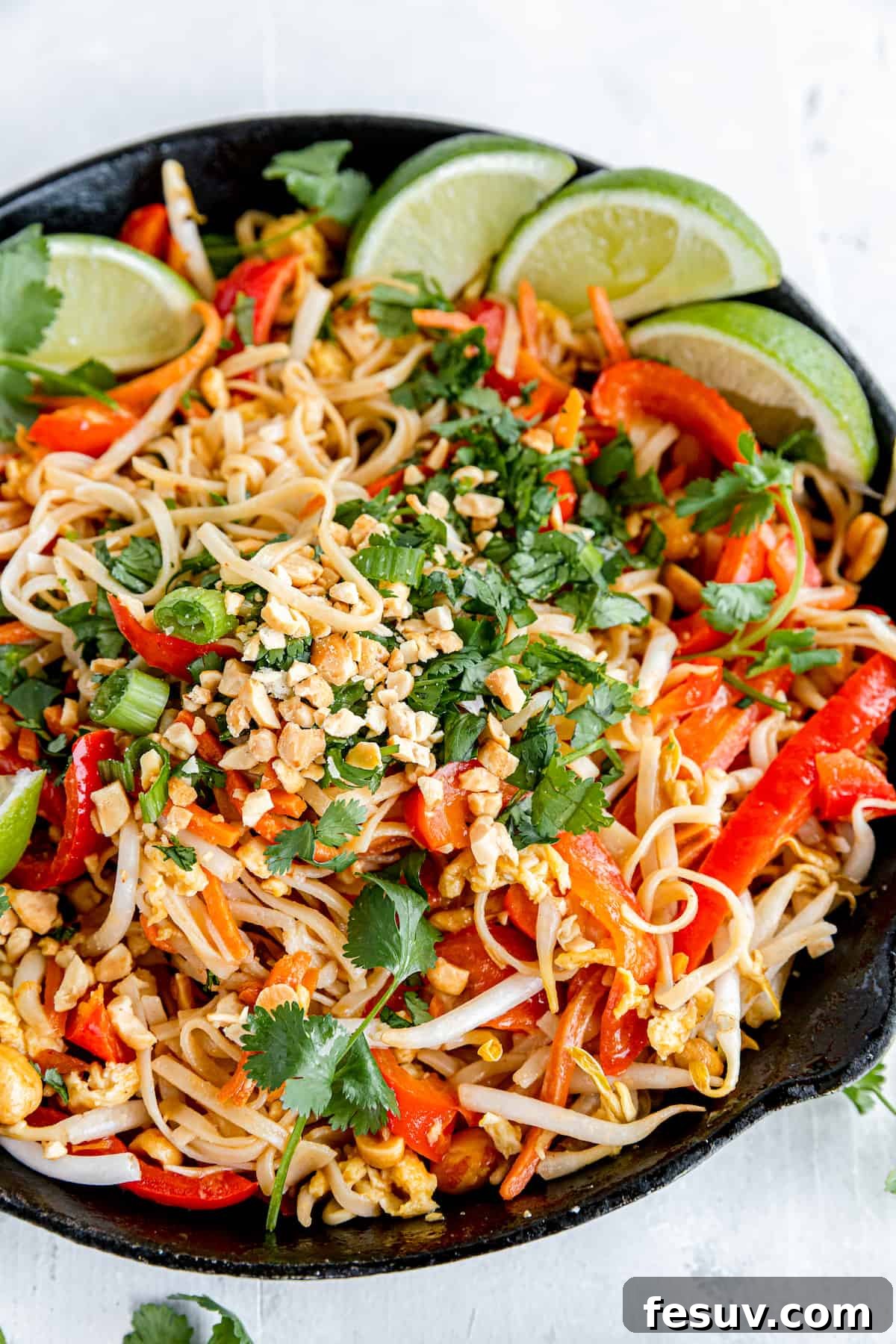
There’s an undeniable magic to a well-executed stir-fry, and while I adore many variations, a noodle stir-fry holds a special place in my heart. The comforting embrace of tender noodles, generously coated in a flavorful sauce, offers a unique blend of relaxation and nourishment that few other dishes can match. It’s the kind of meal that wraps you in a warm hug after a long day.
This deep appreciation for noodle dishes naturally leads us to the crown jewel of Southeast Asian cuisine: Pad Thai. If the thought of recreating this iconic Thai stir-fry at home seems daunting, cast those worries aside! You don’t need exotic ingredients or specialized equipment to master this beloved dish. Our recipe simplifies the process, ensuring that anyone, from novice cooks to seasoned chefs, can whip up an authentic-tasting Pad Thai from scratch with ease.
What is Pad Thai? Unveiling Thailand’s Signature Noodle Dish
Pad Thai, or “fried Thai style,” is more than just a dish; it’s a cultural icon. Originating in Thailand during World War II as part of a national campaign to promote Thai identity and boost the economy, it has since conquered palates worldwide. This beloved street food is celebrated for its intricate balance of sweet, sour, and salty flavors, along with a hint of umami and often a touch of heat. At its core, Pad Thai features perfectly soaked flat rice noodles, scrambled eggs, and a distinctive sauce that typically includes fish sauce, tamarind paste, and palm sugar.
Beyond these essentials, common additions include crisp bean sprouts, aromatic garlic chives, and often protein like crunchy roasted peanuts, firm tofu, succulent shrimp, or tender chicken. While some versions incorporate preserved radishes or dried shrimp for added depth, our easy Pad Thai recipe focuses on readily available ingredients found at any local grocery store. The goal is to capture that same delightful, complex flavor profile you’d expect from your favorite Thai takeout spot, but with the convenience and freshness of a homemade meal.
Essential Ingredients for Your Perfect Homemade Pad Thai
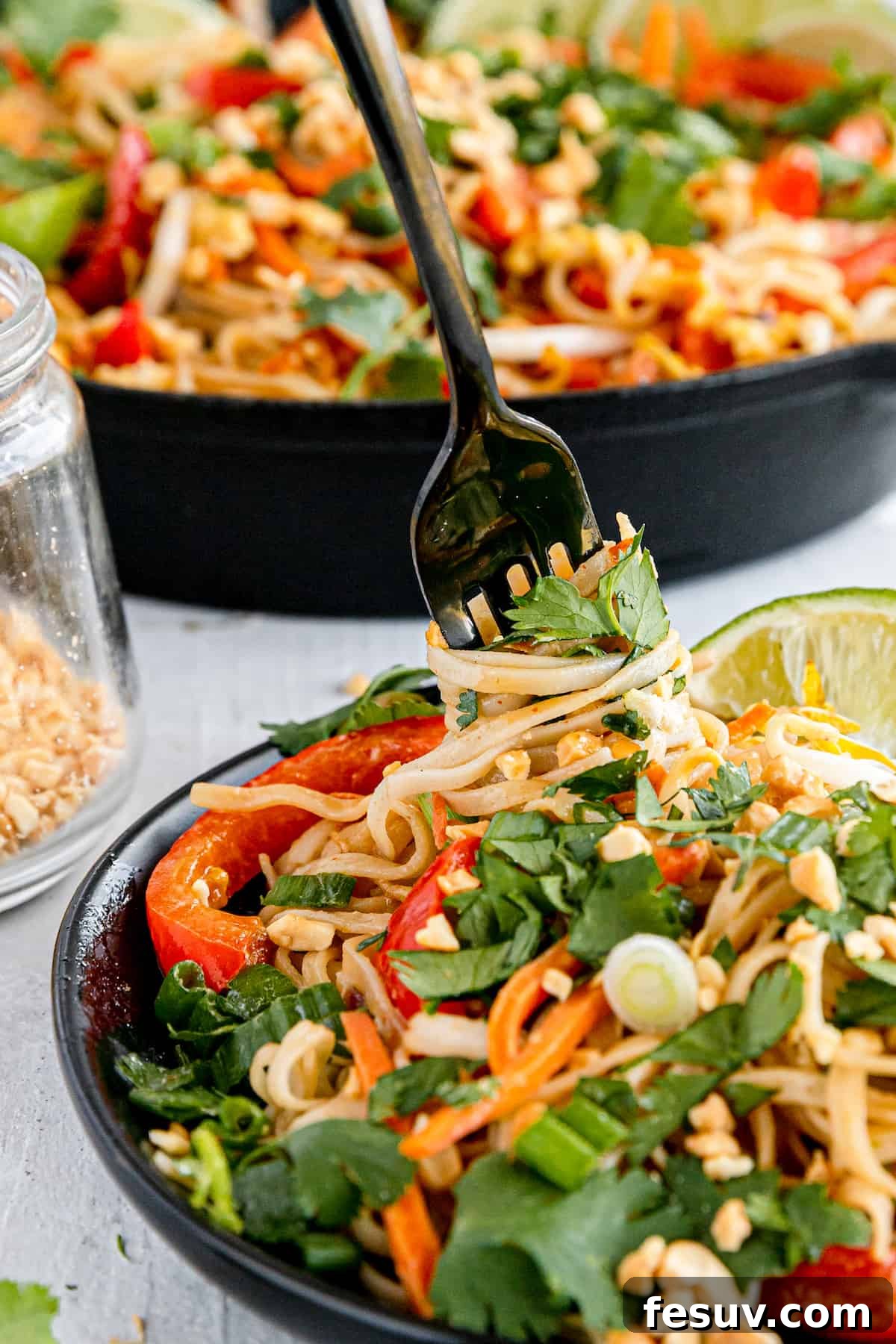
Creating an authentic and delicious homemade Pad Thai starts with selecting the right ingredients. This recipe prioritizes fresh, vibrant vegetables, versatile brown rice noodles, and a perfectly balanced sauce crafted from simple, yet impactful components. Don’t skip the garnishes—they add an essential layer of texture and freshness that truly elevates the dish.
For the Pad Thai Base:
- Rice Noodles: For that classic Pad Thai texture, we recommend 8 ounces of dried flat rice noodles. While any flat rice noodle will work, brown rice Pad Thai noodles offer a slightly nuttier flavor and a great chew. Look for them in the international aisle of your supermarket.
- Olive Oil: Essential for sautéing the aromatics and vegetables, ensuring they cook evenly and develop their full flavor.
- Garlic: Three cloves, minced or pressed, provide a pungent, aromatic foundation that is crucial for any good stir-fry. Fresh garlic makes all the difference here.
- Eggs: Two lightly beaten eggs are scrambled directly in the wok, adding richness, texture, and a delicate protein element to the noodles. They are a signature component of traditional Pad Thai.
- Carrots: One cup of shredded or matchstick carrots offers a touch of sweetness and a beautiful pop of orange. Pre-shredded carrots are a convenient time-saver, but fresh shredding works just as well.
- Bell Peppers: One large or two small red bell peppers, thinly sliced, contribute a sweet, vibrant crunch and beautiful color. Feel free to use other colors like yellow or orange for variety.
- Bean Sprouts: A crucial ingredient for that authentic Pad Thai crispness. One cup of fresh bean sprouts, rinsed and drained, adds a refreshing texture contrast.
- Green Onions: Two green onions, chopped or thinly sliced, provide a mild onion flavor. Reserve extra for garnish to add a final fresh touch.
- Cilantro: Half a cup of fresh chopped cilantro is incorporated into the dish, offering a bright, herbaceous note. Additional cilantro for garnish enhances its fresh appeal.
- Roasted Peanuts: Half a cup of dry roasted peanuts, crushed, provides a delightful crunch and nutty flavor. More crushed peanuts for garnish are highly recommended for that classic Pad Thai finish.
- Limes: Two limes, cut into wedges, are indispensable for serving. A squeeze of fresh lime juice just before eating brightens all the flavors and adds a zesty, essential tang.
Crafting the Signature Pad Thai Sauce: The Heart of the Flavor
The sauce is arguably the most critical component of Pad Thai, delivering its signature sweet, sour, and savory profile. Our homemade Pad Thai sauce combines traditional ingredients for a perfect balance:
- Fish Sauce: Three tablespoons of fish sauce are central to the umami depth and savory foundation of the dish. Don’t be deterred by its strong aroma—it transforms beautifully when cooked.
- Soy Sauce: Two tablespoons of soy sauce (or tamari for a gluten-free option, or coconut aminos for a soy-free alternative) add further saltiness and depth.
- Extra Virgin Olive Oil: Just one tablespoon helps to emulsify the sauce and add a touch of richness.
- Rice Wine Vinegar: Two tablespoons of this delicate vinegar provide a crucial tanginess and depth, balancing the sweeter notes in the sauce.
- Brown Sugar: Five tablespoons of brown sugar contribute the essential sweetness and a subtle molasses flavor. You can substitute with raw sugar, honey, or maple syrup if preferred.
- Peanut Butter: Two tablespoons of creamy peanut butter add a rich, nutty depth and helps to thicken the sauce, giving it a wonderfully smooth consistency.
- Sriracha Sauce: One tablespoon of sriracha offers a mild, pleasant heat. Adjust the amount to your preference – add more for a fiery kick, or omit for a milder dish.
Mastering Homemade Pad Thai: A Step-by-Step Guide
Making this authentic Thai noodle dish at home is surprisingly straightforward and incredibly rewarding. The process involves a few simple steps: preparing the noodles, whisking together the flavorful sauce, stir-frying the fresh ingredients, and then combining everything into a harmonious, mouth-watering meal.
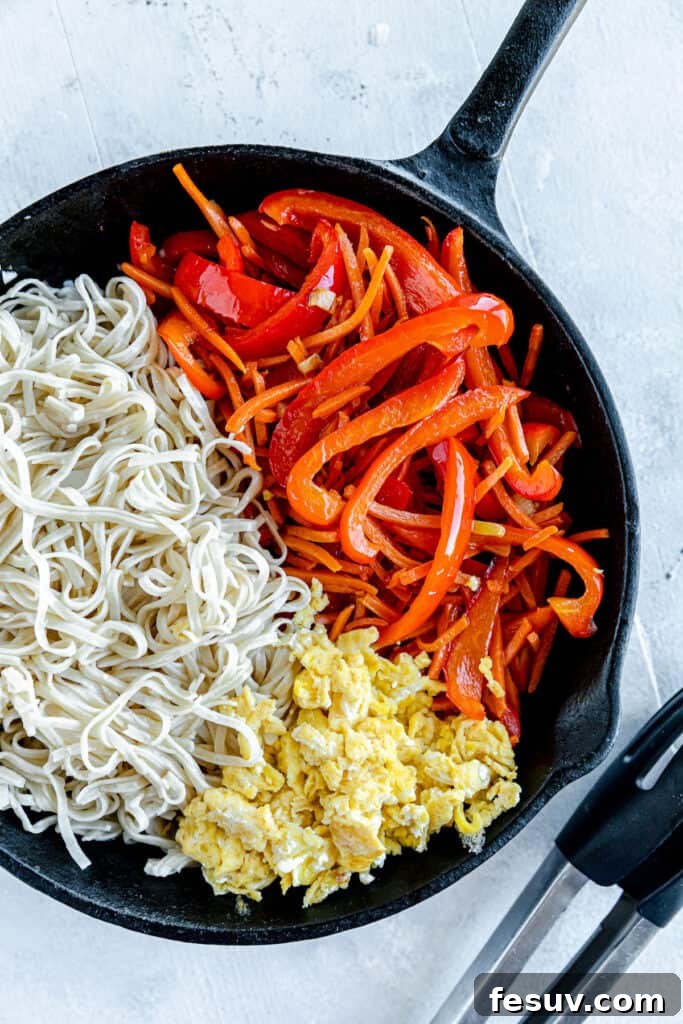
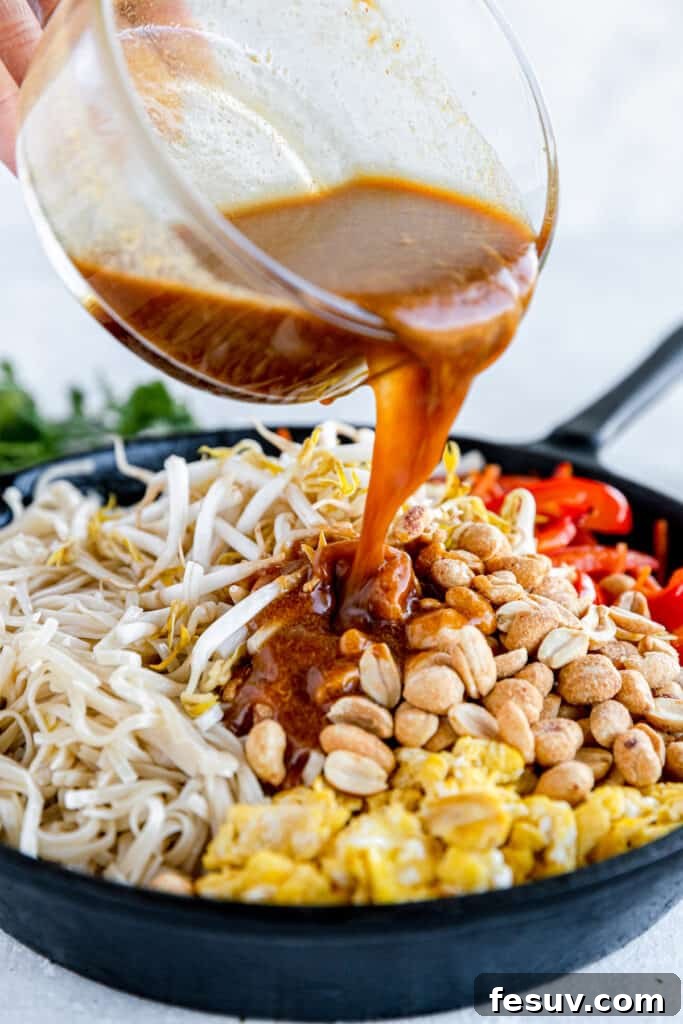
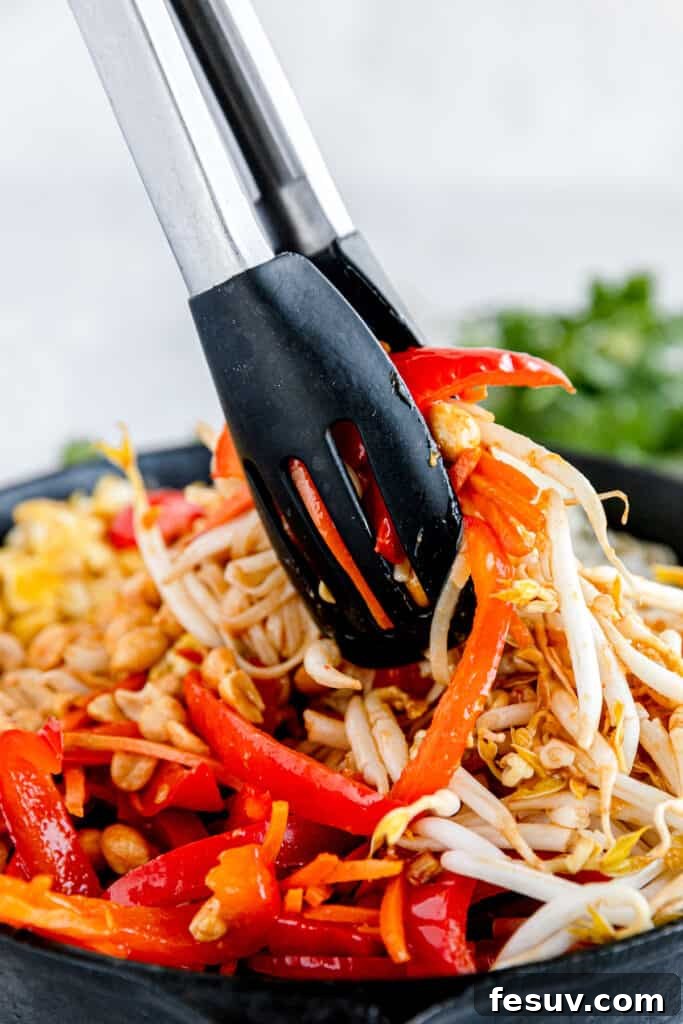
- Prepare the Rice Noodles: In a large pot, bring plenty of water to a rolling boil. Add your rice noodles and cook for precisely 6 minutes, or follow the package instructions for al dente. Overcooked noodles can become mushy, so be mindful of the timing. Once cooked, immediately drain them and rinse thoroughly under cold water to stop the cooking process and prevent sticking. Toss the rinsed noodles with a light drizzle of olive oil, then set them aside.
- Whisk the Pad Thai Sauce: In a small mixing bowl, combine all the sauce ingredients: fish sauce, soy sauce, extra virgin olive oil, rice wine vinegar, brown sugar, peanut butter, and sriracha. Whisk vigorously until the mixture is completely smooth and well combined. This ensures all the distinct flavors meld together perfectly. Set this flavorful sauce aside.
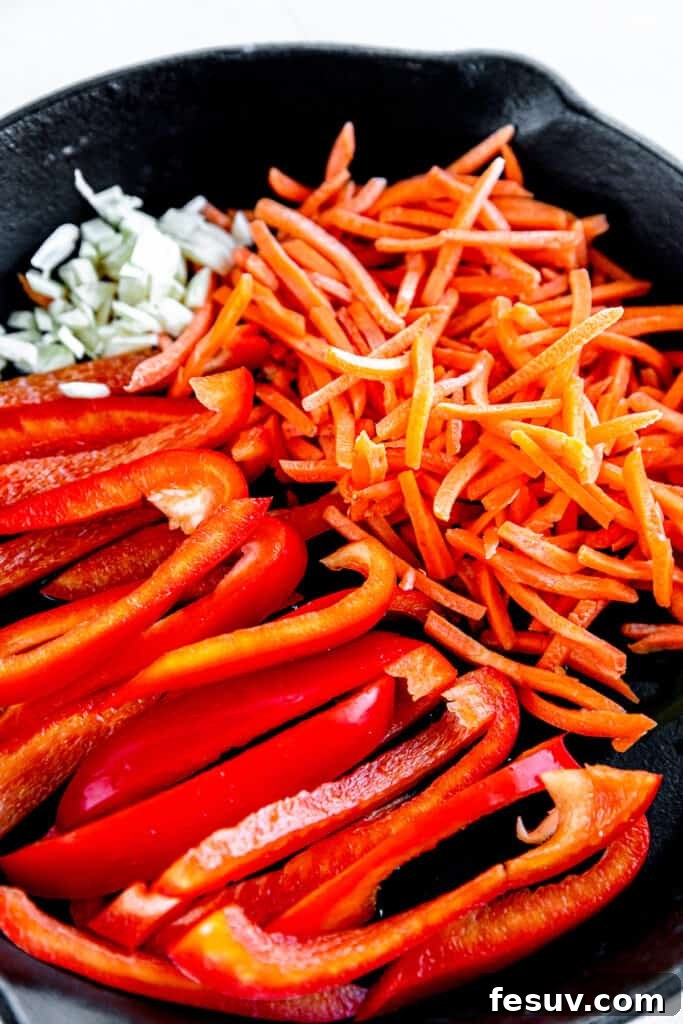
- Stir-Fry Vegetables & Scramble Eggs: Heat a large frying pan or a traditional wok over medium-high heat. Add 1 tablespoon of olive oil. Once shimmering, add the minced garlic, sliced red bell peppers, and shredded carrots. Sauté these vegetables for about 5 minutes, or until they become slightly tender-crisp. Remove the cooked vegetables from the pan and transfer them to a separate bowl or plate to avoid overcooking. Using the same pan, add another small drizzle of olive oil to the center. Pour in the lightly beaten eggs. Quickly scramble the eggs with a spatula, breaking them into smaller, bite-sized pieces as they cook. Once the eggs are mostly cooked through, reduce the heat to low to prepare for combining all ingredients.
- Combine All Ingredients: Return the cooked noodles and the sautéed vegetables to the pan with the scrambled eggs. Generously top the mixture with the crushed peanuts, fresh bean sprouts, chopped cilantro, and sliced green onions. Pour the entire prepared Pad Thai sauce evenly over the ingredients. Using tongs or two spatulas, gently toss everything together until the noodles and vegetables are thoroughly coated in the sauce. Allow the mixture to warm through slightly over the low heat, ensuring all flavors are beautifully integrated.
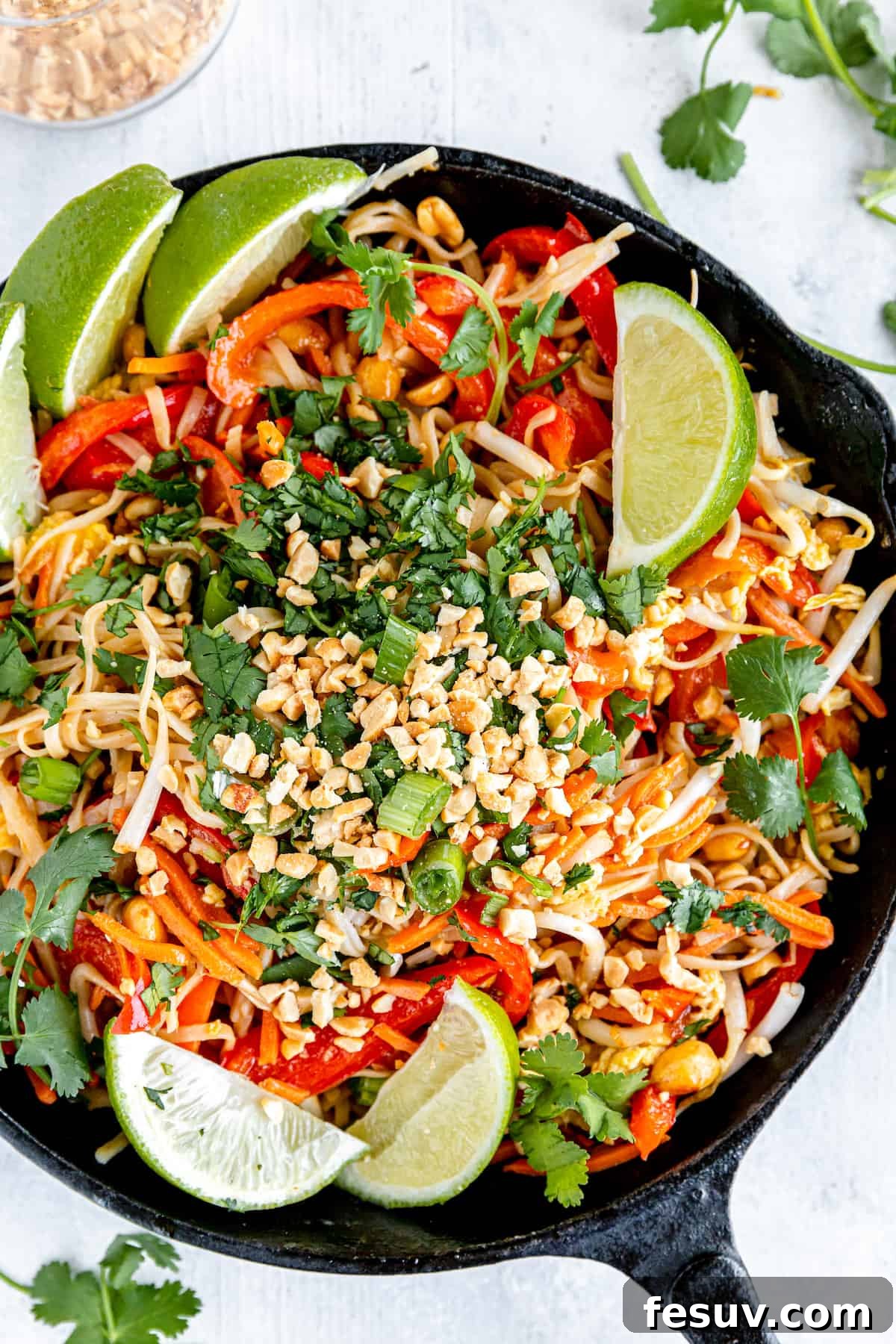
- Serve and Garnish: Remove the delicious Pad Thai from the heat immediately. Transfer to serving plates or bowls. For an extra flourish and burst of freshness, garnish with additional crushed peanuts, fresh cilantro, and green onions. Serve alongside fresh lime wedges, allowing each diner to squeeze a touch of zesty lime juice over their portion for that authentic, bright finish. Enjoy your homemade easy Pad Thai!
Pro Tips for Perfect Pad Thai Every Time
- Embrace the Fish Sauce: The backbone of any truly authentic Pad Thai sauce is fish sauce. When you first open the bottle, its aroma can be quite potent and, frankly, a little “funky.” But much like anchovies in a Caesar dressing, fish sauce undergoes a magical transformation when cooked, imparting an incredibly deep, savory, umami-rich flavor that is utterly essential. Trust the process – it’s worth it!
- Tailor the Heat: Our recipe calls for sriracha to give a pleasant mild warmth. If you prefer a milder Pad Thai, feel free to reduce or completely omit the sriracha sauce. To ensure the dish doesn’t lose its vibrant flavor profile, consider adding an extra clove of minced garlic or some finely chopped pimientos for a subtle, sweet heat without the intense spice.
- Boost Your Protein: While this Pad Thai is wonderfully satisfying on its own, it’s incredibly versatile if you want to add more protein. Stir in pre-cooked diced chicken, small cooked shrimp, pan-fried tofu, or even some cooked ground pork or turkey at the very end of the cooking process. Just ensure your chosen protein is thoroughly warmed through by tossing it gently with the noodles and sauce, being careful not to overcook delicate proteins like shrimp.
- Prevent Sticky Noodles: The key to perfect noodles is rinsing them after cooking. This removes excess starch, preventing them from clumping together. The drizzle of olive oil after rinsing further ensures they remain separate and easy to stir-fry.
- Don’t Overcrowd Your Pan: For a true stir-fry, it’s essential not to overcrowd your pan or wok. If you’re doubling the recipe or making a large batch, consider cooking the vegetables and eggs in two smaller batches to ensure everything gets a proper sear and cooks evenly, rather than steaming.
- Taste and Adjust: Before serving, always taste your Pad Thai! Thai cuisine is all about balance. If it needs a bit more tang, add a touch more lime juice or rice wine vinegar. If it’s too sour, a pinch more brown sugar can help. A dash more fish sauce can enhance the savory notes.
Delicious Serving Suggestions for Your Pad Thai Feast
This homemade Pad Thai is a complete and satisfying meal all on its own, offering a perfect balance of protein, vegetables, and carbohydrates. However, if you’re looking to create a more elaborate Asian-inspired feast, here are some fantastic additions:
- For a delightful seafood pairing, consider serving it alongside our easy Shrimp Tempura, offering a crispy contrast to the soft noodles.
- If you’re a fan of chicken, our tasty Crispy Honey Sesame Chicken makes an excellent companion, adding another layer of sweet and savory flavors.
- For a delicious appetizer, these Crab Rangoon Wontons are always a hit and perfectly complement the Thai flavors.
- A simple side of steamed or stir-fried green vegetables like broccoli or bok choy can add extra freshness and nutrition.
- Offer additional garnishes on the side, such as extra lime wedges, chili flakes, or a small dish of raw bean sprouts and fresh cilantro, allowing everyone to customize their plate.
Storing and Reheating Your Pad Thai Leftovers
Pad Thai makes for fantastic leftovers, perfect for a quick lunch or dinner the next day. Proper storage and reheating will ensure your dish remains delicious:
- To store any leftover Pad Thai, transfer it to airtight containers. These can be safely refrigerated for up to 4 days, preserving the flavors and textures.
- When you’re ready to reheat, the best method is to place the Pad Thai in a covered skillet or a non-stick pan over low heat. Cook gently, stirring occasionally, until the dish is completely heated through. Be careful not to overcook, as this can make the noodles mushy. A splash of water or a little extra sauce can help rejuvenate the dish if it seems dry. You can also microwave in short bursts, stirring in between, until hot.
Discover More Asian-Inspired Recipes
If you’ve enjoyed this Pad Thai recipe and are eager to explore more vibrant flavors from Asia, here are some other delicious dishes to inspire your culinary adventures:
- Slow Cooker Asian Glazed Chicken Drumsticks: Effortless and packed with savory-sweet flavor.
- Shrimp Tacos with Asian Cabbage Slaw: A fusion dish combining fresh seafood with crisp, zesty slaw.
- Chicken Potstickers: Perfect as an appetizer or a light meal, these dumplings are always a crowd-pleaser.
- Asian Cabbage Slaw: A refreshing and crunchy side dish that complements almost any meal.
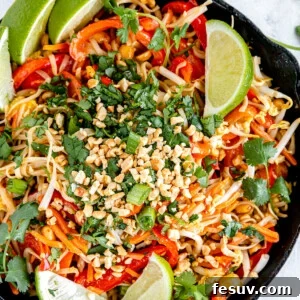
Easy Pad Thai
Katerina | Easy Weeknight Recipes
15 minutes
15 minutes
30 minutes
4
Ingredients
For the Pad Thai
- 8 ounces brown rice pad thai noodles, or flat rice noodles of choice
- 3 tablespoons extra virgin olive oil
- 3 cloves garlic, minced
- 2 eggs, lightly beaten
- 1 cup carrots, shredded
- 2 small red bell peppers, sliced
- 1 cup fresh bean sprouts
- 2 green onions, plus more for garnish
- ½ cup fresh cilantro, plus more for garnish
- ½ cup dry roasted peanuts, plus more to garnish
- 2 limes
For the Pad Thai Sauce
- 3 tablespoons fish sauce
- 2 tablespoons soy sauce, or coconut aminos
- 1 tablespoon extra virgin olive oil
- 2 tablespoons rice wine vinegar
- 5 tablespoons brown sugar
- 2 tablespoons peanut butter
- 1 tablespoon sriracha sauce, or add more to taste, if you like some spicy heat
Instructions
-
In a pot, bring water to a boil and cook the rice noodles for 6 minutes, or according to the package directions. Then, rinse them under cold water, add a drizzle of olive oil to prevent sticking, and set aside.
-
In a small bowl, mix all the sauce ingredients together until smooth. Set the sauce aside.
-
In a large frying pan or wok, drizzle 1 tablespoon of olive oil and heat on medium-high heat. Add the garlic, sliced red peppers, and carrots. Saute for 5 minutes, or until the veggies are slightly tender. Remove from the pan to a bowl or plate.
-
Using the same pan, add another drizzle of olive oil, and place beaten eggs in the center. With a spatula, scramble the eggs and break them up into smaller pieces as they cook. Turn the heat to low.
-
Add the cooked noodles and sauteed veggies back to the pan. Top with peanuts, sprouts, cilantro, and green onion. Pour the prepared sauce over the top, and toss gently to combine. Allow the noodles and other ingredients to warm up slightly.
-
Remove the pad Thai from the heat and garnish with additional peanuts, cilantro, and green onions. Serve with lime wedges.
Equipment
-
Measuring Cups and Spoons
-
Large Skillet
Nutrition
Carbohydrates: 35g |
Protein: 13g |
Fat: 30g |
Saturated Fat: 5g |
Polyunsaturated Fat: 6g |
Monounsaturated Fat: 18g |
Trans Fat: 1g |
Cholesterol: 82mg |
Sodium: 1641mg |
Potassium: 621mg |
Fiber: 6g |
Sugar: 23g |
Vitamin A: 7552IU |
Vitamin C: 96mg |
Calcium: 85mg |
Iron: 2mg
Nutritional info is an estimate and provided as courtesy. Values may vary according to the ingredients and tools used. Please use your preferred nutritional calculator for more detailed info.
Did you make a recipe? Leave a rating