
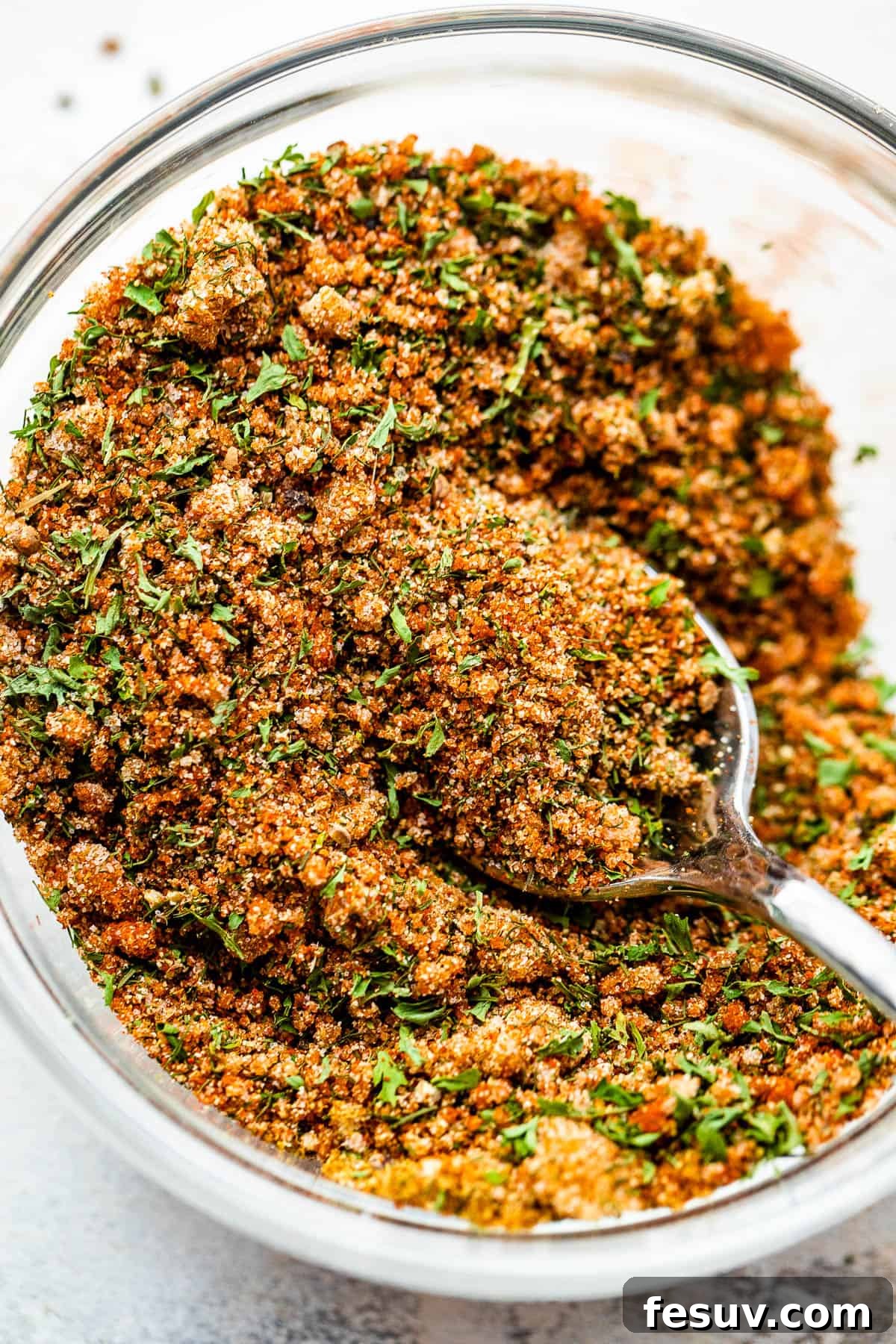
Homemade Seafood Seasoning: The Ultimate DIY Spice Blend
Transform your seafood dishes with this perfectly-balanced DIY Seafood Seasoning blend! Forget bland meals and store-bought packets; this versatile and incredibly flavorful mix is crafted from scratch, featuring an exquisite combination of garlic, dill, paprika, dry mustard, celery seed, parsley, and more. Preparing your own spice blends is not just about superior taste; it’s a step towards healthier eating, offering complete control over ingredients and avoiding artificial additives and unnecessary sodium.
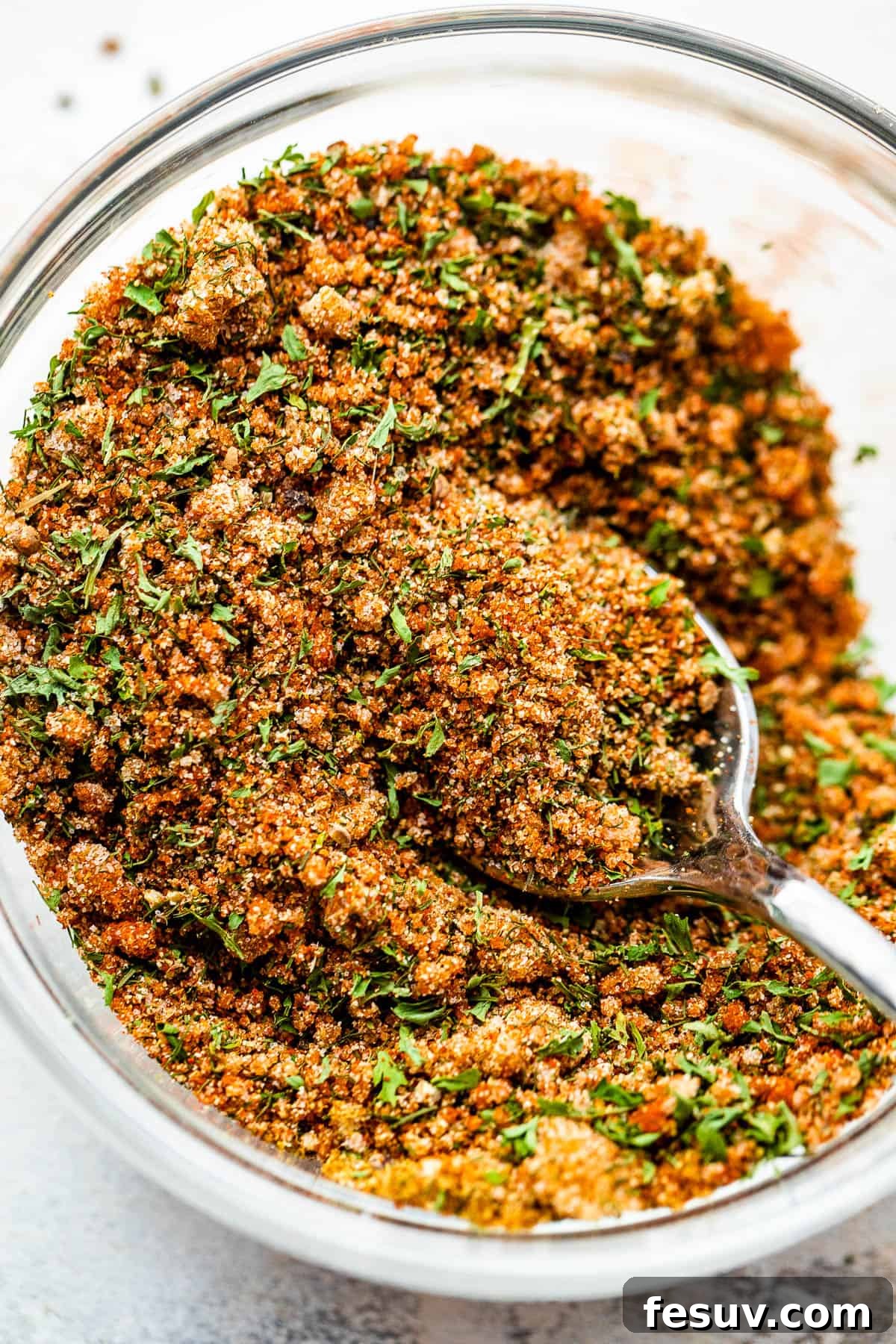
Why Craft Your Own Seafood Seasoning?
In a world full of convenient, pre-packaged solutions, it’s easy to reach for a store-bought seasoning mix. While tempting, these often come with hidden costs and ingredients that many prefer to avoid. My philosophy has always been to make everything from scratch whenever possible. It’s truly the simplest and most effective way to steer clear of artificial ingredients, preservatives, and excessive sodium – factors that are increasingly important for a wholesome lifestyle.
Commercial spice blends, though handy, can be surprisingly expensive. More importantly, they frequently contain anti-caking agents, artificial colors, and flavors that detract from the natural vibrancy of your food. By taking a few moments to measure and blend your own spices, you gain several incredible advantages:
- Unrivaled Freshness: Spices lose potency over time. Blending your own ensures you’re using fresh, vibrant ingredients, resulting in a more aromatic and flavorful seasoning.
- Ingredient Control: You dictate what goes into your blend. No hidden MSG, high fructose corn syrup, or anti-caking agents like silicon dioxide. This is particularly beneficial for those with allergies, dietary restrictions, or anyone simply looking for cleaner eating.
- Cost-Effectiveness: Buying individual spices in bulk and blending them yourself is significantly more economical in the long run than repeatedly purchasing small packets of pre-mixed seasonings.
- Customization: Tweak the ratios to suit your personal preference. Love a little extra heat? Add more cayenne. Prefer a touch more sweetness? Adjust the brown sugar. This blend becomes uniquely yours.
- Enhanced Flavor Profile: A homemade blend, made with attention to balance and quality ingredients, will always deliver a more complex, nuanced, and satisfying flavor than its mass-produced counterparts.
This easy homemade seafood seasoning is a prime example of these benefits. It strikes a perfect balance between sweet and savory, with a depth of flavor that will elevate any fish or seafood dish. Do yourself a favor and whip up a batch; it’ll become your go-to for everything from baked salmon to sautéed shrimp and even a flavorful boost for your tuna salad!
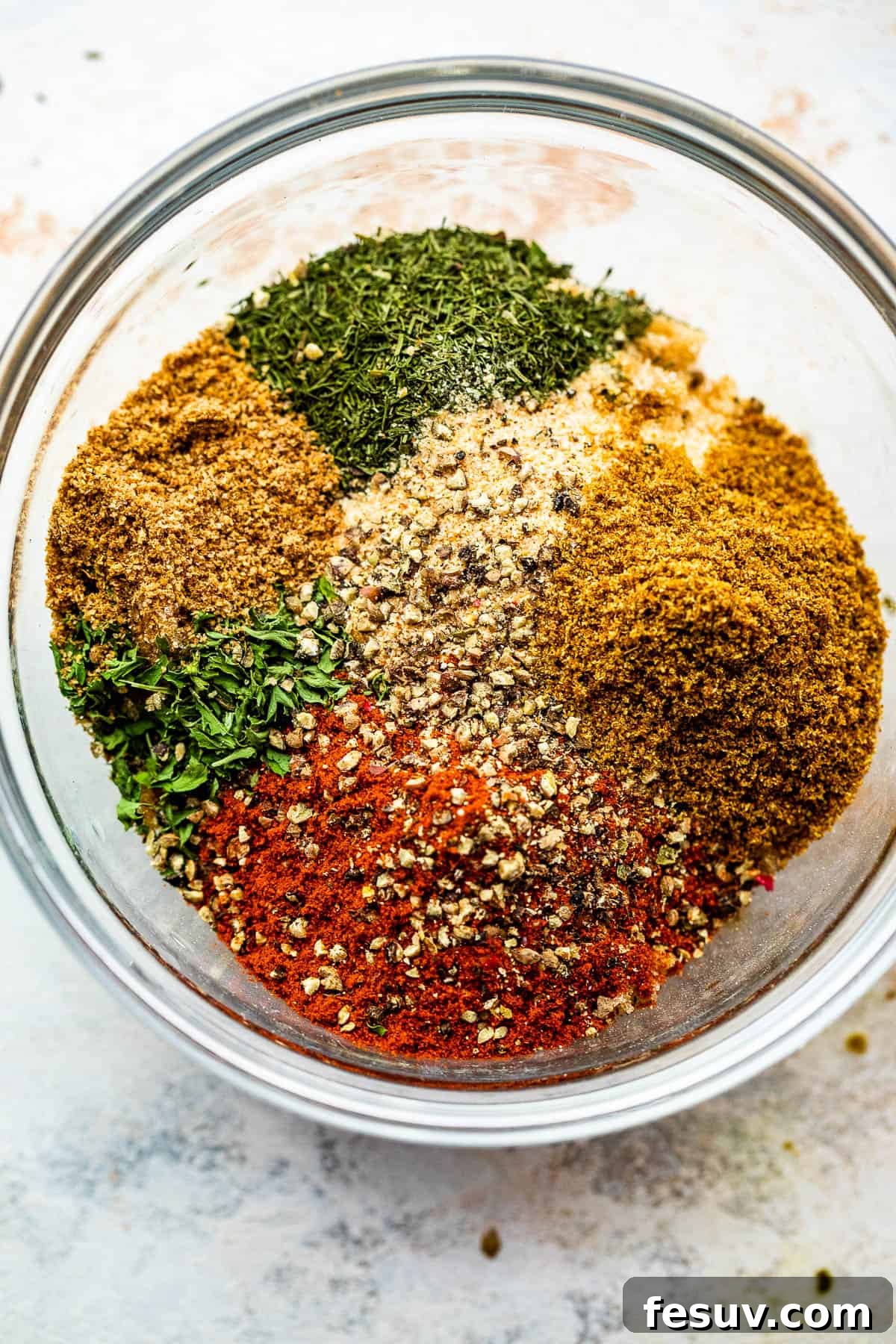
Essential Ingredients for the Best Seafood Seasoning
The beauty of this seasoning lies in its thoughtfully selected ingredients, each playing a crucial role in creating a harmonious and mouth-watering blend. This list isn’t just a shopping list; it’s a roadmap to gourmet flavor:
- Light Brown Sugar (3 tablespoons): Provides a delicate sweetness that balances the savory and spicy notes, enhancing the natural flavors of seafood without overpowering them. It also helps with caramelization when cooking.
- Kosher Salt (2 tablespoons): Essential for seasoning, kosher salt has a coarser texture and purer taste compared to table salt, allowing for better control over salinity.
- Dried Parsley (1 tablespoon): Offers a fresh, slightly peppery, and herbaceous undertone. Parsley is a classic complement to seafood, adding a touch of bright, verdant flavor.
- Dill Weed (1 tablespoon): Its distinctive fresh, slightly anise-like, and subtly tangy flavor is a hallmark of many delicious seafood preparations. It pairs exceptionally well with fish like salmon and cod.
- Garlic Powder (1 tablespoon): Delivers a potent, savory punch that is indispensable in almost any savory seasoning. It provides a deeper, more concentrated garlic flavor than fresh garlic, which is ideal for a dry rub.
- Paprika (1 tablespoon): Made from ground dried peppers, paprika contributes a sweet, earthy flavor and a beautiful reddish hue to the blend, enhancing the visual appeal of your seasoned dishes.
- Fresh Ground Black Pepper (½ tablespoon): A must-have for its pungent, sharp heat. Freshly ground pepper offers a significantly punchier and more aromatic kick than pre-ground varieties.
- Cayenne Pepper (1 teaspoon, or to taste): Introduces a warm, fiery kick. You can easily adjust the amount to tailor the spiciness level to your preference, from a gentle warmth to a vibrant heat.
- Celery Seed (1 teaspoon): This often-overlooked spice is a secret weapon in seafood seasonings. It imparts a unique, slightly bitter, and savory flavor reminiscent of celery, which is a perfect partner for almost all types of seafood.
- Dry Mustard Powder (1 teaspoon): Adds a sharp, pungent, and slightly tangy note that deepens the overall flavor profile and provides a subtle, warm spice. It’s a key ingredient in many classic seasoning blends.
- Ground Coriander (1 teaspoon): With its warm, citrusy, and slightly sweet aroma, coriander brings an elegant and fragrant herbal quality that rounds out the blend beautifully.
Tips for Sourcing and Storing Individual Spices
The quality of your final seasoning blend hinges on the freshness of your individual spices. Always opt for high-quality, whole spices when possible, grinding them just before blending for maximum flavor. Store individual spices in airtight containers in a cool, dark place, away from heat and direct sunlight, to maintain their potency for as long as possible. Whole spices generally last longer than ground spices, so if you have a spice grinder, consider buying whole cumin, coriander, and black peppercorns.
Crafting Your Homemade Seafood Seasoning: A Simple Guide
Making this seafood seasoning is incredibly straightforward, a task so simple it’s perfect for involving aspiring young chefs! Kids love measuring out ingredients and experiencing the different colors and fragrances of spices, making it a fun and educational kitchen activity.
- Measure and Combine: Gather all the specified ingredients. In a medium-sized bowl, meticulously measure out the light brown sugar, kosher salt, dried parsley, dill weed, garlic powder, paprika, fresh ground black pepper, cayenne pepper, celery seed, dry mustard powder, and ground coriander.
- Whisk Thoroughly: Once all ingredients are in the bowl, use a whisk to combine them. Whisk vigorously for at least 1-2 minutes, ensuring that every spice is evenly distributed and there are no clumps, especially with the brown sugar. You want a consistent, uniform blend that will deliver balanced flavor with every sprinkle.
- Inspect and Adjust: After whisking, take a moment to examine the blend. The color should be uniform, and you shouldn’t see large pockets of any single spice. Taste a tiny pinch (if you dare, it’s quite salty!) or simply smell it to ensure the aromas are well-integrated. This is your chance to make any final adjustments, like adding a little more cayenne for extra heat or another pinch of sugar for sweetness.
- Transfer and Store: Carefully transfer your freshly made seasoning to an airtight jar or container. A glass jar with a tight-fitting lid is ideal for preserving freshness. Store this culinary treasure in a cool, dry place, away from direct sunlight, for up to one year. Proper storage is key to maintaining its vibrant flavor and aroma.
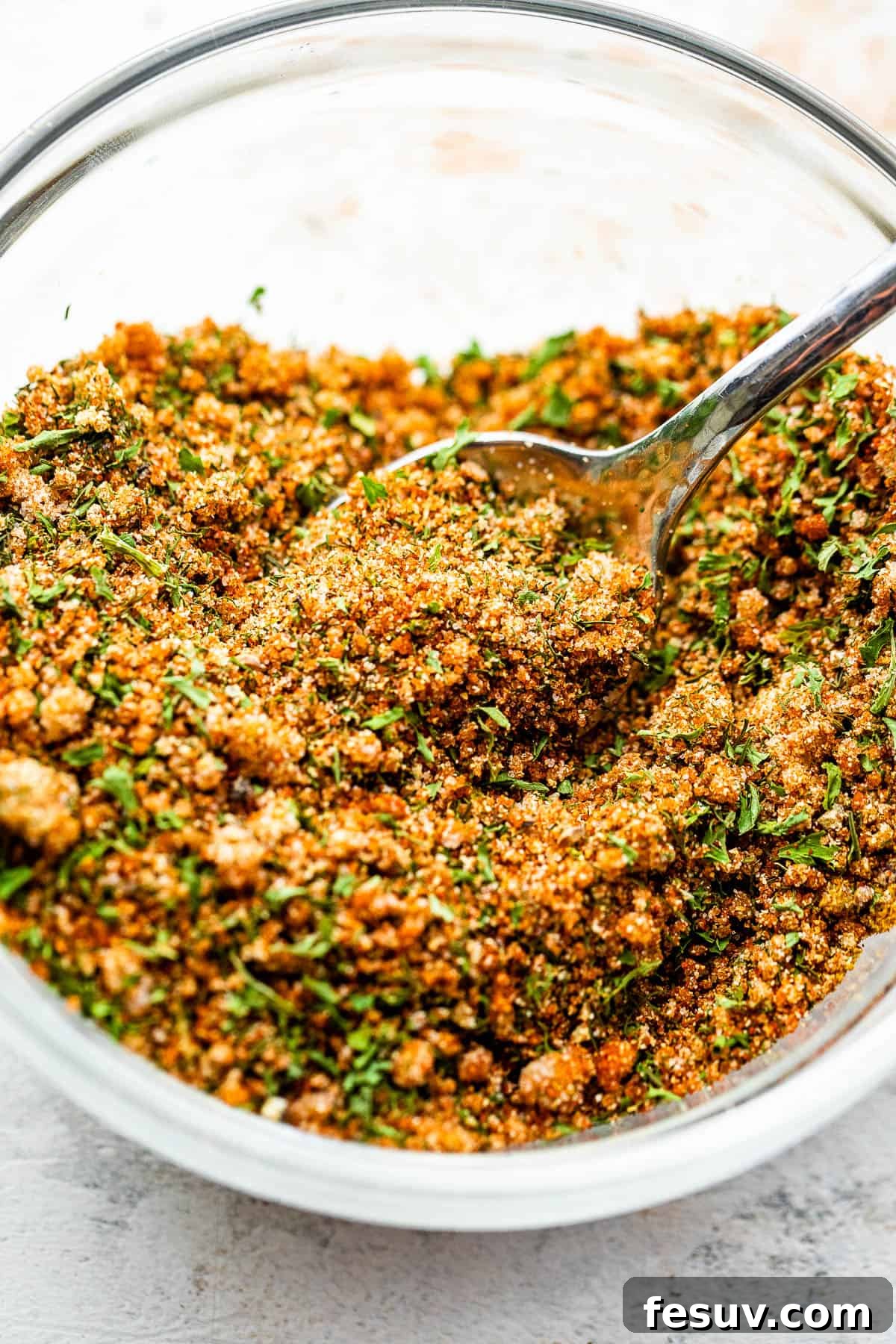
Versatile Uses for Your Homemade Spice Blend
This all-purpose seafood seasoning is incredibly versatile and goes far beyond just fish fillets. Its balanced flavor profile makes it a fantastic addition to a wide array of dishes. As a general guideline, aim for about 2 tablespoons of seasoning mix per pound of seafood, but always adjust to your personal taste.
- Classic Seafood Preparations:
- Fish Fillets: Sprinkle liberally on salmon, cod, tilapia, snapper, or halibut before baking, grilling, pan-searing, or broiling. It forms a delicious crust.
- Shrimp and Prawns: Toss raw shrimp with a drizzle of olive oil and this seasoning before sautéing, grilling, or roasting for an instant flavor boost.
- Scallops: A light dusting before searing creates a beautiful golden crust and enhances their sweet, delicate flavor.
- Crab and Lobster: Mix into melted butter for dipping, or sprinkle directly onto steamed or boiled crab legs and lobster tails. It’s fantastic for a crab boil!
- Oysters and Clams: A pinch added to steamed oysters or clams elevates their briny goodness.
- Beyond Seafood:
- Chicken: Rub it onto chicken breasts, thighs, or a whole chicken before roasting or grilling for a surprising and delicious twist.
- Vegetables: Toss with roasted vegetables like potatoes, zucchini, bell peppers, or corn on the cob for an herbaceous and savory side dish.
- Soups and Chowders: Stir a teaspoon or two into your favorite seafood chowder, bisque, or even a simple vegetable soup for added depth.
- Seafood Salads: Incorporate it into tuna salad, shrimp salad, or crab salad for a vibrant and zesty kick.
- Dips and Sauces: Mix into mayonnaise, sour cream, or Greek yogurt for a quick and flavorful dip for chips, crackers, or fresh veggies. It’s excellent in a tartar sauce or aioli.
- Marinades: Combine with olive oil, lemon juice, and a touch of white wine or vinegar to create a quick marinade for fish or chicken.
- Creative Applications:
- Popcorn Seasoning: For a savory snack with a unique twist.
- Bloody Mary Rim: Blend with a little extra salt for an unforgettable glass rim.
Storage Best Practices for Long-Lasting Freshness
Proper storage is crucial for maintaining the potency and flavor of your homemade seafood seasoning. While convenient spice packets often contain anti-caking agents to extend shelf life, your fresh, natural blend benefits from careful storage:
- Airtight Containers are Key: My preferred method is using simple glass jars with plastic lids. While attractive, metal lids can sometimes rust over time, especially with frequent use and exposure to any residual moisture. Glass jars create an excellent seal, protecting your spices from air and humidity.
- Cool, Dark, and Dry: Always store your seasoning in a cool, dark pantry or cabinet. Exposure to heat, light, and moisture are the biggest enemies of spice freshness, causing them to lose their aroma and flavor quickly. Avoid storing it near the stove or above the dishwasher.
- Shelf Life: Stored correctly, this homemade seafood seasoning will retain its peak flavor for up to one year. While it won’t necessarily “go bad” after a year, its aromatic qualities will diminish. To check for freshness, simply give it a sniff – if the aroma is faint, it’s time to make a new batch.
- Consider Freezing for Extended Life: For even longer storage, especially if you make a very large batch, you can store your seasoning in an airtight freezer-safe bag or container in the freezer. This can extend its shelf life by several months, though it’s rarely necessary given how quickly you’ll likely use it!

Frequently Asked Questions About Seafood Seasoning
Q: What is the best seasoning for seafood?
A: The “best” seasoning is subjective and depends on your personal preference. However, many classic seafood seasonings, like this homemade blend, feature a combination of savory, salty, and slightly sweet notes, often with a hint of citrus or herbaceousness. Ingredients like garlic, paprika, dill, celery seed, and cayenne are universally loved for their ability to complement seafood without overpowering its delicate flavor.
Q: Can I use fresh herbs instead of dried?
A: For a dry seasoning blend that is meant for long-term storage and use as a rub, dried herbs are essential. Fresh herbs contain moisture, which would lead to spoilage and clumping. If you’re preparing a specific dish and want to add fresh herbs, it’s best to incorporate them separately during the cooking process, rather than into the dry blend.
Q: How long does homemade seafood seasoning last?
A: When stored in an airtight container in a cool, dark, and dry place, this seasoning blend will maintain its potency and flavor for up to one year. Beyond that, the flavors may start to diminish, but it will generally still be safe to use.
Q: Is this seafood seasoning spicy?
A: This recipe includes 1 teaspoon of cayenne pepper, which provides a moderate level of heat. You can easily adjust this amount to your liking. For a milder blend, reduce the cayenne to ½ teaspoon or omit it entirely. For extra kick, increase it to 1 ½ or 2 teaspoons.
Q: Can I make this low-sodium?
A: Absolutely! One of the biggest advantages of making your own seasoning is controlling the sodium content. Simply reduce the amount of kosher salt, or omit it entirely and season with salt separately when cooking. The other spices will still provide plenty of flavor.
Seafood Seasoning Recipe
A perfectly-balanced blend of herbs and spices for seafood, featuring garlic, dill, paprika, dry mustard, celery seed, parsley, and more. Elevate your home cooking with this essential, versatile mix.
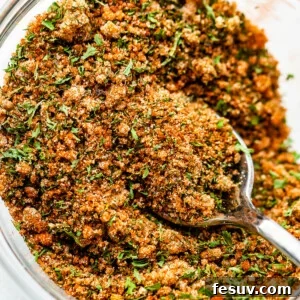
Seafood Seasoning
by Katerina | Easy Weeknight Recipes
Prep Time: 5 minutes
Total Time: 10 minutes
Yields: 12 servings (approx. 12 tablespoons)
Rating: 5 out of 5 stars based on 6 votes
Ingredients
- 3 tablespoons light brown sugar
- 2 tablespoons kosher salt
- 1 tablespoon dried parsley
- 1 tablespoon dill weed
- 1 tablespoon garlic powder
- 1 tablespoon paprika
- ½ tablespoon fresh ground black pepper
- 1 teaspoon cayenne pepper, or to taste
- 1 teaspoon celery seed
- 1 teaspoon dry mustard powder
- 1 teaspoon ground coriander
Instructions
- Combine all the ingredients in a bowl and whisk until thoroughly combined.
- Transfer to an airtight jar or container.
- Store for up to 1 year in a cool, dry place.
- Use about 2 tablespoons of seafood seasoning for every 1 pound of seafood/fish. Adjust to taste.
Notes
This recipe yields approximately 12 tablespoons of seasoning blend. Double or triple the recipe as needed to make a larger batch for extended use.
Nutrition (estimated per 1 tablespoon serving)
- Calories: 19 kcal
- Carbohydrates: 4g
- Protein: 0.4g
- Fat: 0.3g
- Saturated Fat: 0.03g
- Polyunsaturated Fat: 0.1g
- Monounsaturated Fat: 0.1g
- Sodium: 1166mg
- Potassium: 43mg
- Fiber: 1g
- Sugar: 3g
- Vitamin A: 364 IU
- Vitamin C: 0.5mg
- Calcium: 13mg
- Iron: 0.4mg
Nutritional information is an estimate and provided as a courtesy. Values may vary according to the exact ingredients and tools used. Please use your preferred nutritional calculator for more detailed information.
I hope you found this comprehensive guide to creating your own homemade seafood seasoning helpful and inspiring. By taking a few simple steps, you can unlock a world of fresh, customizable, and healthier flavors that will make every seafood meal a triumph. Enjoy experimenting and seasoning your way to deliciousness!