
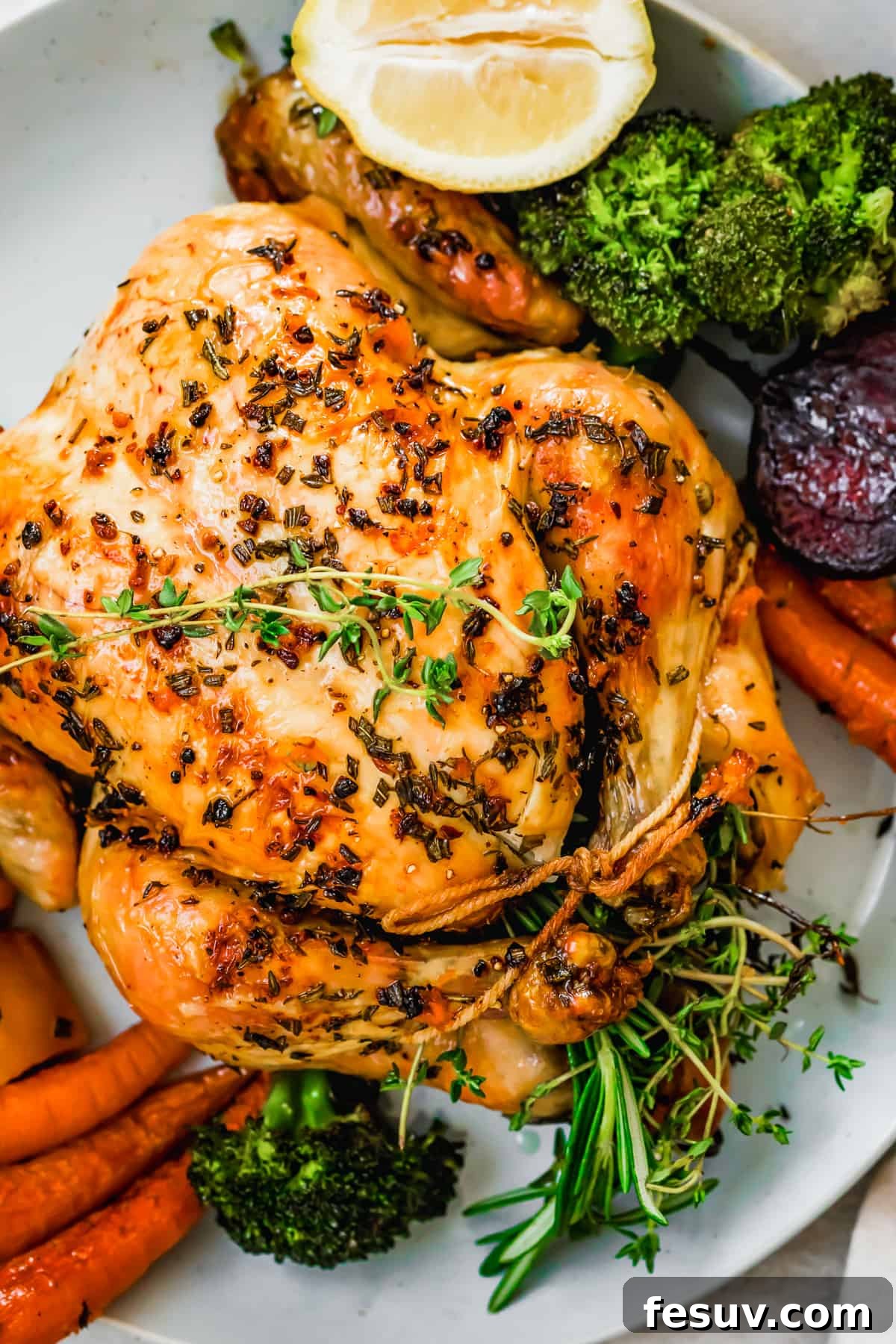
Welcome to the ultimate guide for preparing a truly spectacular and effortlessly nourishing dinner: Juicy Whole Roast Chicken with Fall Vegetables. This dish is more than just a meal; it’s a culinary experience that brings warmth, comfort, and exquisite flavors to your table. Imagine a perfectly golden-brown chicken, infused with aromatic rosemary and thyme, surrounded by a vibrant medley of seasonal vegetables, all roasted to tender perfection. This classic, old-fashioned comfort food is designed for both ease and deliciousness, making it a perfect centerpiece for any gathering, or a comforting weeknight treat that feels anything but ordinary.
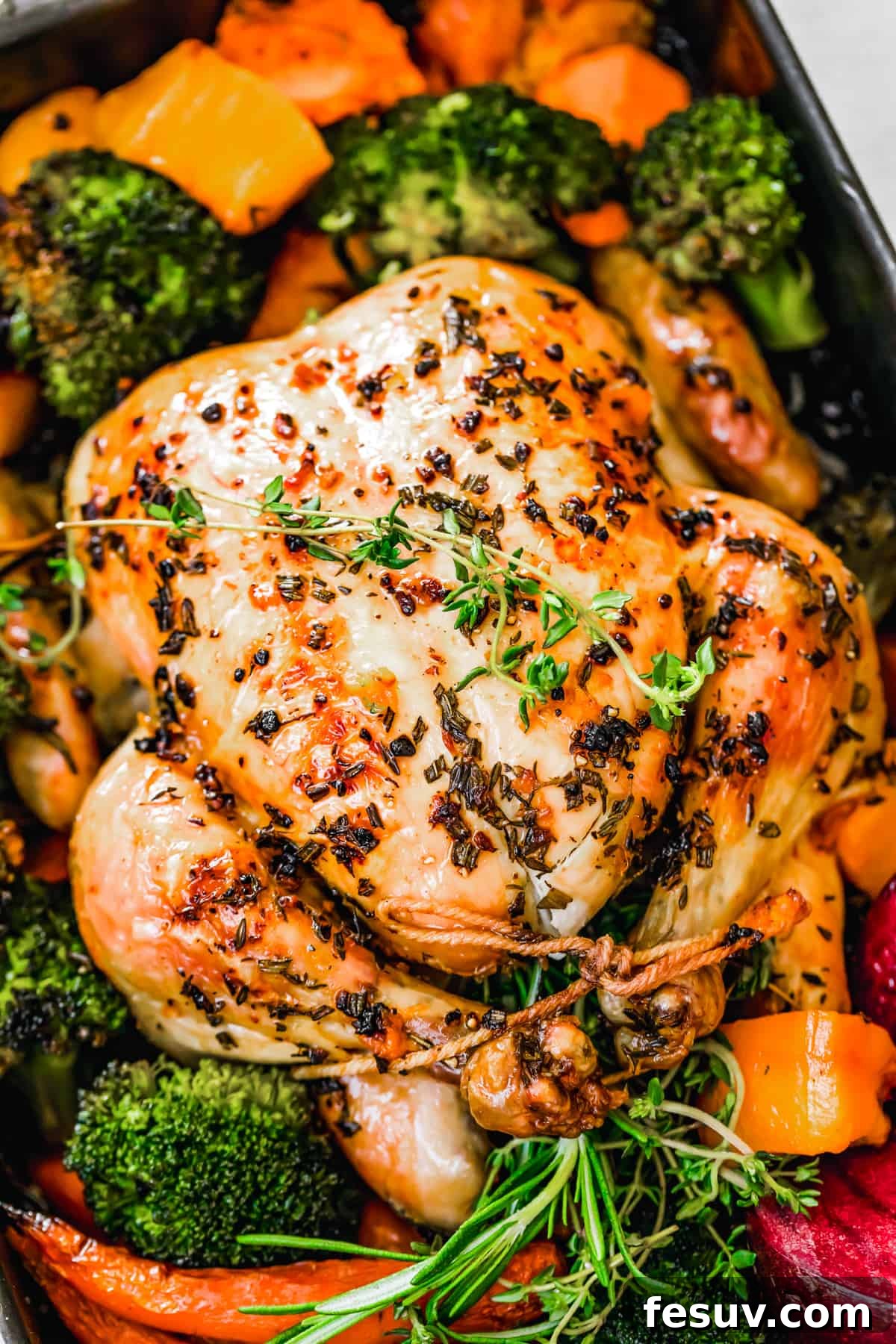
The Secret to a Perfectly Roasted Whole Chicken with Seasonal Vegetables
There’s a unique tranquility and satisfaction that comes with roasting a whole chicken. It’s a timeless culinary tradition, often evoking memories of family dinners and cozy evenings. My favorite method for roasting a whole chicken is deceptively simple, yet it consistently yields spectacular results: a succulent, flavorful bird with beautifully crisp skin, accompanied by tender, caramelized vegetables that soak up all the delicious pan drippings. This recipe focuses on maximizing flavor with minimal fuss, transforming basic ingredients into an unforgettable meal.
Why This Roast Chicken Recipe is a Must-Try
This recipe stands out for its simplicity and the incredible depth of flavor it achieves with just a few core ingredients and a straightforward cooking technique. The magic lies in the harmonious blend of robust herbs like rosemary and thyme, pungent garlic, bright lemon, and rich olive oil, all working together to elevate a humble chicken and an array of autumn vegetables. The two-stage roasting method ensures a consistently juicy interior and a wonderfully crisp exterior, making this dish a guaranteed crowd-pleaser. It’s a perfect example of how classic techniques can produce truly amazing, satisfying food that’s both beautiful to look at and delightful to eat.
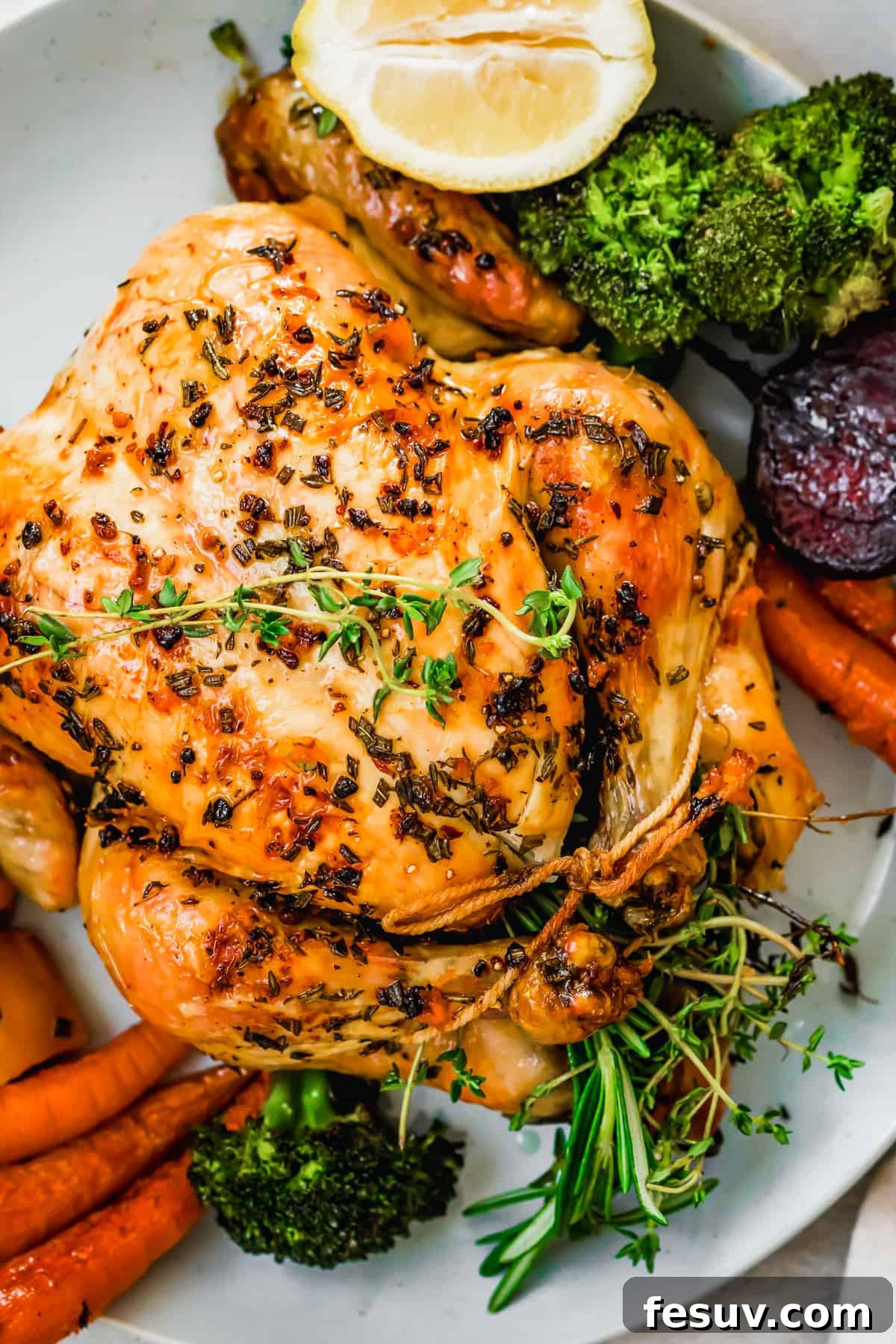
Mastering the Ingredients for Your Autumn Roast
The success of this dish hinges on fresh, high-quality ingredients. Each component plays a vital role in building the layered flavors and textures that make this roast chicken so irresistible. Here’s a closer look at what you’ll need and some tips for selection:
For the Star of the Show: The Whole Chicken
- One Whole Chicken: I typically opt for a chicken weighing between 3 and 3 ½ pounds. This size is ideal for even cooking and serving 4-6 people. If you choose a larger bird, remember to adjust your cooking times accordingly to ensure it cooks through without drying out. Always aim for a fresh, good-quality chicken for the best flavor and texture.
- Lemon: Half a lemon, cut into quarters, is tucked into the chicken cavity. As the chicken roasts, the lemon’s bright, citrusy essence infuses the meat, adding a subtle tang that complements the savory herbs beautifully.
- Fresh Thyme and Rosemary: You’ll need two sprigs of each for the cavity, along with ½ teaspoon of finely chopped thyme and ½ teaspoon of finely chopped rosemary for the exterior rub. Fresh herbs are non-negotiable here; their vibrant, earthy aromas are key to the chicken’s signature flavor.
- Fresh Garlic: Two whole cloves go inside the cavity, contributing a mellow, roasted garlic flavor. An additional minced clove is incorporated into the olive oil rub for a more direct and potent garlicky kick on the skin.
- Olive Oil: Approximately 3 tablespoons of good quality olive oil are essential. It acts as a binder for the seasonings, helps create that coveted crispy skin, and assists in browning. Extra-virgin, virgin, or even a light olive oil will work wonderfully.
- Salt and Pepper: Simple, yet crucial. These fundamental seasonings bring out all the natural flavors of the chicken and vegetables. Don’t be shy with them – they’re key to a well-seasoned roast.
For the Colorful and Flavorful Fall Vegetables
- Seasonal Veggies: Embrace the bounty of autumn with half a pound each of baby beets (halved), butternut squash (peeled and cubed), sweet potato (peeled and cubed), baby carrots, and broccoli florets. This selection offers a fantastic range of colors, textures, and sweet-savory notes. Feel free to substitute with other root vegetables like parsnips, regular potatoes, or even Brussels sprouts.
- Onion: One large onion, peeled and quartered, adds a sweet, pungent base note to the roasted vegetables, caramelizing beautifully in the pan drippings.
- Olive Oil: Around 3 tablespoons of olive oil are used to coat the vegetables, ensuring they roast evenly, become tender, and develop a lovely golden crust.
- Lemon Juice: The other half of your lemon can be juiced over the vegetables before roasting. This touch of acidity brightens their flavors and helps them caramelize.
- Salt and Pepper: As with the chicken, generous seasoning is vital for delicious roasted vegetables.
- Rosemary: Three sprigs of fresh rosemary are scattered amongst the vegetables, releasing their fragrant oils as they roast, infusing the entire dish with a delightful, herbaceous aroma.
Your Step-by-Step Guide to Roasting a Whole Chicken
Follow these straightforward steps to achieve a perfectly roasted chicken with tender, flavorful vegetables every time:
- Prepare Your Oven and Chicken: Begin by preheating your oven to a high temperature of 450°F (230°C). While the oven heats, remove your whole chicken from its packaging and pat it thoroughly dry with paper towels. This crucial step helps ensure crispy skin.
- Infuse with Aromatics: Gently place the lemon quarters, two sprigs of fresh thyme, two sprigs of fresh rosemary, and two whole garlic cloves into the chicken’s cavity. These aromatics will slowly release their flavors into the chicken as it roasts, adding incredible depth.
- Secure and Shape: Using kitchen twine, tie the chicken legs together. This helps the chicken cook more evenly and maintain a neat shape. Tuck the wing tips underneath the chicken body to prevent them from burning.
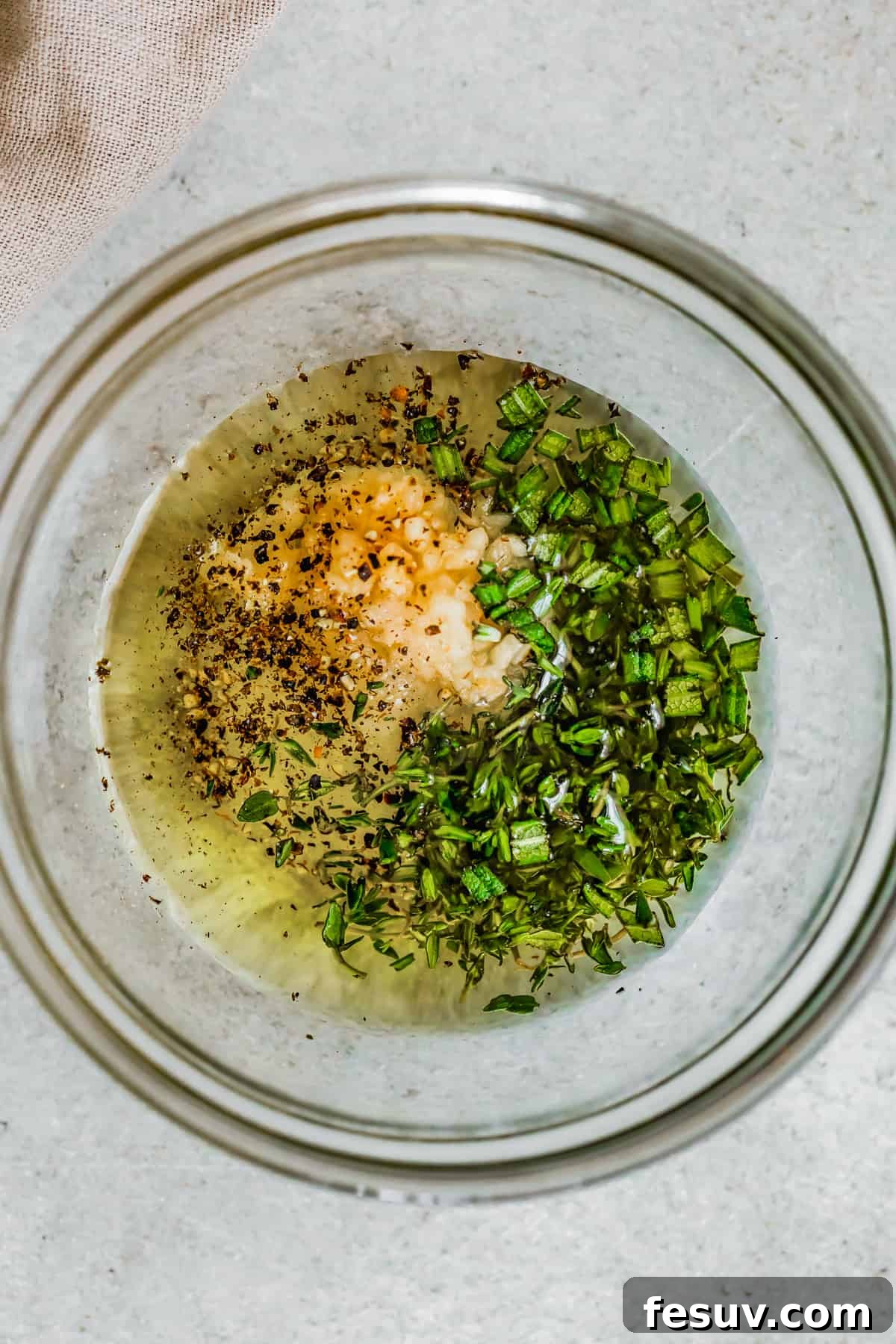
- Craft the Herb and Oil Rub: In a small bowl, combine 3 tablespoons of olive oil, ½ teaspoon of chopped fresh thyme, ½ teaspoon of chopped fresh rosemary, 1 minced garlic clove, ½ teaspoon of salt, and ¼ teaspoon of cracked black pepper. Mix these ingredients well until a fragrant paste forms.
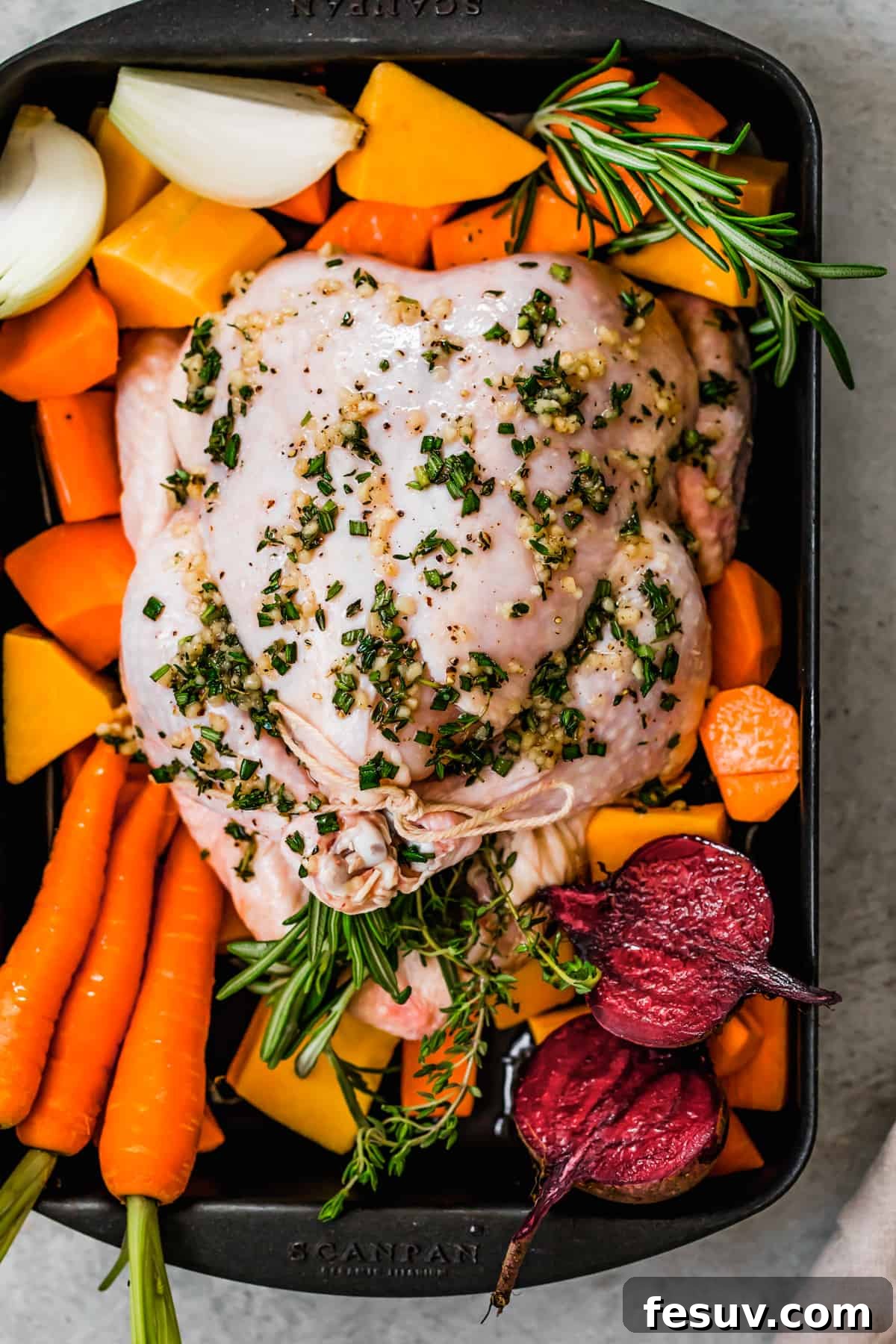
- Season the Chicken: Generously rub the olive oil and herb mixture all over the chicken skin. Ensure an even coating, as this rub is essential for both flavor and crispness. Place the prepared chicken in a large, sturdy roasting pan.
- Prepare and Arrange the Vegetables: In a large mixing bowl, combine all your prepared vegetables—baby beets, butternut squash, sweet potato, baby carrots, and quartered onion. *Hold off on the broccoli florets for now.* Drizzle with 2 tablespoons of olive oil, the juice of ½ a lemon, ½ teaspoon of salt, and ½ teaspoon of cracked black pepper. Toss thoroughly until all vegetables are well coated.
- Surround the Chicken: Arrange the seasoned vegetables in the roasting pan around the chicken. Distribute them evenly, ensuring they have some space to roast rather than steam. Top the vegetables with the three remaining sprigs of fresh rosemary.
- The Initial High-Heat Roast: Place the roasting pan into your preheated 450°F (230°C) oven and roast for 12 minutes. This initial burst of high heat is key to kickstarting the browning process and rendering the fat, leading to crispy skin.
- Lower Heat for Thorough Cooking: After 12 minutes, reduce the oven temperature to 350°F (175°C) and continue roasting for approximately 45 more minutes. During this phase, the chicken will cook through gently, and the vegetables will soften and caramelize.
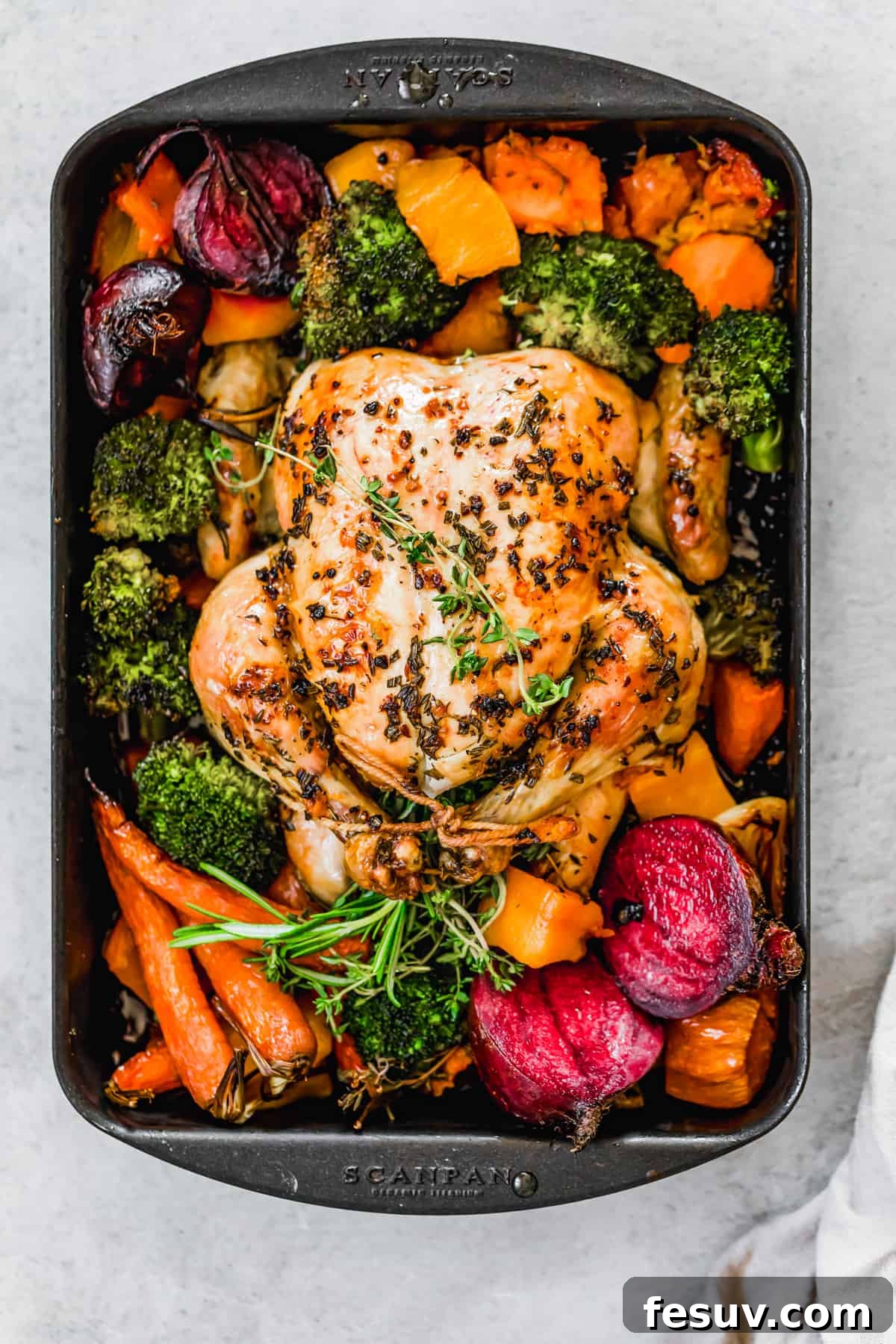
- Add Broccoli and Finish Roasting: Remove the pan from the oven. Carefully add the broccoli florets to the pan, tossing them lightly with the pan drippings. Return the pan to the oven and continue roasting for another 20 minutes, or until the chicken is beautifully golden-brown, cooked through, and the vegetables are tender and slightly caramelized.
- Rest and Serve: Once the chicken reaches its target internal temperature (see below), remove the pan from the oven. Tent the chicken loosely with foil and let it rest for 10-15 minutes before carving. This resting period allows the juices to redistribute, ensuring a truly moist and flavorful bird. Enjoy!
Understanding Roast Chicken Cooking Times
Determining the exact cooking time for a whole chicken can vary based on its size and your oven’s calibration. Our method starts with a crucial 12 minutes at 450°F (230°C), followed by roasting at 350°F (175°C) for approximately 20 minutes per pound of chicken. For a 3-3.5 lb chicken, this equates to roughly 60-70 minutes total at the lower temperature, plus the initial high-heat roast.
However, the most reliable way to ensure a perfectly cooked and safe chicken is to use a meat thermometer. Insert the thermometer into the thickest part of the chicken thigh, being careful not to touch the bone. The chicken is fully cooked when its **internal temperature reaches 165°F (74°C)**. Always trust your thermometer over estimated cook times.
Expert Tips for the Best Whole Roast Chicken
Elevate your roast chicken game with these simple yet effective tips:
Achieving That Perfect Golden-Brown and Crispy Skin
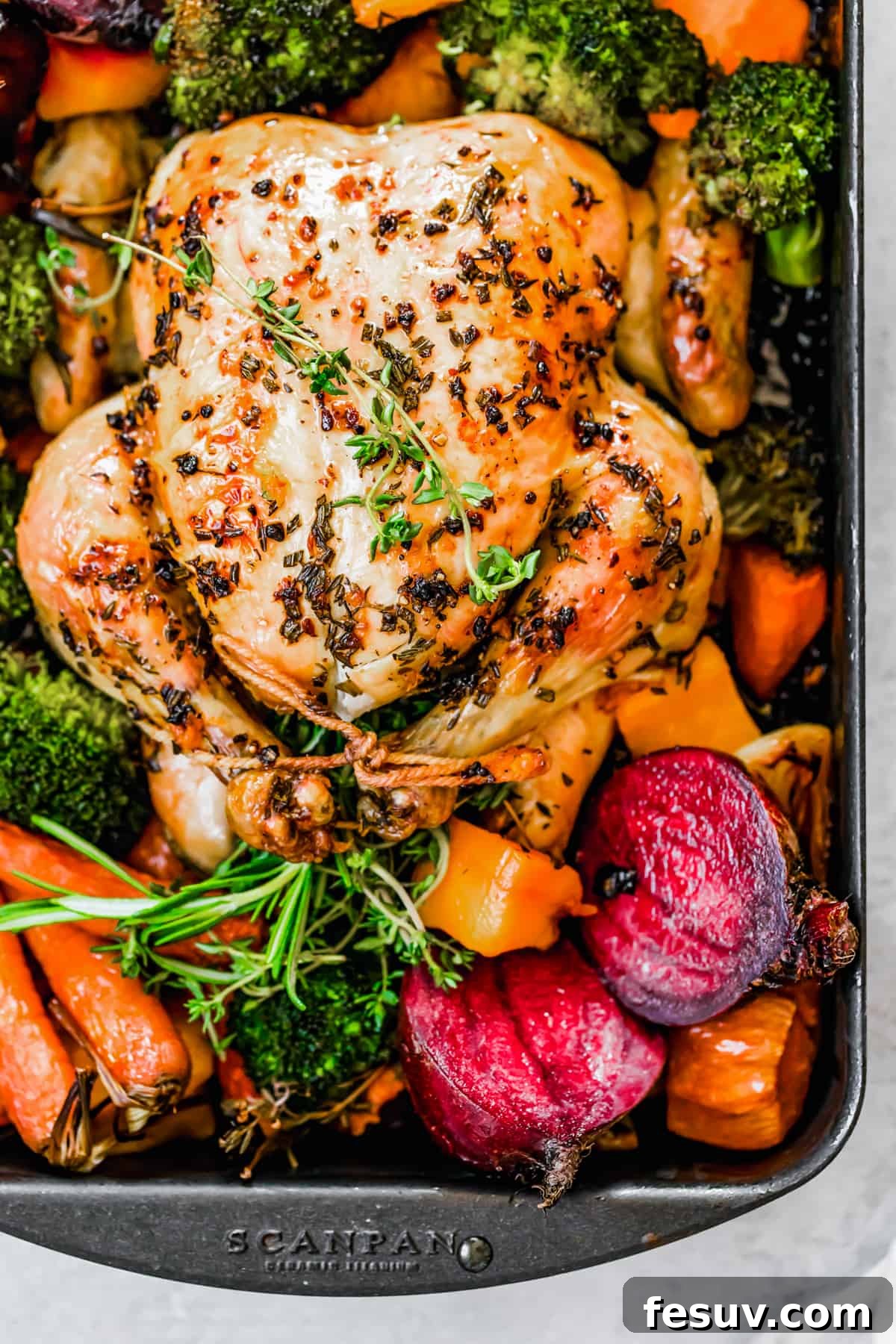
The initial high-heat blast at 450°F (230°C) is your secret weapon for crispy skin. This searing step helps to rapidly brown the chicken’s exterior, lock in moisture, and render the fat beneath the skin, creating that irresistible crunch. Think of it like searing a steak before slow-roasting; it develops a deep, rich flavor and texture on the surface.
To ensure maximum crispiness, it’s vital that the chicken skin is as dry as possible before applying the rub. Patting it thoroughly with paper towels removes surface moisture, which is the enemy of crispiness. For an even crispier result, you can even refrigerate the chicken uncovered for a few hours (or overnight) after patting it dry and applying the rub. This air-dries the skin further.
Ensuring Moist and Tender Meat
While crispy skin is a delight, dry chicken is a disappointment. Tucking aromatics like lemon, garlic, and herbs into the cavity not only infuses flavor but also creates steam, contributing to a moist interior. Tying the legs together (trussing) also helps the chicken cook more evenly, preventing the breast from drying out before the thighs are done.
The resting period after roasting is just as important as the cooking itself. As the chicken rests, the juices that have migrated to the center during cooking redistribute throughout the meat, resulting in a much juicier and more tender bite. Don’t skip this crucial step!
Perfect Pairings: Serving Suggestions
This magnificent roast chicken with fall vegetables is a meal in itself, but a few thoughtful additions can make it even more special:
- Seasonal Apple Cider: There’s a natural harmony between roasted chicken and the sweet-tart notes of apples. Serve a seasonal, non-alcoholic apple cider for a family-friendly option, or consider a fizzy hard cider for adults. For a festive touch, my Slow Cooker Apple Cider Punch is always a hit.
- Artisan Bread: A crusty loaf of homemade bread is perfect for soaking up all the savory pan juices. A quick and easy recipe like my Spinach and Feta No-Yeast Bread adds a lovely savory element and can even be sliced and toasted to create an incredible garlic bread side.
- Creamy Mashed Potatoes: A classic pairing, creamy mashed potatoes provide a comforting base that perfectly complements the rich chicken and tender vegetables.
- Fresh Green Salad: A simple, vibrant green salad with a light vinaigrette can offer a refreshing contrast to the richness of the roast.
- Classic Gravy: Don’t let those flavorful pan drippings go to waste! A quick homemade gravy made from the drippings adds an extra layer of savory goodness.
- Warm Apple Pie: Conclude your comforting meal with a classic dessert. You truly can’t go wrong with apples and chicken! A hearty slice of my Dutch Apple Slab Pie is the ideal sweet ending to this cozy menu.
Storing and Reheating Leftovers
Leftover roast chicken and vegetables are a delight and can be easily transformed into new meals. Proper storage ensures they remain delicious and safe to eat:
- To Refrigerate: Once cooled, remove any remaining chicken meat from the bones. Store the deboned chicken, along with the roasted vegetables and any pan juices, in separate airtight containers. This keeps them fresh and prevents flavor transfer. Leftovers will keep well in the refrigerator for up to 2-3 days.
- To Reheat: For best results, place the chicken pieces (skin-side-up, if applicable) and vegetables in an ovenproof dish. Add a splash of broth or water to keep things moist, then cover loosely with foil. Bake at 350°F (175°C) until heated through, typically 15-25 minutes depending on the amount. Be careful not to overcook, as this can dry out the chicken. You can also reheat smaller portions in the microwave, though the skin won’t be as crispy.
Can I Freeze Extra Roast Chicken and Vegetables?
Absolutely! Freezing is a great way to preserve extra portions for future quick meals. Just be aware that the texture of some vegetables may change slightly after freezing and thawing.
- Freezing Chicken: Remove chicken from the bones and shred or chop it. Place the deboned chicken, ideally with some pan juices to maintain moisture, into freezer bags or airtight containers. Press out as much air as possible from freezer bags before sealing. If freezing with a lot of liquid, leave about an inch of headroom in the container for expansion.
- Freezing Vegetables: Freeze roasted vegetables separately in freezer bags or airtight containers. Flash-freezing them on a baking sheet before transferring to a bag can prevent them from clumping together.
- Storage Duration: Properly stored, frozen leftovers will keep for up to 1 month.
- Thawing and Reheating: Thaw frozen chicken and vegetables overnight in the refrigerator. Reheat as you would refrigerated leftovers, using the oven for best results to retain as much texture as possible.
Frequently Asked Questions About Roasting Chicken
Here are answers to some common questions you might have about making this delicious roast chicken:
What if my chicken is larger or smaller than 3-3.5 pounds?
Adjust your roasting time. A general rule is 20 minutes per pound at 350°F (175°C) after the initial high-heat roast. Always use a meat thermometer to ensure the thickest part of the thigh reaches 165°F (74°C).
Can I use other herbs?
Certainly! While rosemary and thyme are classic, feel free to experiment with other fresh herbs like sage, oregano, or marjoram. A combination can be wonderful.
What if my chicken skin is browning too quickly?
If you notice the skin getting too dark before the chicken is cooked through, you can lightly “tent” the chicken with aluminum foil. This will shield the skin from direct heat, allowing the inside to cook without the outside burning. Make sure it’s a loose tent to allow steam to escape and prevent soggy skin.
Can I make gravy from the pan drippings?
Yes, and it’s highly recommended! After removing the chicken and vegetables from the pan, scrape up any browned bits (fond) from the bottom. You can make a simple gravy by whisking in a tablespoon or two of flour or cornstarch into the drippings, then slowly adding chicken broth or water, simmering until thickened. Season to taste.
Can I add different vegetables?
Absolutely! This recipe is very versatile. Feel free to use other sturdy root vegetables like parsnips, regular potatoes (Yukon Gold or Russet), or even Brussels sprouts. Just ensure they are cut into similar-sized pieces for even cooking.
Do I need to baste the chicken?
With this recipe, basting is not strictly necessary. The olive oil rub and the two-stage roasting method are designed to keep the chicken moist and the skin crispy. Frequent basting can actually cool down the oven and potentially make the skin less crisp.
Roast Chicken with Fall Vegetables
by Katerina | Easy Weeknight Recipes
A simple and savory recipe for a whole roast chicken seasoned with olive oil, herbs, and garlic, surrounded by colorful fall vegetables, perfect for a comforting dinner.
Prep Time: 15 minutes
Cook Time: 1 hour 15 minutes
Resting Time: 10 minutes
Total Time: 1 hour 40 minutes
Servings: 6
Ingredients
For The Chicken
- 1 whole chicken (approx. 3 pounds)
- 1/2 lemon, quartered
- 2 sprigs fresh thyme
- 3 cloves garlic (2 whole, 1 minced)
- 2 sprigs fresh rosemary
- 3 tablespoons olive oil
- 1/2 tablespoon chopped fresh thyme
- 1/2 tablespoon chopped fresh rosemary
- 1/2 teaspoon salt
- 1/4 teaspoon cracked black pepper
For The Vegetables
- 3 baby beet roots, halved
- 1/2 pound butternut squash, peeled and cubed
- 1/2 pound baby carrots
- 1/2 pound sweet potato, peeled and cubed
- 1/2 pound broccoli florets
- 1 onion, quartered
- 2 tablespoons olive oil
- Juice of 1/2 a lemon
- 1/2 teaspoon salt
- 1/2 teaspoon cracked black pepper
- 3 sprigs fresh rosemary
Instructions
- Preheat oven to 450˚F (230°C).
- Using paper towels, pat dry the chicken thoroughly.
- Place the lemon quarters, thyme sprigs, rosemary sprigs, and garlic cloves in the chicken cavity.
- Tie the legs together with kitchen twine and tuck the wings under the chicken.
- In a small bowl, combine 3 tablespoons of olive oil, 1/2 tablespoon chopped thyme, 1/2 tablespoon chopped rosemary, 1 minced garlic clove, 1/2 teaspoon salt, and 1/4 teaspoon pepper.
- Rub the oil mixture all over the chicken skin to coat evenly.
- Place the prepared chicken in a large roasting pan.
- In a large mixing bowl, place all the prepared vegetables except the broccoli florets.
- Add 2 tablespoons of olive oil, the lemon juice, 1/2 teaspoon salt, and 1/2 teaspoon pepper, and mix until well combined.
- Arrange the vegetables in the roasting pan around the prepared chicken.
- Top with the 3 sprigs of rosemary and roast for 12 minutes.
- Reduce oven temperature to 350˚F (175°C) and continue to roast for 45 minutes.
- Remove the pan from the oven, add the broccoli florets, and roast for a further 20 minutes, or until the chicken is golden, cooked through, and vegetables are tender. Chicken is cooked through when the internal temperature registers 165˚F (74°C) in the thickest part of the thigh (not touching bone).
- Remove from oven and let rest for 10-15 minutes before carving and serving.
Nutrition
Nutritional information is an estimate and provided as a courtesy. Values may vary according to the ingredients and tools used. Please use your preferred nutritional calculator for more detailed info.
- Calories: 437 kcal
- Carbohydrates: 23g
- Protein: 23g
- Fat: 28g
- Saturated Fat: 6g
- Cholesterol: 82mg
- Sodium: 546mg
- Potassium: 787mg
- Fiber: 5g
- Sugar: 7g
- Vitamin A: 15025 IU
- Vitamin C: 55mg
- Calcium: 86mg
- Iron: 3mg
We hope you love this incredible Juicy Whole Roast Chicken with Fall Vegetables as much as we do. It’s a dish that embodies comfort, flavor, and the beauty of seasonal cooking. Happy roasting!